 Save to Pinterest
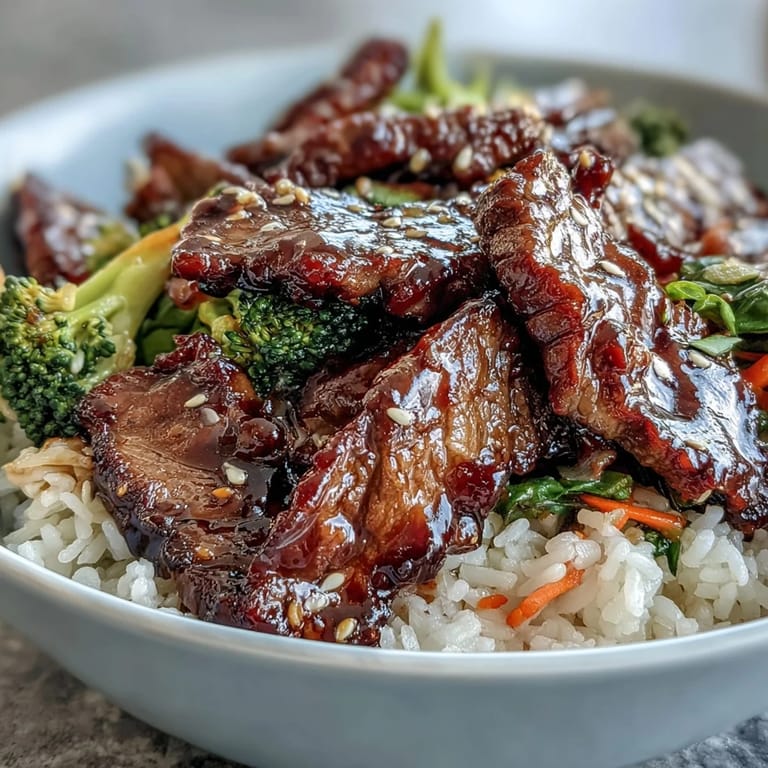
 My friend Marcus called me one Tuesday asking if I could teach him how to make teriyaki beef bowl because he'd been ordering it constantly from the place downstairs and his wallet was staging a protest. We ended up making it together in my tiny kitchen, and honestly, the smell of that sauce reducing on the stove—ginger and garlic hitting the heat—made me understand why he couldn't stop ordering it. Turns out homemade is better, cheaper, and somehow feels like a little victory each time you make it.
I made this for a small dinner party last spring, and watching everyone's faces light up when they tasted it reminded me why I love cooking. There's something about a bowl of rice piled high with tender beef and that shimmering sauce that just makes people happy, no pretense needed.
Ingredients
- Flank steak or sirloin, thinly sliced (500 g): The thinness matters here—it cooks fast and absorbs the glaze beautifully, so ask your butcher to slice it for you if they will, or pop the beef in the freezer for 30 minutes before slicing to make it easier to cut against the grain.
- Cornstarch (1 tbsp for beef, 1 tbsp for slurry): This is your secret for getting that restaurant-quality glossy coating and thickened sauce that clings instead of pooling at the bottom of the bowl.
- Vegetable oil (1 tbsp): Use something neutral with a high smoke point—you need the heat to sear that beef properly without the oil breaking down.
- Soy sauce (80 ml): The backbone of your sauce, but taste as you go because brands vary wildly in saltiness.
- Mirin (60 ml): This sweet rice wine creates that signature teriyaki sweetness and shine; don't skip it or your sauce will taste flat and one-dimensional.
- Honey or brown sugar (2 tbsp): Adds depth and helps the sauce caramelize slightly when it hits the hot beef.
- Rice vinegar (2 tbsp): The brightness that keeps the sauce from being cloying and rounds out all those deep flavors.
- Garlic and ginger (2 cloves and 1 tsp): Fresh is non-negotiable here—the minced garlic and grated ginger infuse the sauce with a liveliness that powdered versions simply cannot deliver.
- Mixed vegetables (carrot, bell pepper, broccoli, spring onions): Choose vegetables that hold their shape through cooking; this isn't the dish for mushy zucchini or tomatoes.
- Cooked rice (2 cups): Fluffy white or nutty brown rice works equally well, but make sure it's not cold or the contrast will throw off the whole experience.
- Sesame seeds and extra spring onions (for garnish): These aren't just decoration—the sesame adds a subtle nuttiness and the fresh onion cuts through the richness.
Tired of Takeout? 🥡
Get 10 meals you can make faster than delivery arrives. Seriously.
One email. No spam. Unsubscribe anytime.
Instructions
- Make your teriyaki sauce first:
- In a saucepan over medium heat, combine soy sauce, mirin, honey, rice vinegar, minced garlic, and grated ginger, letting it come to a gentle simmer so you can actually smell what's happening. Whisk in your cornstarch slurry and watch the sauce go from thin and sloshy to glossy and coating the back of a spoon in about 2–3 minutes, then set it aside to cool slightly.
- Prep and coat your beef:
- Toss your thinly sliced beef with a tablespoon of cornstarch until every piece is lightly dusted—this gives you that silky texture and helps the meat brown beautifully. This step takes two minutes but makes a real difference in how the final dish comes together.
- Sear the beef until golden:
- Get your oil screaming hot in a large skillet or wok over high heat, then add the beef in a single layer and resist the urge to stir immediately—let it sit for a minute so it develops color. After 2–3 minutes of stirring, it should be browned on the outside and just cooked through inside, then scoop it onto a plate.
- Stir-fry your vegetables:
- In the same skillet, add your carrot, bell pepper, and broccoli, stirring constantly for 3–4 minutes until they're tender but still have a slight snap to them. You're looking for that golden-brown color on the vegetables and a smell that makes your kitchen feel like an actual restaurant.
- Bring it all together:
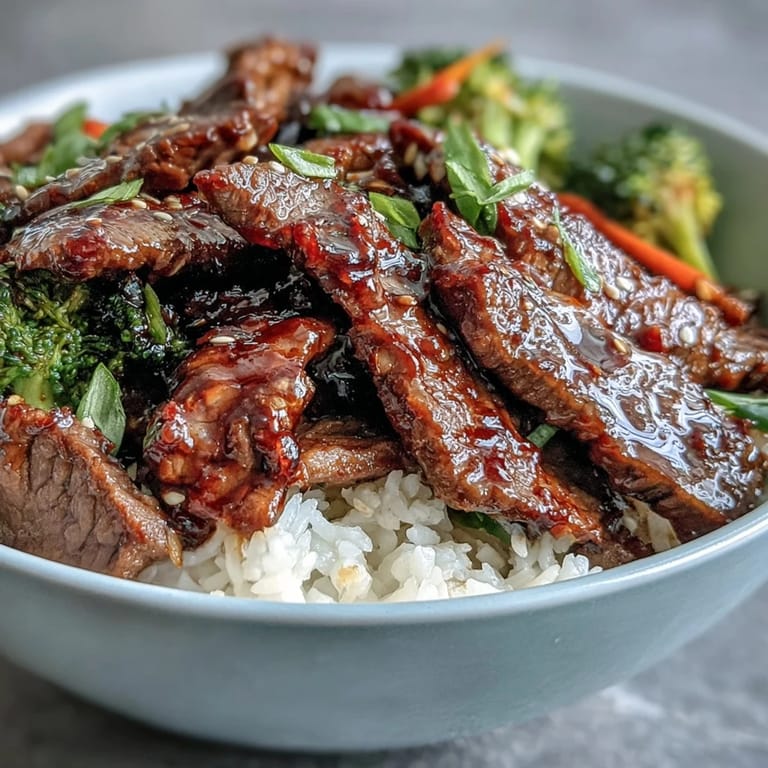
- Return the beef to the skillet, pour that gorgeous teriyaki sauce over everything, and toss for just one minute so the sauce coats every piece evenly and heats through. This is when the magic happens—the beef picks up that glossy finish and the vegetables shine.
- Plate and finish:
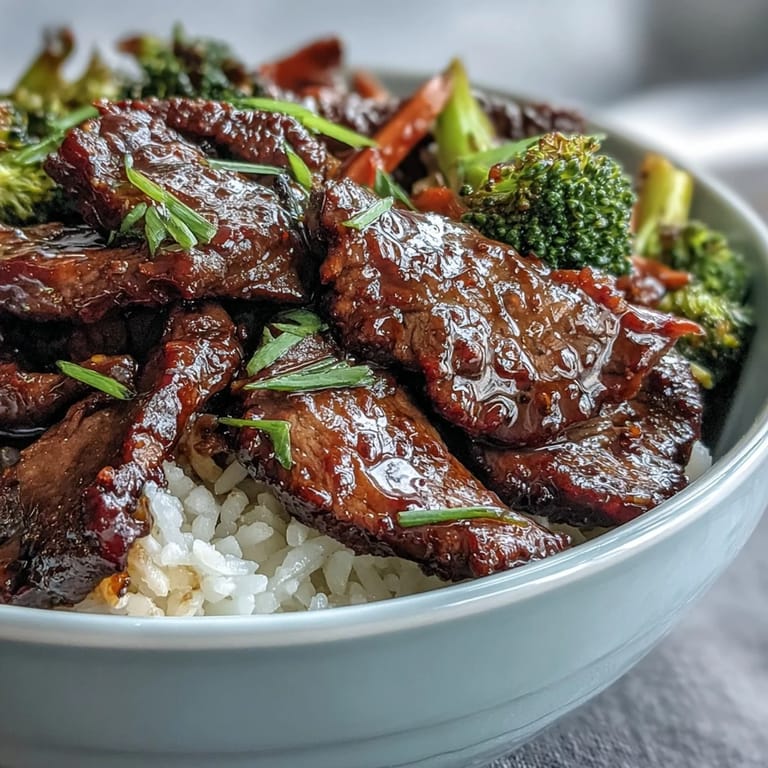
- Spoon fluffy rice into bowls, top with the beef and vegetable mixture, then scatter sliced spring onions and sesame seeds over the top. The fresh green onion on top is essential—it adds a sharp bite that makes your palate wake up.
 Save to Pinterest
 There was an evening when my partner came home exhausted from work, and I'd made this for dinner without telling them. The way their shoulders dropped when they saw the bowl sitting there, steam rising from the rice, made me realize this simple dish had become comfort food in our house. It's not fancy, but it tastes like someone cared.
Making It Your Own
This recipe is genuinely forgiving in terms of protein swaps—I've made it with chicken breast cut thin, with tofu pressed and cubed, even with shrimp in a pinch. The magic of the teriyaki sauce works on virtually anything, so don't feel locked into beef if you're in the mood for something different. The vegetables are similarly flexible; add whatever is in your crisper or whatever you're craving that day.
Sauce Science and Timing
The cornstarch slurry is your friend—mixing cornstarch with water before whisking it into hot sauce prevents those frustrating lumps that ruin an otherwise perfect glaze. I learned this the hard way one Sunday when I added the dry cornstarch directly and ended up with gritty sauce, so now I'm religious about it. The sauce should bubble gently for just 2–3 minutes after the slurry goes in; any longer and it starts to break down and lose its shine.
Building Flavor Without Shortcuts
Fresh ginger and garlic are worth the extra 90 seconds of prep work they require—they add a brightness and complexity that jarred versions simply cannot match. If you're tempted to use powdered garlic or ginger, don't; the dish becomes one-dimensional and flat. This is also why I make the sauce first, letting the garlic and ginger steep as it simmers so their flavors fully bloom before everything comes together.
- Always taste your sauce before serving and adjust the salt or sweetness if needed, because soy sauce brands vary in intensity.
- Cut your vegetables roughly the same size so they cook evenly and look intentional on the plate rather than haphazard.
- If you're cooking for a crowd, you can make the sauce and prep everything ahead, then just sear the beef and vegetables when it's time to eat.
 Save to Pinterest
 This bowl has become one of those dishes I reach for when I want something that feels special but doesn't require hours in the kitchen. Every time someone asks for the recipe, I know they're going to end up making it regularly, and somehow that feels like the highest compliment.
Recipe Questions & Answers
- → What cut of beef works best?
Flank steak or sirloin are ideal choices. Slice the beef thinly against the grain for maximum tenderness. The meat cooks quickly, so avoid tough cuts that require longer cooking times.
- → Can I make the teriyaki sauce ahead?
Absolutely. Prepare the sauce up to 3 days in advance and store it in an airtight container in the refrigerator. Reheat gently before tossing with the beef and vegetables.
- → How do I get the sauce properly thickened?
The cornstarch slurry is key. Mix cornstarch with cold water until smooth before adding to the simmering sauce. Whisk constantly while it bubbles for 2-3 minutes until glossy and thickened.
- → What vegetables can I substitute?
Snap peas, edamame, shiitake mushrooms, or baby corn all work beautifully. Use whatever crisp vegetables you enjoy. Aim for colorful variety and textures that hold up to quick stir-frying.
- → Is this gluten-free?
The traditional version contains gluten from soy sauce. Simply substitute tamari or a certified gluten-free soy sauce to make it completely gluten-free without sacrificing flavor.
- → Can I use brown rice instead of white?
Brown rice is an excellent choice that adds nutty flavor and extra fiber. Just remember it typically requires longer cooking time and more water than white rice.