 Save to Pinterest
 There's a Tuesday evening I keep returning to—my kitchen was steaming, the wok was singing, and I'd just realized I could make something restaurant-worthy in under half an hour. That discovery changed how I cook at home. Beef and broccoli became my answer to those nights when I craved something bold and satisfying but didn't have the luxury of time. What started as a quick weeknight fix turned into something I now make when I want to impress without the fuss.
I made this for my sister during one of those unplanned visits where I had to prove I could still cook something impressive with whatever was in my freezer. She watched the beef sear and the sauce come together, and by the time those ginger and garlic aromas hit the air, she was asking for the recipe. That's when I knew it wasn't just easy—it was genuinely good.
Ingredients
- Flank steak or sirloin, thinly sliced against the grain: Slicing against the grain keeps the beef tender even with high heat; flank is forgiving and affordable, which is why I reach for it constantly.
- Soy sauce: This is your umami backbone—don't skimp on quality here, as it flavors both the marinade and the sauce.
- Cornstarch (for marinade): This tiny addition creates a silky coating on the beef that helps it brown beautifully and seals in moisture.
- Rice vinegar: A splash of brightness that keeps the marinade from tasting flat or one-dimensional.
- Sesame oil: Just a teaspoon adds a toasted, nutty depth that makes people ask what your secret ingredient is.
- Oyster sauce: If you've only tasted it in restaurants, making it at home will show you how much better it can be when it's fresh.
- Honey or brown sugar: A touch of sweetness balances the salt and umami, creating that complex flavor you chase in good Chinese food.
- Fresh ginger and garlic: Grate the ginger yourself if you can—the juice and fragrance are worth the three minutes it takes.
- Beef or chicken broth: This keeps the sauce from reducing too quickly and adds body without any fuss.
- Cornstarch slurry: This mixture thickens the sauce to a silky glaze that clings to the beef instead of pooling at the bottom of your bowl.
- Broccoli florets: Steam them just until they turn bright green and fork-tender—they'll keep cooking slightly when tossed with the hot sauce.
- Jasmine or long-grain rice: Jasmine rice absorbs sauce beautifully and smells incredible, though any white rice works fine if that's what you have on hand.
- Vegetable oil: Use something neutral and high-heat safe; this isn't the time for olive oil.
- Green onions and sesame seeds: These finish the bowl with color, crunch, and a whisper of freshness that makes everything feel intentional.
Tired of Takeout? 🥡
Get 10 meals you can make faster than delivery arrives. Seriously.
One email. No spam. Unsubscribe anytime.
Instructions
- Coat and marinate the beef:
- Toss your sliced beef with soy sauce, cornstarch, rice vinegar, and sesame oil in a bowl—you're building flavor and texture here, not just marinating. Ten minutes is enough; any longer and the cornstarch can get gummy, so set a timer and move on.
- Build your sauce base:
- Whisk together the soy sauce, oyster sauce, honey, ginger, garlic, and broth in a small bowl, leaving the cornstarch slurry aside for now. This is your moment to taste and adjust—if it feels too salty, add a splash more broth; too sweet, add a pinch more ginger.
- Steam the broccoli until bright:
- Get your water boiling and steam those florets until they're just fork-tender and brilliant green, about three to four minutes depending on size. Shocking them in cold water stops the cooking and keeps them from turning army-gray, which matters more than you'd think.
- Sear the beef in a hot wok or skillet:
- Heat your oil until it shimmers, then spread the beef in a single layer and let it sit for a minute—patience here means a golden crust, not gray, steamed beef. Flip and cook another minute, then remove it to a plate while you finish the sauce.
- Create the silky sauce:
- Pour your sauce mixture into the hot pan and let it come to a gentle simmer, then stir in your cornstarch slurry slowly while whisking. Watch it thicken right before your eyes—this is where the magic happens, turning a loose liquid into something that clings.
- Bring it all together:
- Return the beef to the pan along with the steamed broccoli and toss everything in that glossy sauce for just a minute until heated through. The goal is warm, coated, and glistening—not mushy or overcooked.
- Serve over rice with confidence:
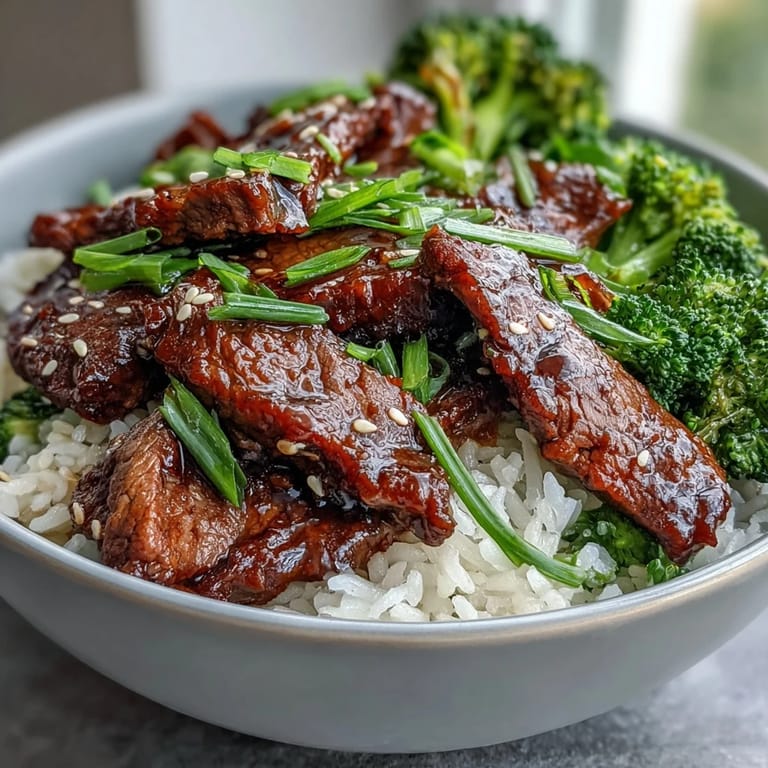
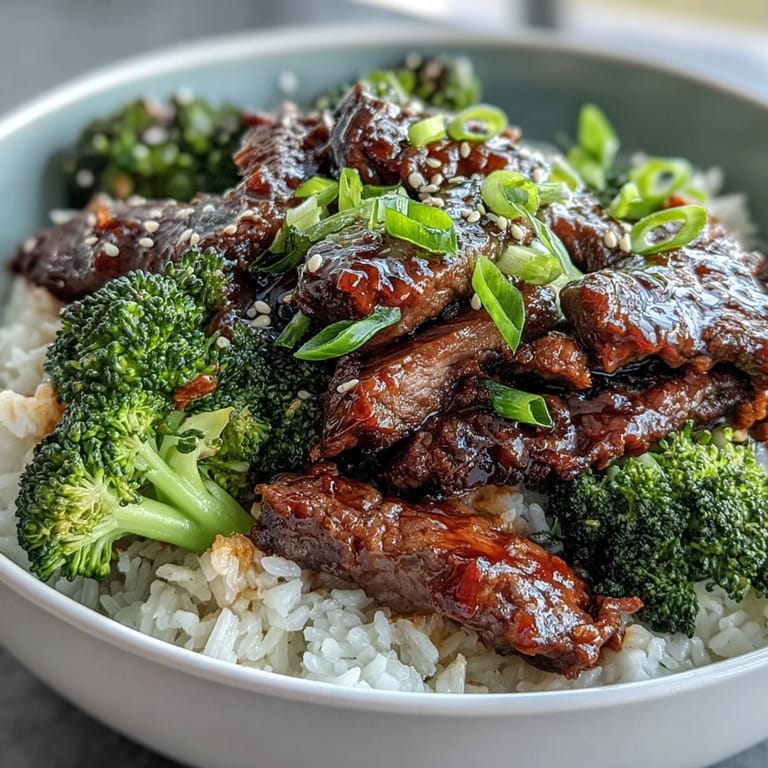
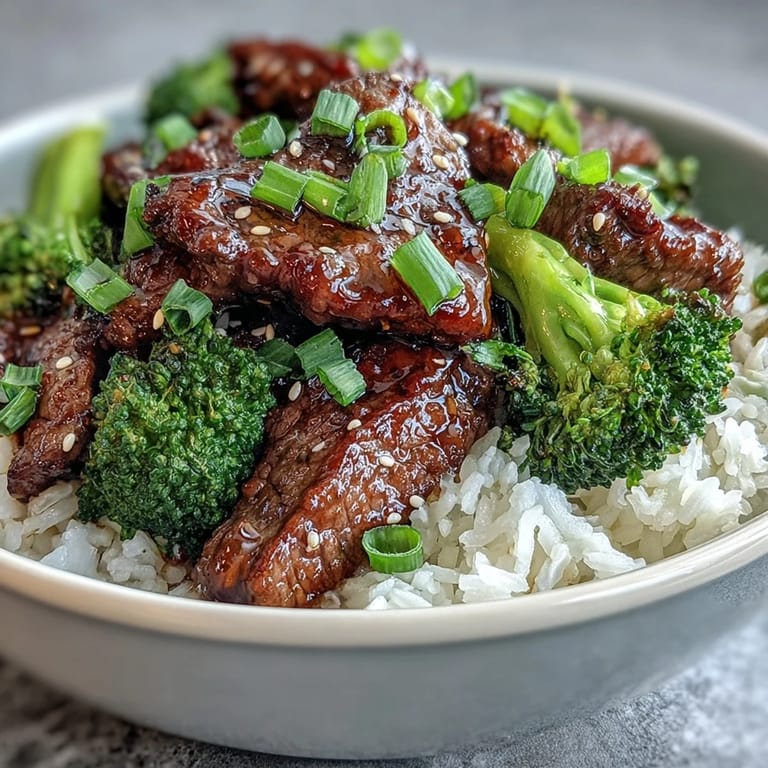
- Divide your cooked rice among bowls, top with the beef and broccoli mixture, and finish with a scatter of green onions and toasted sesame seeds. This is the moment where it all comes together and looks exactly like something you'd order out.
 Save to Pinterest
 My neighbor smelled it cooking one evening and ended up at my door, and we shared the whole batch while talking about nothing in particular. That's when food stops being about feeding yourself and becomes about those small moments of connection that make a regular Tuesday feel special.
Why This Dish Works Every Time
The magic is in the balance—you're building layers of flavor rather than relying on any single strong note. The soy and oyster sauce create depth, the ginger and garlic add brightness, and the honey smooths everything into harmony. Every element has a job, and when they work together, you get something that tastes far more complicated than it actually is.
Making It Your Own
This recipe is flexible without being wishy-washy—you can swap the beef for chicken thighs or cubed tofu without changing the method, and the sauce will taste just as good. Bell peppers, snap peas, or even bok choy can replace the broccoli depending on what's in season or what you're craving. The bones of the dish are strong enough to handle variation, which is why it's become my go-to formula for improvisation.
The Small Details That Matter
Temperature control is quiet but essential—your pan needs to be hot enough that the beef browns in seconds, not minutes, which is why preheating matters. The cornstarch slurry seems fussy, but it's the difference between a sauce that drapes and one that runs. These little technical touches don't require special equipment or skill; they just require awareness and a willingness to slow down for thirty seconds.
- Always slice your beef against the grain for maximum tenderness and better sauce absorption.
- Taste your sauce mixture before the cornstarch goes in—seasoning is easier now than after it thickens.
- Broccoli continues cooking slightly from residual heat, so pull it from the steamer a touch early if you like it with a little bite.
 Save to Pinterest
 This bowl has become my answer to the question "what should we eat?" because it satisfies without weighing you down, impresses without pretense, and comes together in the time it takes to pour a drink and settle in. There's something grounding about knowing you can make something this good whenever you need it.
Recipe Questions & Answers
- → What cut of beef works best?
Flank steak or sirloin sliced thinly against the grain yields the most tender results. The marinade helps break down fibers for extra tenderness.
- → Can I make this gluten-free?
Yes, substitute tamari for soy sauce and use gluten-free oyster sauce. All other ingredients naturally contain no gluten.
- → How do I slice beef properly?
Slice against the grain (perpendicular to muscle fibers) into thin strips. Partially freezing the beef for 20 minutes makes cutting easier and more uniform.
- → What vegetables can I add?
Bell pepper slices, snap peas, carrots, or baby corn work beautifully. Add them during the final toss so they stay crisp-tender.
- → Can I prep ahead?
Slice beef and make sauce up to 24 hours ahead. Store separately in the refrigerator. Steam broccoli fresh before serving for best texture.
- → How do I store leftovers?
Keep components in airtight containers for up to 3 days. Reheat gently on the stove, adding a splash of water if sauce thickens too much.