 Save to Pinterest
 There's something about the smell of cumin hitting hot oil that instantly transported me back to a cooking class in Marrakech, though I was really just standing in my tiny apartment kitchen on a Tuesday night. A friend had texted asking if I could throw together something warm and vegan for dinner, and I grabbed a few cans from the pantry without much of a plan. What emerged was this spicy chickpea stew—earthy, alive with spice, and so unexpectedly comforting that I've made it dozens of times since. It's become my go-to when I want something that feels both nourishing and a little adventurous.
I served this stew to my sister last winter when she was going through a rough patch, and watching her face soften with that first spoonful reminded me why cooking for people matters. The warmth of it, the gentle heat from the chili flakes, the brightness of the lemon at the end—it all felt like a small kindness I could offer. She asked for the recipe that night, and now it's part of her rotation too.
Ingredients
- Chickpeas: Two cans gives you a hearty base that holds up beautifully to simmering; make sure to drain and rinse them so you're not stuck with that starchy liquid.
- Onion: One large one, finely chopped, becomes the sweet, soft foundation everything else builds on—don't rush this step.
- Garlic: Two cloves minced fine so they meld into the oil rather than sitting as chunks.
- Carrots and red bell pepper: Diced into similar-sized pieces so they cook evenly and add color without overpowering the palate.
- Diced tomatoes: A fourteen-ounce can brings acidity and body; canned is actually perfect here.
- Vegetable broth: Two cups keeps everything liquid and allows the spices room to bloom.
- Tomato paste: Two tablespoons of this concentrated depth-bringer makes the stew taste like it's been simmering for hours.
- Olive oil: Two tablespoons is your fat carrier—use something you actually like, since it's tasted directly.
- Cumin: One teaspoon of this earthy, warm spice is the stew's backbone.
- Smoked paprika: One teaspoon adds a subtle depth and gentle heat that builds throughout the meal.
- Coriander, turmeric, and cinnamon: A half-teaspoon each of these three creates complexity and a whisper of sweetness that makes people ask what's in it.
- Chili flakes: Start with a half-teaspoon and adjust upward if you like fire; this is where you make it your own.
- Bay leaf: One whole leaf infuses the broth with subtle flavor and should be removed before serving.
- Lemon juice: From half a lemon, added at the very end to brighten everything and wake up your taste buds.
- Fresh cilantro or parsley: Two tablespoons chopped, stirred in last, brings a fresh note that cuts through the richness.
Tired of Takeout? 🥡
Get 10 meals you can make faster than delivery arrives. Seriously.
One email. No spam. Unsubscribe anytime.
Instructions
- Get your pot ready:
- Heat olive oil in a large pot over medium heat until it shimmers slightly. You'll know it's ready when it smells warm and inviting, not smoking.
- Soften the onion:
- Add your finely chopped onion and let it sit for about four to five minutes, stirring occasionally, until it turns translucent and soft. This is when your kitchen starts to smell like dinner.
- Build your aromatic base:
- Stir in the minced garlic, diced carrots, and red bell pepper. Sauté for another three to four minutes until the vegetables start to soften and the garlic becomes fragrant. You'll notice the smell change as the garlic heats through.
- Bloom the spices:
- Add cumin, smoked paprika, coriander, turmeric, chili flakes, and cinnamon all at once. Stir constantly for about one minute—this is crucial because it releases the essential oils in the spices and deepens their flavor without letting them burn.
- Create the base:
- Stir in tomato paste until it coats everything, then pour in your diced tomatoes, drained chickpeas, vegetable broth, and bay leaf. Stir well so nothing sticks to the bottom.
- Bring to a simmer:
- Let the pot come to a boil, then reduce the heat, cover, and simmer for twenty-five minutes, stirring occasionally. The longer it sits, the more the flavors meld.
- Finish strong:
- Remove the lid and simmer uncovered for another five minutes to let some liquid reduce and the flavors intensify. This is when it starts tasting like something special.
- Season and brighten:
- Remove the bay leaf, taste carefully, and add salt and pepper to your preference. Squeeze in the lemon juice and stir through the fresh cilantro or parsley. Taste again—lemon should brighten it all without tasting citrusy.
 Save to Pinterest
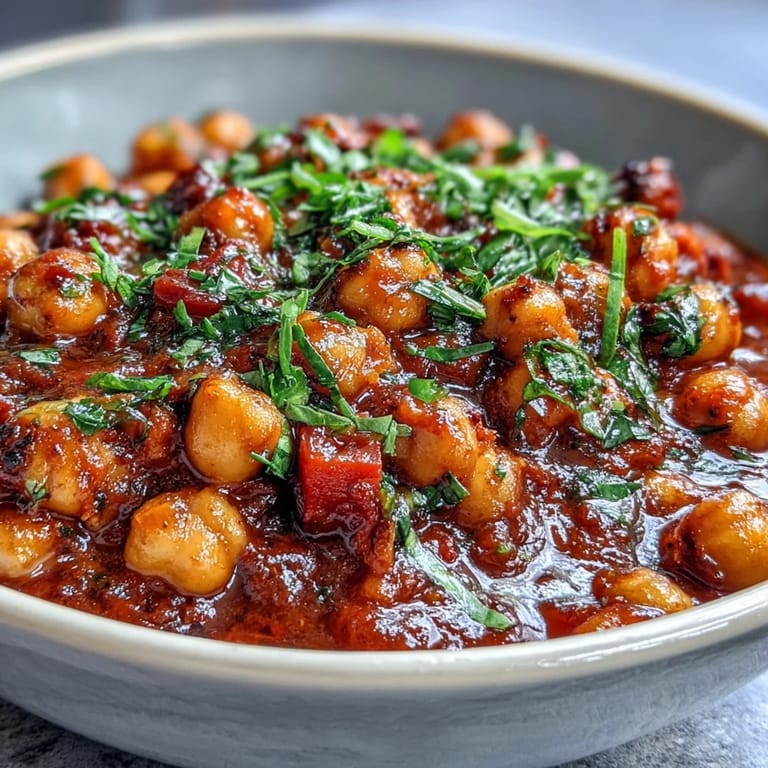
 There's a moment in this stew's cooking when everything seems to suddenly come together—when the broth goes from separated and ingredient-y to unified and whole. It reminds me why cooking is actually a form of meditation.
Flexibility and Swaps That Work
This stew is remarkably forgiving, which is part of what makes it so reliable. If you don't have smoked paprika, regular paprika works fine, though you'll lose a tiny bit of that smoky depth. Canned tomatoes can be swapped for fresh if you're cooking in summer, though you might need a touch more tomato paste for body. The spices are a landscape, not a rigid path—I've made this with different ratios depending on my mood and what I found in my spice cabinet.
Serving and Storage Ideas
Serve this stew hot in bowls with crusty bread for soaking up the broth, or ladle it over rice or couscous if you want it more substantial. It's equally good spooned into a warm tortilla with avocado, or eaten straight from the pot as comfort food on a difficult evening. Leftovers keep in the fridge for four days in an airtight container, and honestly, the flavors deepen overnight, so don't hesitate to make a double batch.
Why This Works as a Meal
Chickpeas are protein-packed and satisfying in a way that makes this feel substantial without meat, and the combination of vegetables means you're getting real nutrition, not just calories. The spice profile is warming without being aggressive, which means it works for people who like gentle heat and people who like more fire—you're in control.
- Pair it with a crisp white wine like Sauvignon Blanc if you want to get fancy about it.
- For extra depth, add a diced jalapeño when you put in the other vegetables.
- This is the kind of stew that tastes better on day two, so make extra without guilt.
 Save to Pinterest
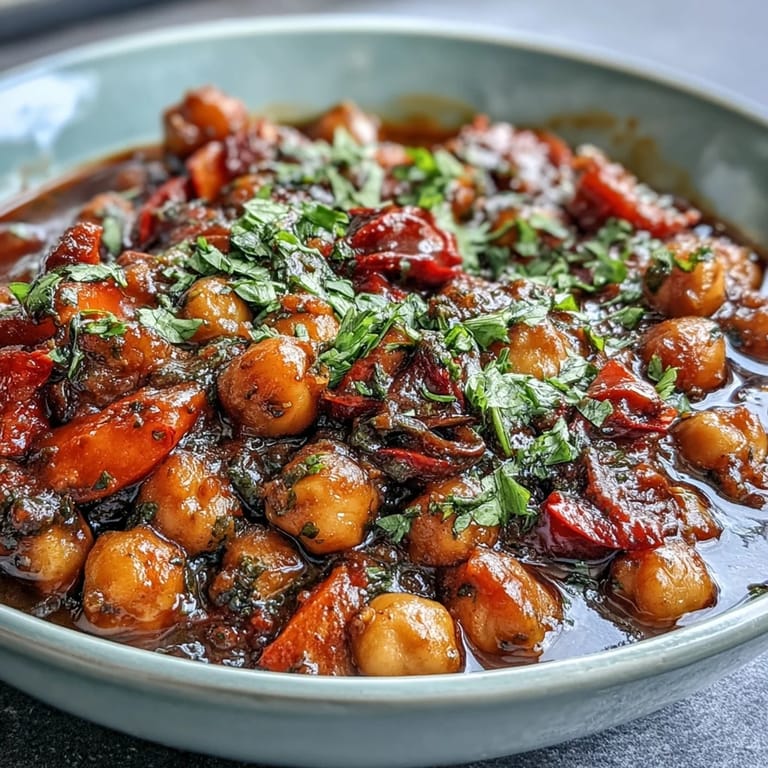
 This stew has become my answer to the question "what should I make tonight?" because it's straightforward, deeply satisfying, and makes your kitchen smell like someplace warm and full of intention. Make it, and it'll probably become yours too.
Recipe Questions & Answers
- → How long does this stew keep in the refrigerator?
This stew stores beautifully in an airtight container in the refrigerator for up to 5 days. The flavors actually develop and become more complex overnight, making it an excellent option for meal prep.
- → Can I freeze spicy chickpea stew?
Absolutely. Let the stew cool completely, then transfer to freezer-safe containers. It will keep well for up to 3 months. Thaw overnight in the refrigerator before reheating gently on the stovetop.
- → How can I make this stew more protein-rich?
While chickpeas already provide 13g of protein per serving, you can add a cup of red lentils during the simmering stage or stir in a handful of spinach near the end for extra nutrients.
- → What vegetables work well in this stew?
Beyond the carrots and bell pepper, try adding diced sweet potatoes, zucchini, or eggplant. Leafy greens like kale or spinach can be stirred in during the last 5 minutes of cooking.
- → Is this stew very spicy?
The chili flakes provide moderate heat that's warming rather than overwhelming. Adjust the amount to your preference, or omit them entirely for a milder version that still delivers rich flavor from the other spices.
- → What's the best way to reheat leftovers?
Gently reheat on the stovetop over medium-low heat, adding a splash of water or broth if needed. You can also microwave individual portions, stirring halfway through for even heating.