 Save to Pinterest
 There's something about the smell of Italian sausage hitting hot oil that makes a kitchen feel instantly alive. My neighbor Marco once brought over a pot of this soup on a chilly October evening, and I watched him work with such ease, crumbling the sausage into perfect little pieces while telling me stories about his grandmother in Tuscany. That night I learned that a good soup isn't about fancy techniques—it's about respect for simple ingredients and patience.
I made this for my book club last winter when snow was piling up outside, and we all sat around the table with warm bowls, conversation flowing as easily as the soup was disappearing. Someone asked if I'd made it from scratch, and I remember feeling a small pride in how simple the answer was—yes, and it only took fifty minutes. That's when I realized good food isn't measured in time spent or difficulty conquered, but in how it brings people together.
Ingredients
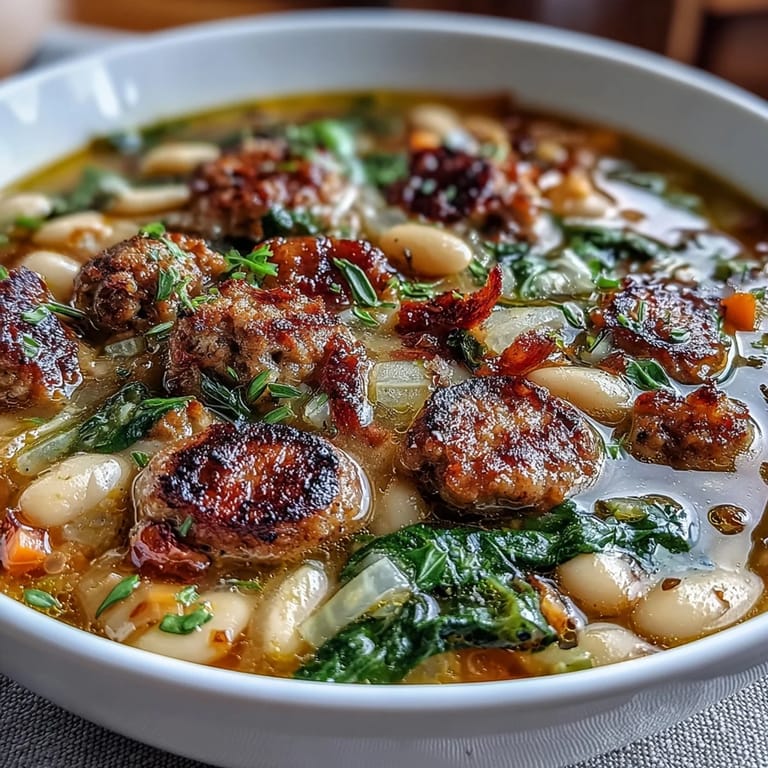
- Italian sausage (500 g / 1 lb), casings removed: This is your flavor anchor, whether you choose mild or spicy; removing the casings lets it crumble into tiny flavor bombs throughout the soup.
- Yellow onion, carrots, and celery (1 medium onion, 2 carrots, 2 stalks): This trio is the holy trinity of soup building, creating a savory base that's almost impossible to mess up.
- Garlic (3 cloves, minced): One minute in the pan after the soffritto is all it needs to release its magic without burning.
- Zucchini (1 medium, diced): This keeps things light and adds a subtle sweetness that balances the herbs perfectly.
- Canned diced tomatoes (400 g / 14 oz, undrained): Their acidity cuts through the richness and keeps the broth bright and alive.
- Cannellini beans (2 cans, 400 g / 14 oz each, drained and rinsed): Rinsing is non-negotiable here—it removes the starchy liquid that can make soup taste canned and flat.
- Chicken broth (1.5 liters / 6 cups), low-sodium: Low-sodium gives you control over the salt balance as flavors develop during simmering.
- Olive oil (2 tbsp), extra virgin: Use something good here because it's not hidden under layers of cooking; it matters.
- Dried oregano, thyme, and rosemary (1 tsp each): Dried herbs are actually perfect for soup since they have time to bloom and deepen in the warm broth.
- Crushed red pepper flakes (½ tsp, optional): A whisper of heat wakes up your palate without overwhelming the delicate bean flavor.
- Spinach (120 g / 4 oz baby spinach, about 4 cups): Fresh green added at the very end keeps its vibrant color and delicate texture.
- Parmesan and fresh parsley (for garnish, optional): These finish the bowl with elegance, but the soup is complete and delicious without them.
Tired of Takeout? 🥡
Get 10 meals you can make faster than delivery arrives. Seriously.
One email. No spam. Unsubscribe anytime.
Instructions
- Get the sausage sizzling:
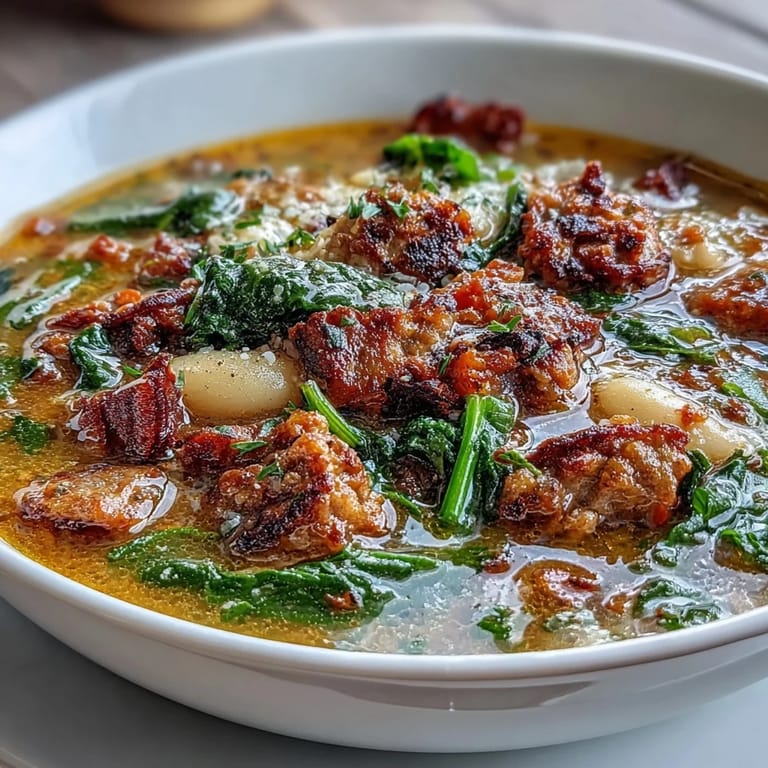
- Heat your olive oil over medium heat until it shimmers slightly, then add the crumbled sausage. Use your wooden spoon to break it into small, even pieces as it browns—this usually takes about 6 to 8 minutes, and you'll know it's done when there's no pink left and the pieces have started to caramelize at the edges. If a pool of fat sits on top when you're finished, use a spoon to gently skim some away, leaving just enough to flavor the next step.
- Build the flavor base:
- Add your diced onion, carrots, and celery to the pot with the sausage and stir everything together. Let them soften for about 5 minutes, stirring occasionally—you're looking for the onion to turn translucent and the celery to lose its raw edge. Stir in your garlic and let it perfume the pot for just 1 minute, until your kitchen smells like it's been cooking all day.
- Wake up the seasonings:
- Toss in the diced zucchini and cook it for 2 minutes to soften its edges, then add the canned tomatoes along with all their juice. Sprinkle in your oregano, thyme, rosemary, and red pepper flakes if you're using them, then stir and let everything cook together for 2 minutes so the herbs can start releasing their oils into the liquid.
- Bring it all together:
- Add your rinsed cannellini beans and the full 6 cups of low-sodium chicken broth, giving everything a good stir. Bring the pot to a boil—you'll see the surface start to break into bubbles—then immediately reduce the heat to low and let it simmer uncovered for 15 minutes. This gentle cooking allows all the flavors to marry without any ingredients getting beaten down.
- Finish with fresh green:
- Tear or roughly chop your baby spinach and stir it into the pot, then simmer for just 2 to 3 minutes until it's wilted and bright green. Taste a spoonful of broth and adjust the salt and pepper to your preference—remember that the Parmesan you add at the end will add a little more salt, so go easy.
- Serve with warmth:
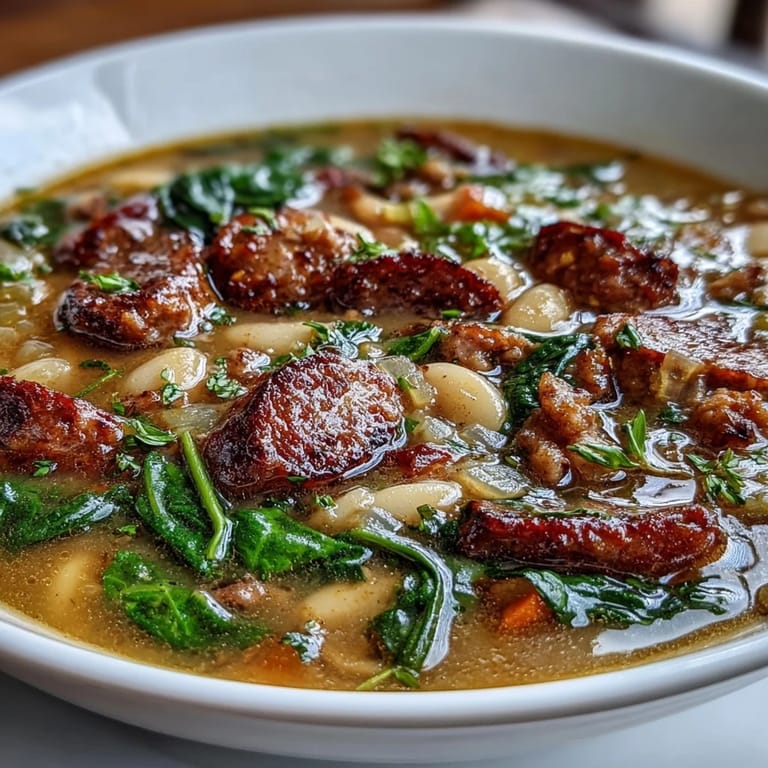
- Ladle the soup into bowls and top with a generous grating of Parmesan and a scatter of fresh parsley if you have it. Serve hot alongside thick slices of crusty bread that are perfect for soaking up every drop.
 Save to Pinterest
 My daughter once asked why this soup tasted different every time I made it, and I realized it was because I was always tweaking it just slightly—adding a pinch more thyme one week, letting it simmer an extra five minutes the next. That's when soup stopped being something I followed and started being something I owned.
When to Make This Soup
This is the soup you turn to when the temperature drops and you want something that fills the house with warmth before you even taste it. It works for weeknight dinners when you don't want to fuss, but it's also elegant enough to serve when friends drop by unexpectedly. I've learned that the best time to make it is when you have an hour and the kind of mood where you don't mind the gentle rhythm of chopping and stirring.
Variations That Still Feel True
For a vegetarian version, simply skip the sausage and use vegetable broth instead, then add an extra can of beans so you don't lose that protein satisfaction. Some people swear by mashing a handful of the cooked beans right in the pot to create a creamier texture, which actually feels less heavy than you'd expect. I've also made this in the summer by swapping out the spinach for fresh basil added right at the end, which changes the entire character but keeps the soul intact.
Storage and Reheating
This soup keeps beautifully in the refrigerator for up to four days, and the flavors actually deepen as it sits, making it a perfect candidate for meal prep or leftovers that taste better than the original bowl. Reheat it gently on the stove over medium heat, stirring occasionally and adding a splash of broth if it's gotten too thick. You can also freeze it for up to three months in freezer-safe containers, though I've never managed to save any long enough to actually do that.
- Always let the soup cool to room temperature before refrigerating or freezing to prevent condensation and flavor dilution.
- If you're serving this for company, make it the day before and simply reheat it while you set the table—it tastes better and you'll be calmer.
- A crusty loaf of Italian bread is not optional; it's part of the experience.
 Save to Pinterest
 There's a quiet confidence that comes from making a soup like this, knowing you've created something nourishing with your own hands. Every bowl you ladle is a small act of care, and that matters.
Recipe Questions & Answers
- → Can I make this dish vegetarian?
Yes, simply omit the sausage and replace chicken broth with vegetable broth. Adding extra beans can enhance protein content.
- → What herbs enhance the flavor best?
Dried oregano, thyme, and rosemary create the classic Tuscan aroma and depth in this soup.
- → How do I achieve a creamier texture?
Mash some of the cannellini beans before adding them to the pot to create a thicker, creamier consistency.
- → Is this dish gluten-free?
Yes, if you use gluten-free sausage and broth, this dish suits gluten-free dietary needs.
- → What garnishes complement the flavors?
Freshly grated Parmesan cheese and chopped parsley brighten and enrich the soup's flavors.
- → Can any wine be paired with this dish?
Traditional Chianti or Sangiovese wines pair wonderfully with the rich flavors of this soup.