 Save to Pinterest
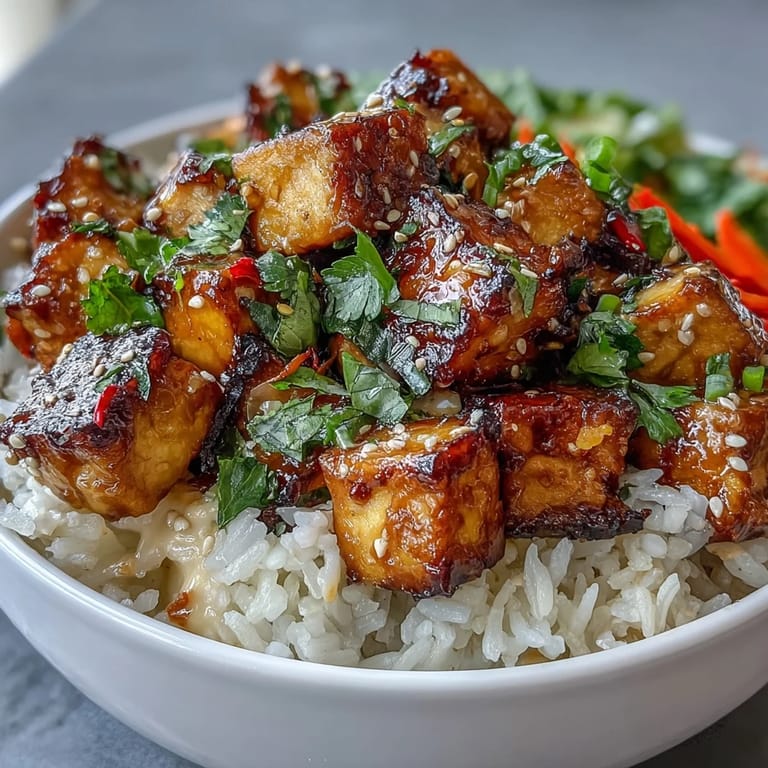
 There's something about the sound of tofu hitting hot oil that makes me feel like I'm in a bustling Hanoi street stall, even in my modest kitchen. I stumbled onto this vegan banh mi bowl concept one rainy afternoon when I had leftover jasmine rice and a block of tofu staring at me from the fridge, plus a craving for something tangy and alive. What started as improvisation became my go-to bowl whenever I need food that tastes like a celebration, without any animal products involved. The crispy tofu gets its crunch from cornstarch, the pickled vegetables sing with vinegar and sugar, and the sriracha mayo ties it all together like a secret handshake. It's the kind of meal that makes you feel both nourished and a little bit adventurous.
I made this for my friend Marcus who'd been skeptical about vegan cooking, and watching him return for seconds without even commenting on the absence of fish sauce told me everything. The crunch of that tofu, the brightness of cilantro and lime, the little heat of jalapeño—it all just worked in a way that felt both familiar and entirely new. That's when I realized this recipe had become my love letter to Vietnamese food, just reimagined through a plant-based lens.
Ingredients
- Firm tofu, pressed and cubed: Pressing removes moisture so the tofu can actually get crispy instead of steaming; this is non-negotiable and worth the extra five minutes.
- Cornstarch: This is your secret weapon for crispiness without deep frying—it creates a light, shattery coating that rivals fried shallots.
- Soy sauce and sesame oil: Together they build a savory depth that makes the tofu taste intentional rather than neutral.
- Rice vinegar, sugar, and salt for pickling: The ratio here creates that perfect sweet-sour-salty balance that makes you keep reaching for more vegetables.
- Jasmine rice: Its subtle floral quality complements the assertive flavors without competing; brown rice works but tastes earthier.
- Vegan mayonnaise: Quality matters here since it's a starring player; some brands taste plasticky, so find one you genuinely enjoy.
- Sriracha: Adjust this to your heat tolerance, but resist the urge to skip it—it's the final note that makes everything sing.
- Fresh cilantro, jalapeño, scallions, and sesame seeds: These aren't just toppings; they're textural and flavor contrasts that make each spoonful feel different.
Tired of Takeout? 🥡
Get 10 meals you can make faster than delivery arrives. Seriously.
One email. No spam. Unsubscribe anytime.
Instructions
- Mix your pickling brine and get the veggies working:
- Whisk rice vinegar, sugar, and salt in a bowl until the sugar dissolves completely, then add your julienned carrot, daikon, and sliced cucumber. This can sit while you work on the rest, and the longer it sits the more flavorful it becomes; I usually start this first so it has time to soften and absorb.
- Press and season your tofu:
- Wrap your tofu block in a clean kitchen towel and weigh it down with a heavy pan for about ten minutes to release excess moisture. Cut into cubes, toss with soy sauce in a bowl, then sprinkle cornstarch over the top and toss gently until every piece is evenly coated—this is the crucial step that creates crispiness.
- Get your oil hot and cook the tofu until it's golden:
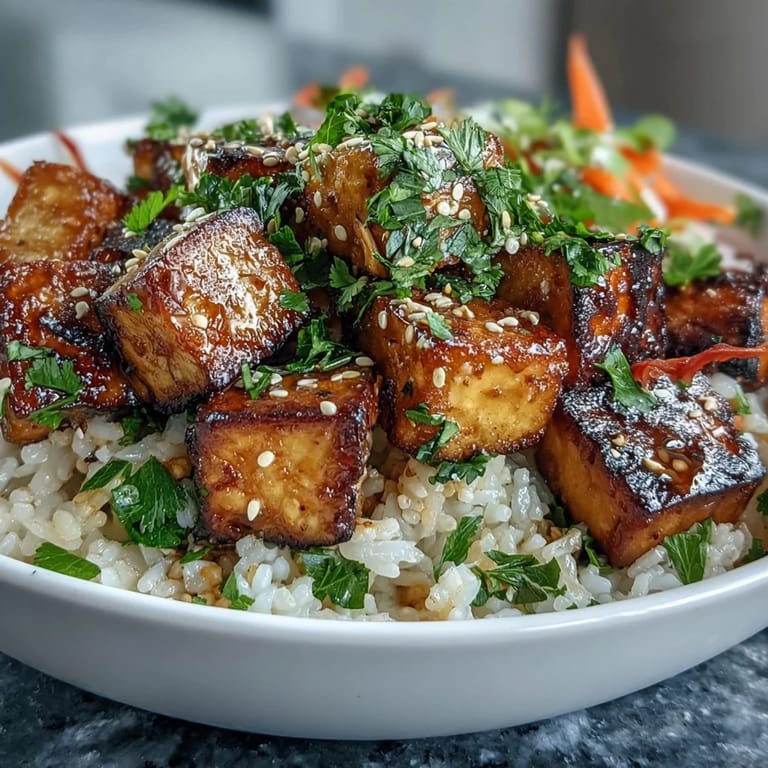
- Heat sesame oil and vegetable oil together in a large skillet over medium-high heat until it shimmers and smells nutty. Add tofu in a single layer (don't crowd the pan), and let it sit for two to three minutes before turning—patience here rewards you with a golden crust. Keep turning every few minutes until all sides are crispy and golden, which takes about ten to twelve minutes total.
- Cook your rice if you haven't already:
- Follow package instructions for jasmine rice, or use a rice cooker if you have one. You'll need about two cups cooked rice, which you can make while the tofu is crisping up.
- Combine your sriracha mayo:
- Stir vegan mayonnaise, sriracha, and lime juice together in a small bowl, tasting as you go and adjusting the heat level to your preference. I like to make this slightly spicier than I think I need because it mellows when mixed into the warm bowl.
- Assemble your bowls with intention:
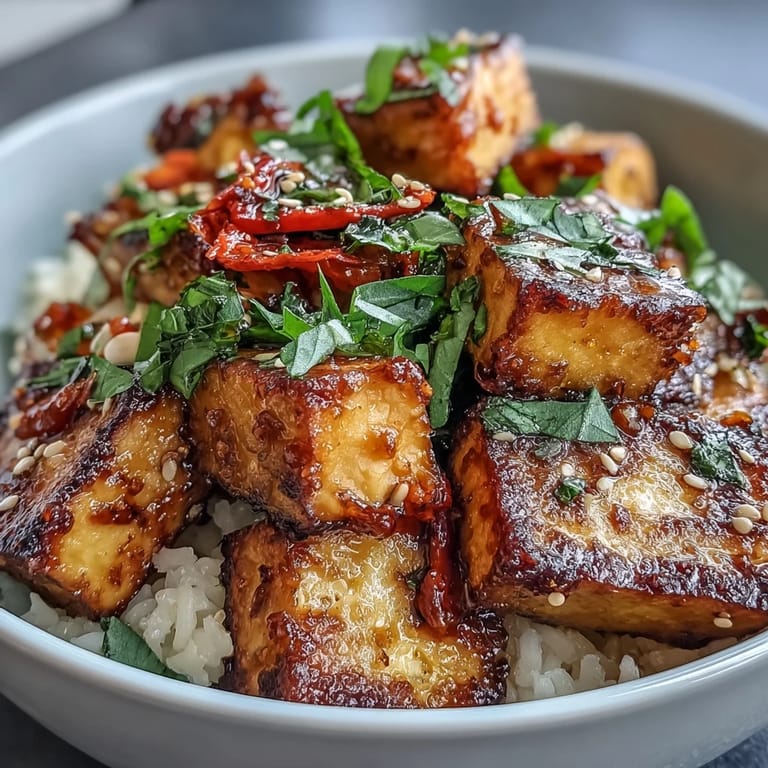
- Divide rice among four bowls, creating a little nest. Top with drained pickled veggies, a generous handful of crispy tofu, and then scatter cilantro, jalapeño, scallions, and sesame seeds across the top. Drizzle sriracha mayo artfully, add a wedge of lime on the side, and serve immediately while everything is at its best temperature and texture.
 Save to Pinterest
 One morning I made extra pickled veggies and forgot about them in a jar on my counter, and three days later they'd deepened into something even more complex and craveable. That's when I realized this recipe is forgiving and evolves—it becomes your own through small adjustments and happy accidents. The bowl itself is just a vehicle for whatever makes you feel good to eat.
The Tofu Texture Secret
Getting tofu crispy used to feel like magic until someone explained the science to me: cornstarch absorbs moisture and creates a sealed surface that fries rather than steams. The key is patting your tofu very dry before cutting, letting the soy sauce soak in for a minute, then coating with cornstarch and letting it sit for just a moment so the coating adheres. When it hits that hot oil, it should sound slightly aggressive—almost angry—which is exactly the sound of crispiness being created. I've stopped being afraid of my tofu and started listening to it instead.
Pickling as Preparation
The beauty of quick pickled vegetables is that they're honestly foolproof and can be made hours ahead, which means you're essentially making dinner in two stages. I often pickle my veggies the night before when I'm making tea or doing something quiet, so the actual cooking feels leisurely rather than rushed. The vegetables become softer and more flavorful the longer they sit, so don't worry about making them too early. You can also taste the brine and adjust: if it's too salty, add a splash of water; too sweet, add more vinegar. Pickling teaches you to trust your palate.
Building Flavor Layers
What makes this bowl feel less like a recipe and more like an experience is the way flavors build—salty from soy sauce and pickled veggies, spicy from sriracha and jalapeño, bright from lime and cilantro, nutty from sesame oil and seeds. Each component matters, but together they create something bigger than their individual parts. I've learned that the best bowls aren't the ones with the most ingredients, but the ones where each ingredient has a clear purpose.
- Toast your sesame seeds in a dry pan for just one minute to wake up their flavor before sprinkling them on.
- If you can't find daikon radish, simply use more carrot or add thinly sliced radishes for extra crunch.
- Serve with lime wedges and let people adjust the citrus to their own taste—some prefer more brightness than others.
 Save to Pinterest
 This bowl has become my proof that plant-based cooking can feel exciting and indulgent rather than restrictive. Serve it warm, enjoy it slowly, and know that you've made something that tastes like both care and celebration.
Recipe Questions & Answers
- → How do I get the tofu crispy?
Press the tofu well to remove excess moisture, coat it evenly with cornstarch, and pan-fry in hot oil until golden and crisp on all sides.
- → Can I substitute jasmine rice with another grain?
Yes, brown rice or quinoa work well as nutritious alternatives while maintaining a satisfying base for the bowls.
- → What vegetables are best for pickling here?
Julienned carrot, daikon radish, and cucumber provide a refreshing, crunchy balance when quick-pickled with rice vinegar, sugar, and salt.
- → How spicy is the sriracha mayo?
The heat level can be adjusted by varying the amount of sriracha used to suit your taste preferences.
- → Is this dish suitable for gluten-free diets?
To make it gluten-free, substitute tamari for soy sauce and ensure all condiments, including the vegan mayo, are certified gluten-free.