 Save to Pinterest
 The first time I made teriyaki chicken, it was a Tuesday night when I had exactly forty-five minutes before a friend dropped by, and my fridge had chicken thighs looking at me expectantly. I'd watched someone brush a glossy sauce onto chicken once and remembered thinking it looked impossibly elegant, so I decided to try it. The smell that filled my kitchen—ginger and garlic hitting hot oil, then that sweet umami sauce bubbling around golden chicken—made me stop chopping vegetables just to breathe it in. By the time my friend arrived, I'd somehow created something that tasted like it took hours, and they asked for the recipe before they even sat down.
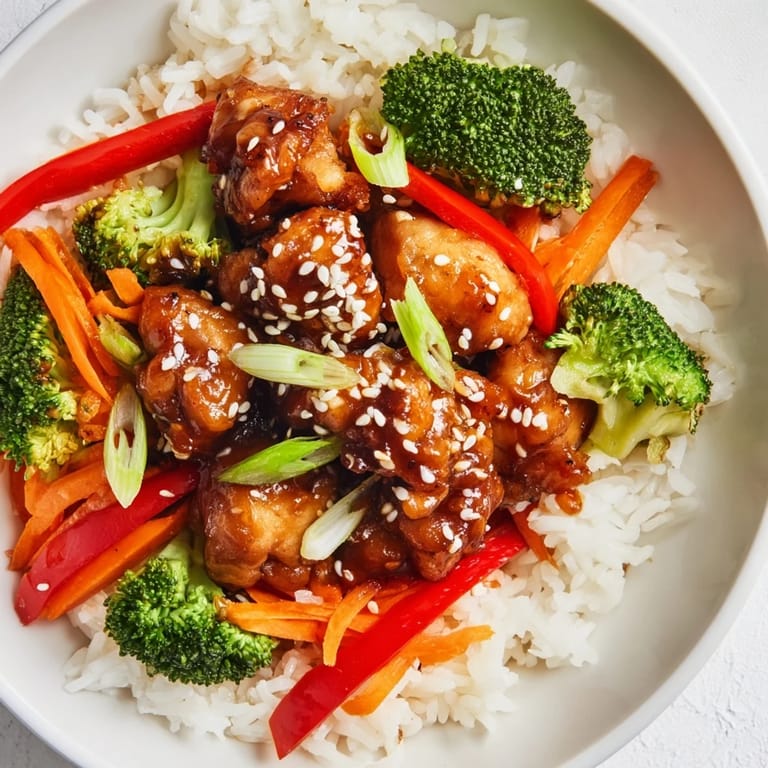
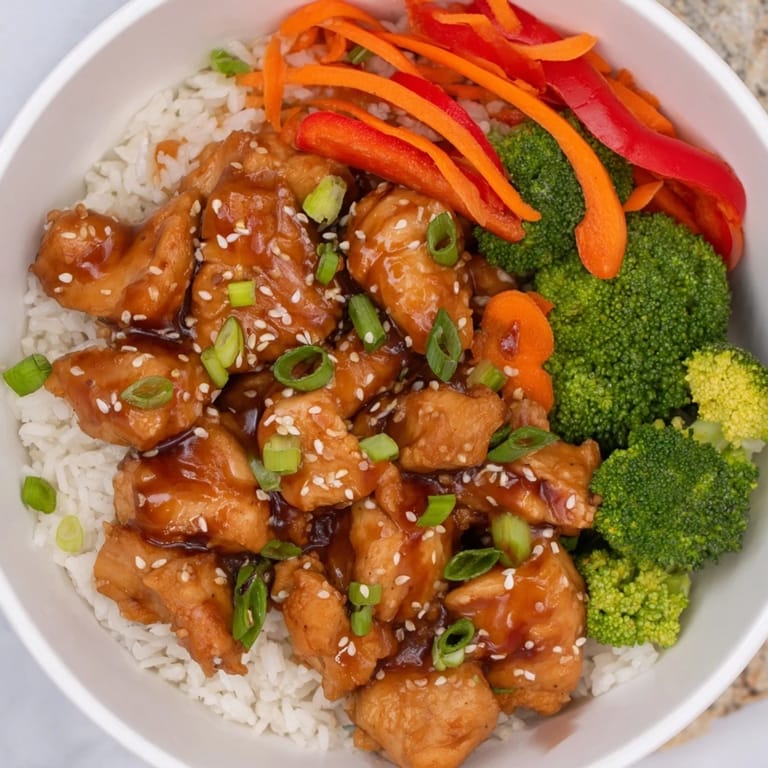
I made this for a potluck once and brought it in a beautiful bowl with sesame seeds scattered on top, and three different people asked me where I ordered it from. That moment—when someone assumes good food must come from a restaurant—is when I knew this recipe had become a keeper. Now it's what I make when I want to feel accomplished without the stress, or when I'm feeding people who actually matter.
Ingredients
- Chicken thighs, cut into bite-sized pieces: Thighs stay juicy in a way chicken breast sometimes doesn't, and they're actually cheaper—I learned this the hard way after years of buying breast meat and wondering why it turned out dry.
- Low-sodium soy sauce: The low-sodium version lets the other flavors breathe instead of tasting like pure salt, and it gives you room to season more intentionally.
- Mirin: This sweet rice wine is what makes the sauce glossy and smooth; there's no real substitute, so don't skip it or swap it for sugar.
- Honey or maple syrup: Either works beautifully, though honey gives you a slightly cleaner sweet note if you have it on hand.
- Rice vinegar: The brightness this brings cuts through the sweetness and keeps everything balanced instead of cloying.
- Fresh ginger and garlic: Minced small so they melt into the sauce rather than creating chunks—this is worth grating ginger fresh instead of using paste.
- Jasmine or short-grain rice: Jasmine rice is slightly more fragrant and forgiving if you're nervous about rice cooking, but short-grain works just as well.
- Fresh vegetables: Broccoli, carrots, and bell pepper bring color and crunch, but you can swap these for whatever needs using in your fridge.
- Sesame seeds and spring onions: These are optional but they're the difference between "nice dinner" and "I feel fancy."
Tired of Takeout? 🥡
Get 10 meals you can make faster than delivery arrives. Seriously.
One email. No spam. Unsubscribe anytime.
Instructions
- Rinse and start the rice:
- Run cold water over the rice until it stops looking cloudy and the water runs clear—this removes excess starch so the rice stays fluffy instead of gummy. Get it simmering while everything else happens so it's ready exactly when you need it.
- Prep the vegetables:
- Steam or blanch broccoli, carrots, and bell pepper for just 3–4 minutes until they still have some bite. The idea is tender-crisp, not soft, because they'll hold their shape beautifully when you're eating them cold from a container days later.
- Mix the sauce:
- Whisk soy sauce, mirin, honey, rice vinegar, cornstarch, water, minced garlic, and grated ginger in a small bowl until completely smooth. The cornstarch will thicken everything as it heats, so don't worry if it looks thin right now.
- Cook the chicken:
- Heat oil in a large skillet over medium-high heat and season your chicken pieces with salt and pepper. Let them cook undisturbed for the first few minutes so they get properly golden before you stir, which takes about 5–6 minutes total until they're cooked through.
- Add the sauce and thicken:
- Pour the sauce over the hot chicken and stir constantly for 2–3 minutes, watching as it transforms from liquid to this beautiful glossy coating that clings to every piece. You'll know it's ready when it looks thick enough to coat a spoon.
- Assemble and store:
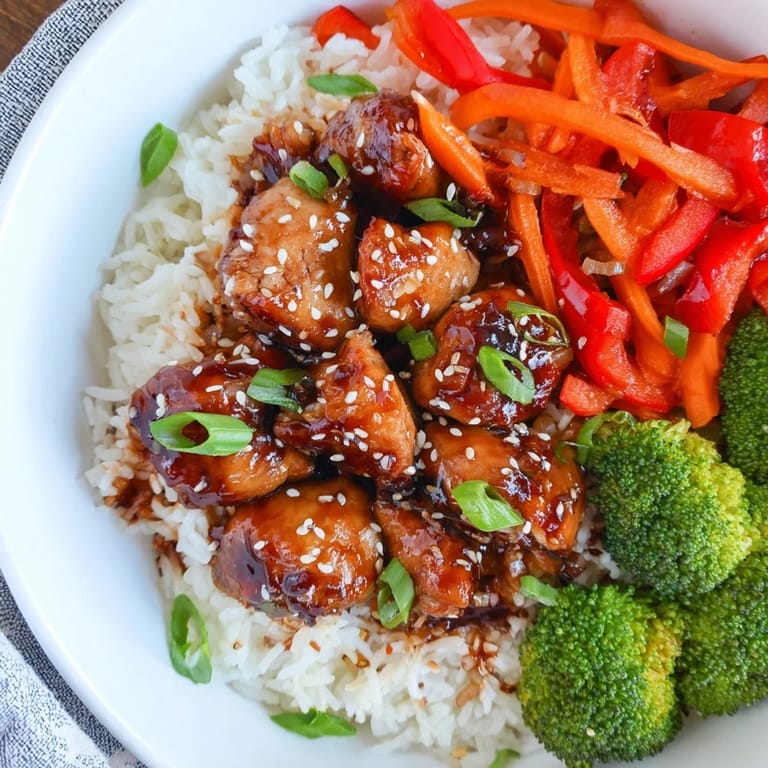
- Divide rice among containers, top with teriyaki chicken and vegetables, then scatter sesame seeds and spring onions if you're using them. Let everything cool completely before you seal the containers, then refrigerate for up to four days—the flavors actually get better as they sit.
 Save to Pinterest
 There's something deeply satisfying about opening your fridge on a Wednesday morning when you're tired and knowing that something delicious and homemade is already waiting for you. That's when this dish transforms from just a recipe into something that actually changes how you eat during busy weeks.
Why This Works for Meal Prep
Unlike some dishes that get soggy or sad after a day in the fridge, teriyaki chicken actually improves because the sauce fully settles into the chicken and vegetables, making every bite taste like it was meant to be eaten this way. The rice stays separate enough that it doesn't turn into porridge, and the whole meal reheats beautifully in the microwave or eaten cold if that's what you're in the mood for. I've eaten this at my desk, at picnics, and straight from the container on my couch, and it holds up every single time.
Flavor Swaps That Actually Work
Once you understand how this sauce comes together, you can play with it—less honey makes it more savory, more ginger makes it spicier, and adding a tiny pinch of red pepper flakes creates this interesting heat that doesn't overpower everything. I've also made versions with pineapple juice instead of some of the mirin for a slightly tropical twist, or added a teaspoon of sesame oil right at the end for deeper richness. The bones of the recipe stay the same, but you can make it your own.
Beyond the Basic Bowl
This sauce is so good that I've started using it on other proteins and vegetables—it's incredible on salmon, pork tenderloin, or even roasted tofu if you're cooking for vegetarian friends. The vegetables can be whatever you want: edamame adds extra protein and chew, snap peas bring sweetness, or mushrooms give you umami on top of umami. You could even serve this over noodles instead of rice, or use it to fill lettuce wraps if you're looking for something lighter.
- Try adding a splash of sriracha or a pinch of white miso paste to the sauce for complexity that makes people ask what your secret ingredient is.
- Toast the sesame seeds yourself in a dry pan for one minute if you have time—they taste exponentially more fragrant and nutty than pre-toasted.
- If you're making this for guests, prep everything the morning of but don't cook the sauce until they're almost at your door, so it's glossy and fresh.
 Save to Pinterest
 This is the kind of recipe that quietly becomes part of your rotation, the one you make when you want to feel like you're taking care of yourself or impressing someone without making a huge fuss about it. It's honest food that tastes like love spent forty-five minutes in your kitchen.
Recipe Questions & Answers
- → What type of rice works best with this dish?
Jasmine or short-grain rice is ideal for its fragrant aroma and sticky texture, complementing the teriyaki flavors well.
- → How can I make the vegetables crisp-tender?
Steam or blanch broccoli, carrots, and bell peppers for 3–4 minutes until they are just tender but still retain a slight crunch.
- → Can I use chicken breast instead of thighs?
Yes, chicken breast works well though thighs offer more juiciness and flavor. Adjust cooking time to avoid drying out.
- → How do I thicken the teriyaki sauce?
Mix cornstarch with water to create a slurry and add it to the sauce while cooking, stirring until it thickens and coats the chicken.
- → What are good garnish options?
Toasted sesame seeds and sliced spring onions add texture and freshness, enhancing the dish visually and flavor-wise.
- → Is this dish suitable for gluten-free diets?
Use gluten-free tamari instead of regular soy sauce to make the dish gluten-free without sacrificing flavor.