 Save to Pinterest
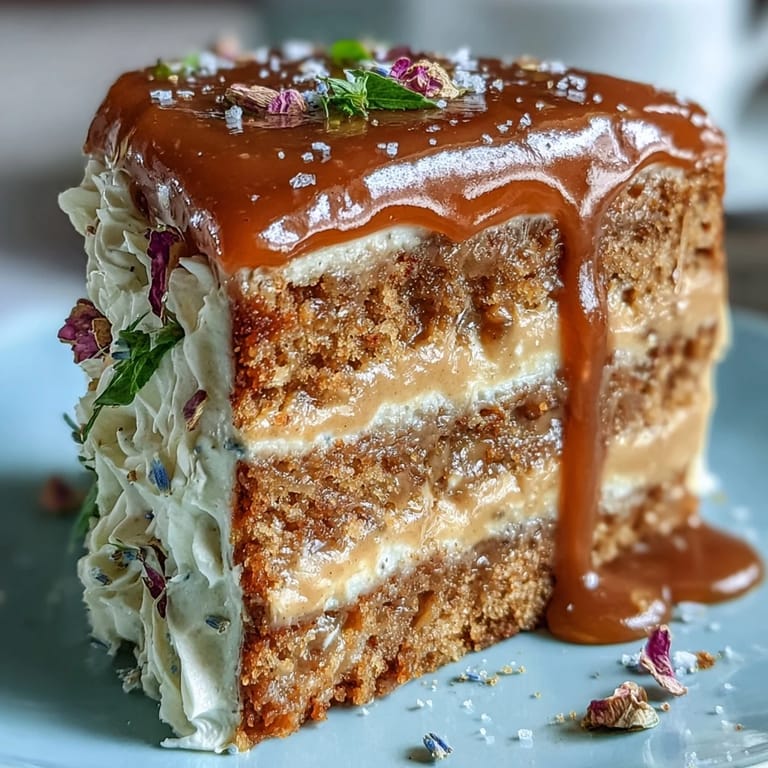
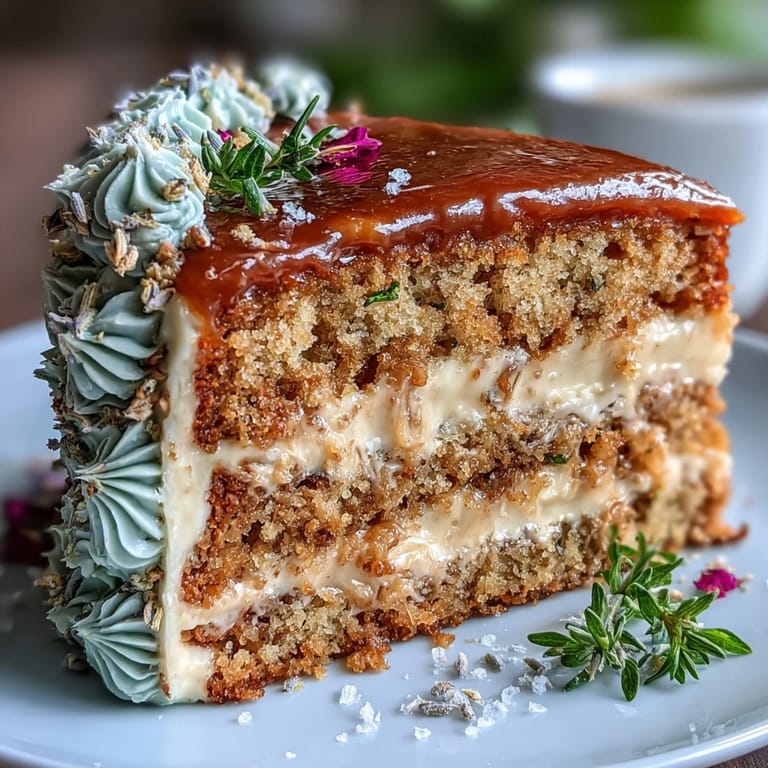
 The scent of brown sugar melting into butter always makes me pause, even on the busiest day. One afternoon, curious about the calm qualities of Taurus season, I started tinkering with flavors that felt grounded but a little romantic. After one trial, my kitchen looked like a florist had paid a visit and the air was sweet with caramel and flowers. Luckily, what emerged was a cake that looked and tasted like an earthy celebration. Baking it felt less like following a recipe and more like arranging a spring bouquet—unexpected bits of color and aroma everywhere.
Last year, I brought this Taurus Cake to a friend's zodiac birthday picnic. Wind plucked fragrant herbs from the decoration and sent a few petals fluttering across the icing, and everyone wanted to know which flowers were safe to nibble. Watching people tiptoe between admiration and devouring big slices made me realize: even grown-ups adore cake that's both playful and grown-up.
Ingredients
- All-purpose flour: Sifting well keeps the cake tender—a quick tip I learned after wrestling with a lumpy batter once.
- Baking powder & baking soda: Both are needed to balance the richness of the butterscotch and ensure a good rise.
- Unsalted butter: Bring it fully to room temp for effortless creaming and a lighter crumb.
- Brown sugar: Choose dark for deeper molasses flavor; packing it into the cup unlocks that extra caramel warmth.
- Eggs: Room temperature makes them blend evenly; crack them into a separate bowl to spot any bits of shell.
- Vanilla extract: Adds depth and rounds out the floral notes in the buttercream.
- Sour cream or yogurt: Either keeps the layers supersoft—swap in yogurt if you like a little tang.
- Whole milk: Balances the batter's texture, and the richness echoes the creamy filling.
- Butterscotch sauce: Cool it completely before adding, so the batter stays fluffy rather than dense.
- Powdered sugar: Sift before beating into butter to avoid a gritty buttercream.
- Rose water & dried lavender: Start with small amounts—a little goes a long way with florals!
- Natural colorants: Matcha, beet powder, cocoa powder, turmeric, or spirulina offer subtle earthy colors and complexity without artificial hues.
- Edible flowers & fresh herbs: Be sure they’re safe to eat and unsprayed; a scatter goes further than you imagine for visual drama.
- Gold leaf/dust: Totally optional, but a little shimmer never hurt a celebration cake.
Tired of Takeout? 🥡
Get 10 meals you can make faster than delivery arrives. Seriously.
One email. No spam. Unsubscribe anytime.
Instructions
- Prep the cake pans:
- Line each with parchment, running your finger along the edges so nothing sticks and the layers release with ease.
- Make the butterscotch sauce:
- Melt butter gently and swirl in brown sugar—inhale the caramel aroma—then add cream and stir until velvet-smooth. Let it cool completely; patience pays off with a glossy, pourable sauce.
- Mix the dry ingredients:
- Whisk flour, baking powder, baking soda, and salt in a big bowl, creating a snowstorm of softness over your kitchen counter.
- Cream butter and sugar:
- Beat until the mixture almost turns pale and fluffy, listening for the change in hum from your mixer.
- Add eggs and vanilla:
- Crack eggs in one at a time, watching the mixture thicken, then swirl in vanilla until it smells dreamy.
- Stir in sour cream and butterscotch:
- Blend gently, resisting the urge to overmix, a lesson learned after my first attempt baked up dense.
- Alternate flour and milk:
- Add a scoop of flour mix, then pour in a little milk, repeating until just combined for a batter that almost shivers.
- Bake the cakes:
- Divide between pans, slip into the oven, and bake until golden and springy; the aroma draws sleepwalkers to the kitchen.
- Cool the cakes:
- Let them rest in their pans before turning onto racks and allow to cool completely so icing won’t melt away.
- Make the buttercream:
- Whip butter fluffy, paddle in powdered sugar, then add milk and florals—taste the magic and split into small bowls for coloring.
- Tint and swirl:
- Add pinches of natural colorants to achieve a palette of earthy greens, pinks, browns, and golds; swirl with a spatula for a marbled effect.
- Layer and frost:
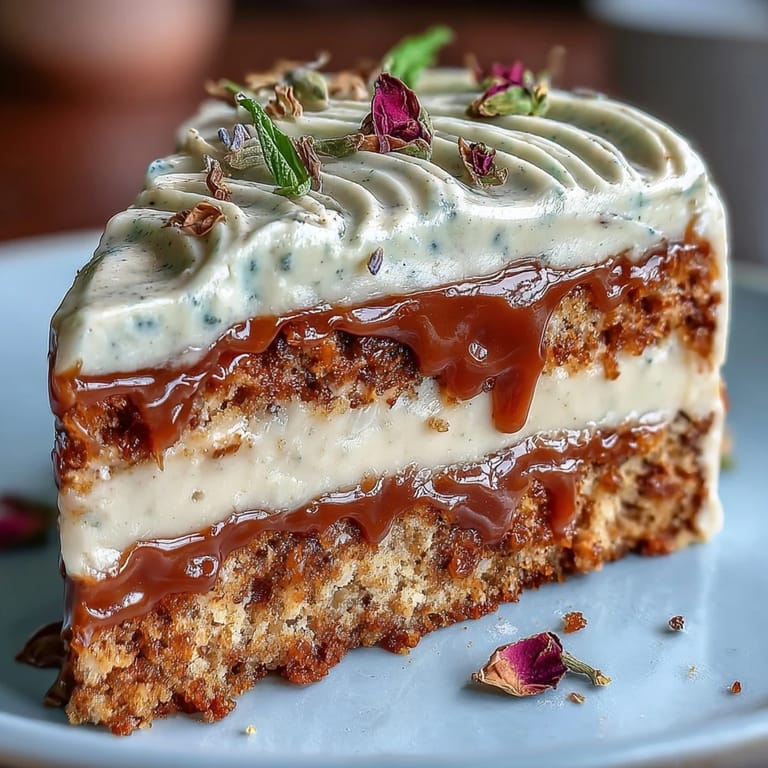
- Spread buttercream between each cake layer and finish with a dreamy, swirling top—don’t worry about perfection.
- Decorate:
- Scatter edible flowers and herbs along the top, pressing in gently, and dot with gold leaf if the mood strikes.
 Save to Pinterest
 One spring, I watched my niece sneak a tiny pansy off the top and pop it into her mouth, giggling and insisting it tasted like the color purple. In that moment, this floral cake became more than a centerpiece—it became a shared discovery that food could be as colorful and surprising as a garden in bloom.
Choosing and Using Edible Flowers
Edible flowers transform your cake but always double-check their source and variety since not all blooms are safe. I now keep a little guide on the fridge and use scissors to trim stems right before decorating for the freshest look. A gentle press into the frosting secures each petal without wilting them. I love contrasting bright pansies with the deep purple of violets or a single sprig of rosemary for a whisper of alpine scent.
Getting the Earth-Tone Buttercream Just Right
The first time I tried mixing matcha with powdered sugar, I overdid it and ended up with buttercream that tasted more like grass than cake. Now I add color in the tiniest pinches, swirling just enough to bring out subtle streaks rather than a solid block of color. Letting each tinted batch sit for a few minutes helps the shade deepen naturally. Swirling with an offset spatula in wide arcs creates that marbled, earthy effect with less effort than you think.
Make-Ahead and Serving Tips
When I’m rushed, I bake the layers the night before and wrap them in cling film—flavors mellow and the cake cuts cleaner the next day. If you plan to use delicate flowers, decorate shortly before serving to keep them perky. For birthdays or garden parties, arrange candles among the flowers and let each guest pluck their favorite bloom.
- Keep leftovers (if any) loosely covered at room temp or refrigerate due to fresh flowers.
- Pair gently with floral tea for a cozier vibe.
- Remember to slice with a hot knife for picture-perfect layers.
 Save to Pinterest
 There’s a quiet joy in watching friends marvel at this cake’s colors and flavors, and it’s a reminder that celebrating the earthy spirit of Taurus can be a creative—and tasty—affair. May your baking be filled with color, calm, and a touch of wonder.
Recipe Questions & Answers
- → Can I make the butterscotch sauce ahead of time?
Yes. Cool completely, store in an airtight container in the fridge for up to 5 days. Gently rewarm and stir before folding into the batter; bring to room temperature to avoid curdling when mixed.
- → How do I get even cake layers?
Weigh or divide batter evenly between pans, tap to release air, and use an oven thermometer for consistent heat. Rotate pans halfway through baking and test with a toothpick for doneness.
- → What can I use instead of rose water?
Substitute orange blossom water or use vanilla extract for a milder floral note. Reduce concentrated extracts to taste so they don't overpower the buttercream.
- → How should I use natural colorants without affecting texture?
Use powdered colorants (matcha, beet, cocoa, turmeric, spirulina) sparingly and mix into small buttercream portions. Add liquid slowly and adjust powdered sugar if needed to maintain consistency.
- → How long does the finished cake keep?
Store covered at room temperature up to 3 days. If using fresh flowers or warmer conditions, refrigerate; allow cake to return to room temperature before serving for best texture.
- → Can I freeze the layers ahead of time?
Yes. Cool layers completely, wrap tightly in plastic and foil, and freeze for up to 2 months. Thaw in the fridge overnight, then bring to room temperature before decorating.