 Save to Pinterest
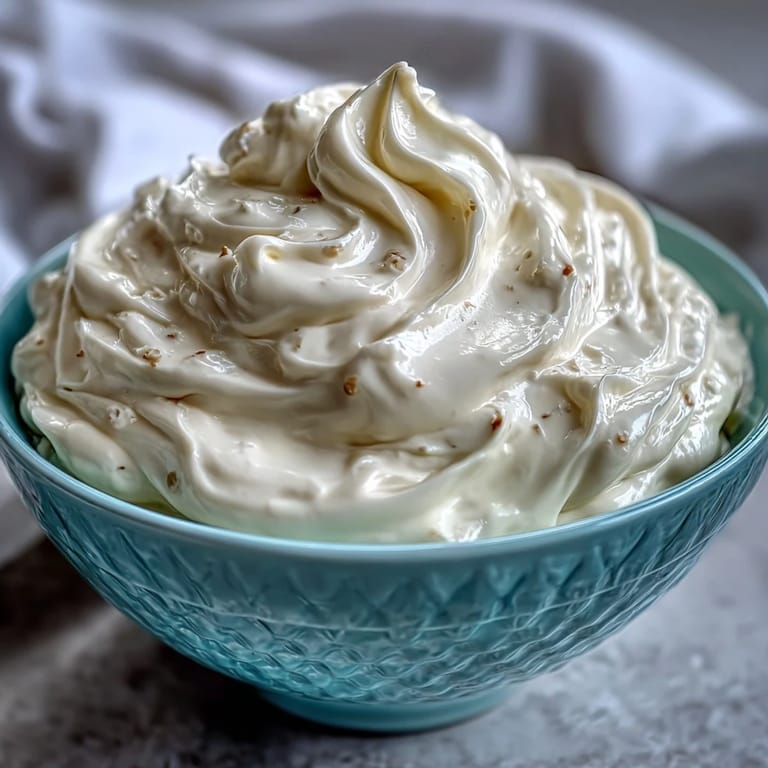
 The first time I made homemade mayonnaise, the kitchen filled instantly with the sharp aroma of Dijon mustard and a subtle tang of vinegar. It felt almost magical watching a few humble ingredients turn creamy right before my eyes. There were birds chirping outside the window, and I remember laughing at how a simple immersion blender could transform my sandwich game so completely. It was a spur-of-the-moment experiment, and I hadn't expected to fall in love with such a basic staple. Even now, the sound of the blender whirring brings back that memory every time.
I whipped up a batch for a small lunch gathering last spring, and my best friend couldn't believe it was homemade. We joked about mayo being 'food glue' while assembling sandwiches, but the taste told a different story: bright, rich, and nothing like the store-bought kind. Even the quietest guest went for seconds, sneaking extra onto her plate. That afternoon, the kitchen felt cozy and collaborative, with everyone pitching in for the next batch. It turned into an impromptu condiment taste test that lasted all afternoon.
Ingredients
- 1 large egg (room temperature): The egg is the foundation of the emulsion and makes for silkier, sturdier mayo — just be sure it's not too cold or the mixture won't blend smoothly.
- 1 tablespoon Dijon mustard: Dijon gives depth and a gentle punch; whisk it in for a more complex flavor, and don't be shy about switching to whole grain for a twist.
- 1 tablespoon white wine vinegar or lemon juice: The acid here cuts through the richness — lemon juice gives brightness, while vinegar adds a classic tang; I've learned to taste just a drop before committing.
- 1 cup (240 ml) neutral oil (such as sunflower, canola, or light olive oil): Oil is what makes or breaks the texture; I stick to neutral kinds so the flavor isn't overwhelming, but olive oil lends a bolder personality if you're feeling adventurous.
- 1/2 teaspoon fine sea salt: Seasoning balances and lifts the ingredients; sprinkling it right before blending ensures even distribution.
- 1/4 teaspoon freshly ground black pepper (optional): Black pepper is optional, but a touch adds peppery warmth — grind it fresh for the best kick.
Tired of Takeout? 🥡
Get 10 meals you can make faster than delivery arrives. Seriously.
One email. No spam. Unsubscribe anytime.
Instructions
- Get Everything Ready:
- Gather all the ingredients and ensure the egg is at room temperature — this simple step sets you up for mayo success.
- Layer and Pour:
- Add the egg, mustard, vinegar or lemon juice, salt, and pepper into your tall blending container; pour the oil right on top in one gentle motion.
- Start Blending:
- Lower the immersion blender straight to the bottom; listen for the soft hum as you switch it on and watch as creamy pockets start to form.
- Emulsify:
- Hold the blender still for around 10 seconds until the base thickens and turns pale; this is where magic happens — don't rush it.
- Incorporate Oil:
- Gently move the blender up and down to pull all the oil into the mix, blending until everything looks thick and velvety, about 30 seconds.
- Taste and Adjust:
- Scoop out a little onto a spoon — adjust salt, vinegar, or lemon juice to your preference before sealing it up.
- Store Properly:
- Transfer your finished mayo to a clean jar, secure the lid, and chill in the fridge; use within a week for peak freshness.
 Save to Pinterest
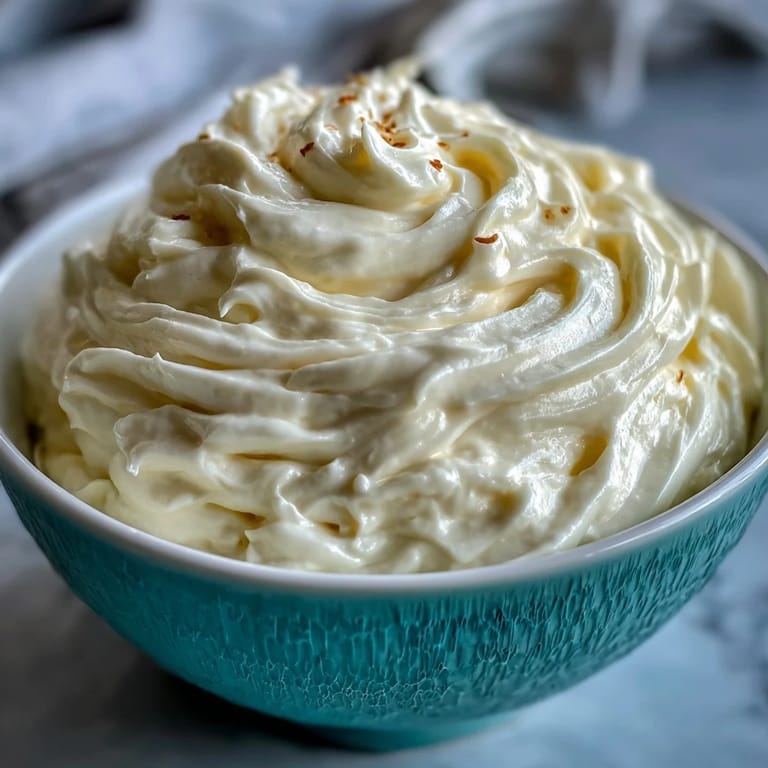
 One summer, I made this recipe for my cousin's backyard barbecue. The jar of mayo sat beside fresh tomatoes and smoky grilled meat, and people kept asking for the recipe between bites. It felt good to watch everyone savor something homemade; that creamy dollop made every burger extra special.
Customizing Your Mayonnaise
When I started playing with flavors, a dash of smoked paprika or a spoonful of chopped herbs turned ordinary mayo into something unforgettable. Even a roasted garlic clove blended in changes everything, so don't hesitate to experiment. Homemade mayonnaise is your blank canvas for whatever you're craving. Each tweak brings new possibilities, whether spicy, citrusy, or herb-flecked. Let yourself try out weird ideas — some end up as family favorites.
Safe Storage and Serving Tips
One lesson I've learned: always use a clean spoon when scooping mayo, and refrigerate it promptly. Mayonnaise can spoil quickly if left out, so I never risk it — that way, the batch stays fresh longer. If you're nervous about raw eggs, pasteurized eggs are a smart swap and don't change the taste. A glass jar with a tight seal makes a big difference in keeping the mayo creamy and safe. Freshness is key: when it smells too eggy or watery, it's time to say goodbye.
Troubleshooting and Quick Fixes
If your mayonnaise separates, don't panic — it's fixable. Sometimes, blending in a teaspoon of boiling water restores the emulsion. If things look oily instead of creamy, try adding an extra dash of mustard and giving the blender another whirl. Keep experimenting — even if the first batch goes sideways, it's a quick lesson for next time.
- If it's too runny, blend in a little more mustard or egg yolk.
- Store in smaller jars so you can use a fresh batch each time.
- Adjust acid and seasoning at the end, not before.
 Save to Pinterest
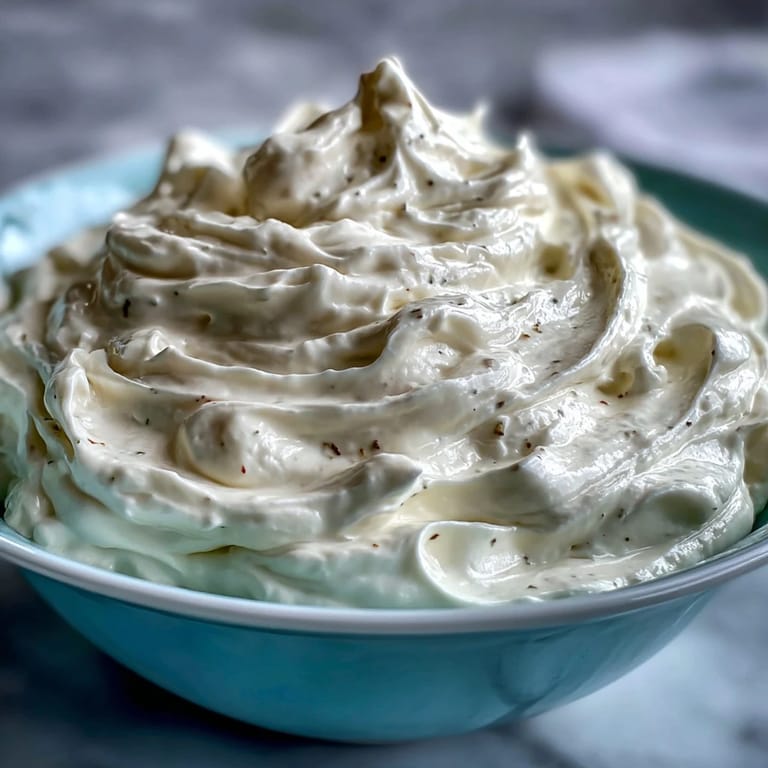
 Every batch of mayonnaise is a small celebration of kitchen creativity — even if you have to taste test a few times before settling in. Homemade always tastes better, and your quick 5 minutes will earn a smile at your next meal.
Recipe Questions & Answers
- → What oil works best for homemade mayonnaise?
Neutral oils like sunflower, canola, or light olive oil yield a smooth, mild flavor and creamy consistency.
- → How do I avoid mayonnaise separating?
Start blending from the bottom of the container and slowly move the immersion blender upward until all oil is incorporated.
- → Can I add extra flavors to homemade mayonnaise?
For tang, add more vinegar or lemon juice. For aioli, blend in a garlic clove. Fresh herbs can also be mixed in.
- → How long does homemade mayonnaise last in the fridge?
Store in a sealed jar and refrigerate. Use within one week for best freshness and safety.
- → Are there alternatives to raw eggs for mayonnaise?
Use pasteurized eggs if raw egg safety is a concern. They offer the same texture and flavor.
- → Is homemade mayonnaise suitable for certain diets?
This condiment is vegetarian and gluten-free. Always check ingredient labels for allergy considerations.