 Save to Pinterest
 There's a particular Friday night I keep coming back to, when a friend brought a carton of fresh porcini mushrooms to my kitchen and insisted we make something worthy of them. I'd made risotto before, but never with that kind of intention—the kind where you're not rushing, where every stir feels like conversation. That evening taught me that risotto isn't fussy; it's just patient, and the reward is a bowl of creamy, luxurious rice that tastes like you've been cooking all day when really it's been less than an hour.
I made this for my partner on a quiet Sunday, and I remember how the kitchen filled with this earthy, almost sweet smell as the mushrooms released their moisture and caramelized slightly. By the time I finished the last ladle of broth, they were hovering nearby with two spoons and a knowing smile. That's when I realized risotto isn't really about the ingredients—it's about slowing down enough to notice what's happening in the pan.
Ingredients
- Arborio rice: This short-grain rice releases starch as it cooks, creating that signature creamy texture you can't get with regular rice—don't skip it or swap it lightly.
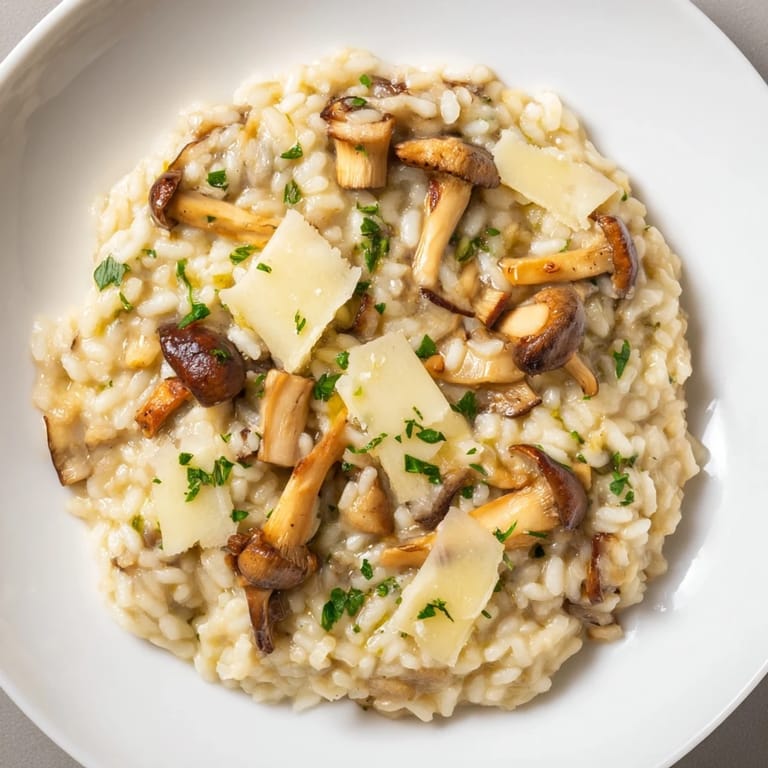
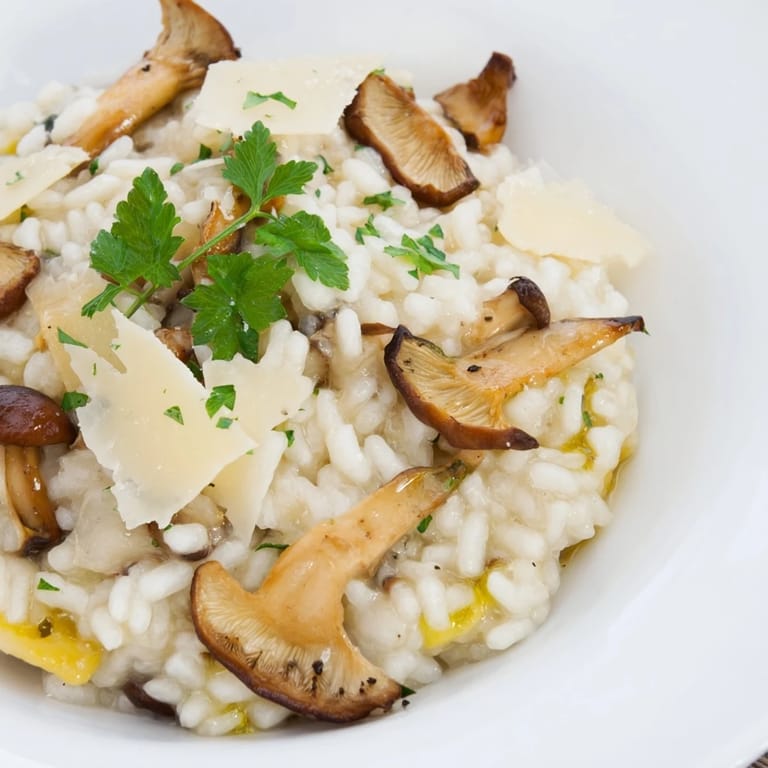
- Mixed wild mushrooms: Cremini, shiitake, and porcini all bring different flavors; the mix keeps things interesting and layered.
- Vegetable broth: Keep it warm in a separate pot so each addition slides in smoothly without shocking the rice.
- Dry white wine: It adds acidity and brightness that cuts through the richness beautifully.
- Butter and Parmesan: These two, added at the end, are what turn it from good to silky and luxurious—this is the moment that matters most.
Tired of Takeout? 🥡
Get 10 meals you can make faster than delivery arrives. Seriously.
One email. No spam. Unsubscribe anytime.
Instructions
- Build your base:
- Heat the olive oil and butter in a large skillet and sauté the onion until it turns translucent and soft. This is your flavor foundation, so don't rush it; when it's ready, add the garlic and let it bloom for a minute.
- Caramelize the mushrooms:
- Add all those mushrooms and let them sit undisturbed for a minute or two before stirring. They'll release their water, then reabsorb it as they turn golden and concentrate in flavor—patience here pays off.
- Toast the rice:
- Stir the Arborio rice into the mushroom mixture and let it cook for a minute or two until you hear a subtle clicking sound and smell that toasted, nutty aroma. This seals the grain and keeps it from getting mushy later.
- Deglaze with wine:
- Pour in the white wine and stir constantly as it absorbs. The rice will smell bright and a little tangy—this is exactly right.
- Add broth, one ladle at a time:
- This is the rhythm of risotto: add warm broth, stir frequently, and wait until it's mostly absorbed before adding more. Keep going for about 18 to 20 minutes, tasting as you go—you're looking for rice that's creamy on the outside but still has a slight firmness in the center when you bite it.
- Finish with grace:
- Remove from heat and quickly stir in cold butter cubes and Parmesan cheese, then most of the parsley. The cold butter and cheese melt in and create this incredible glossy, creamy texture—it's called mantecatura, and it's the secret.
- Rest and serve:
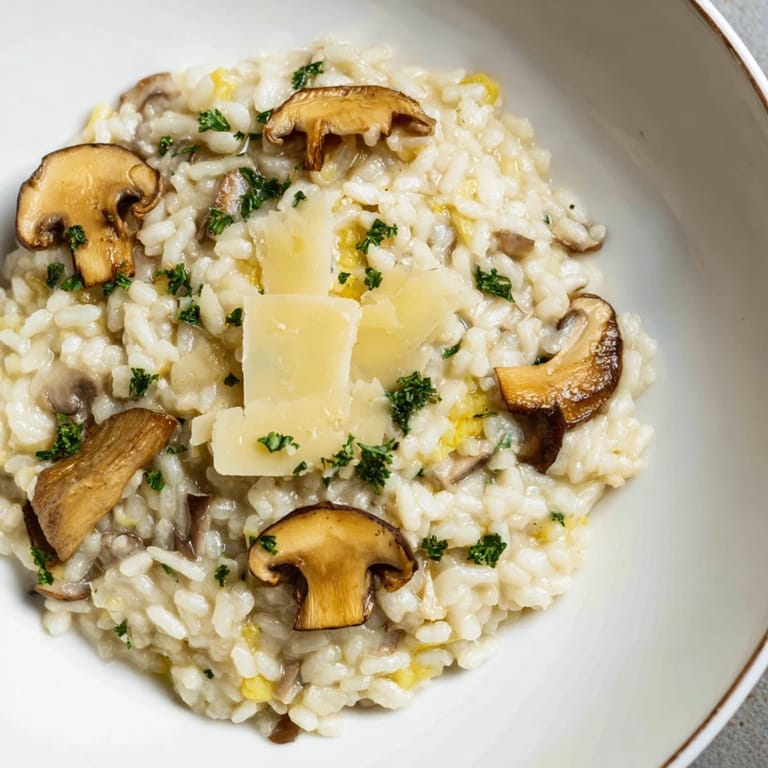
- Let it sit for two minutes so everything settles, then transfer to warm bowls and top with the last of the parsley and more Parmesan.
 Save to Pinterest
 There was a moment, maybe three minutes before serving, when I tasted it and felt that shift—the rice was no longer just rice, it was silk. That's when I understood why people talk about risotto the way they do. It's not actually difficult; it's just deliberate.
The Art of Mushroom Selection
The mushrooms you choose really shape the dish. I've learned to buy them on the drier side because they'll release moisture as they cook, and if they start wet, they'll steam instead of sauté. A mix always works better than just one type—cremini bring earthiness, shiitake add a slight woodiness, and if you can find fresh porcini, they're almost sweet. If you're feeling adventurous, soak a handful of dried porcini while you're prepping everything else, then chop them fine and add them to the pan; the soaking water, strained and added to your broth, deepens everything.
Why the Constant Stirring Matters
I used to think constant stirring was just tradition, but I've come to see it as essential. Every time you stir, you're gently agitating the rice grains, helping them release starch into the liquid, which is what creates that creamy sauce without any cream at all. It also keeps the rice from sticking to the bottom and ensures even cooking. The stirring becomes meditative if you let it—some of my best thinking happens with a wooden spoon in my hand.
Wine, Broth, and the Balance of Flavors
The white wine is there for a reason—it adds brightness and acidity that keeps risotto from feeling heavy, even with all that butter and cheese going in at the end. I've tried skipping it, and the dish tastes flat. The type of broth matters too; a vegetable broth with real depth makes a difference, so if you have time, taste it before you commit it to the rice. Some people swear by using half vegetable and half mushroom-soaking liquid for an extra layer of umami, and they're not wrong.
- If you don't have dry white wine, a splash of lemon juice in the broth works in a pinch.
- Vegetable broth and chicken broth are interchangeable here, depending on your diet and what you're serving it with.
- Save any leftover risotto—it reheats gently with a splash of broth and tastes almost as good the next day.
 Save to Pinterest
 This risotto has become one of those dishes I make when I want to feel like I've done something thoughtful in the kitchen. It's a quiet accomplishment, really, turning simple ingredients into something that tastes like celebration.
Recipe Questions & Answers
- → What type of rice is best for this dish?
Arborio rice is ideal due to its high starch content, which results in a creamy and tender texture while maintaining firmness.
- → Can I use other mushrooms instead of wild varieties?
Yes, common mushrooms like cremini, button, or shiitake can be used, but wild mushrooms add a richer, earthier flavor.
- → How do I achieve the creamy consistency characteristic of this dish?
Slowly adding warm broth while stirring frequently allows the rice to release starch, creating a smooth and creamy texture.
- → Is it necessary to use white wine in the preparation?
White wine enhances depth of flavor and acidity, but it can be omitted or replaced with broth for a milder profile.
- → What garnishes complement this dish best?
Freshly chopped parsley and extra grated Parmesan add freshness and savory notes to finish the dish elegantly.