 Save to Pinterest
 There's something about the sizzle of shrimp hitting hot oil that makes a weeknight feel special. I discovered this honey garlic combination on a Tuesday when I had twenty minutes and hungry people coming over, so I threw together what seemed like an unlikely pair—the sweetness of honey with the punch of garlic and ginger. The first batch was too salty, the second too sweet, but by the third try, something magical happened. Now it's the recipe I reach for when I need to feel like I'm pulling off something impressive without actually breaking a sweat.
I made this for my sister who claimed she didn't like seafood, and she ate two helpings before I even sat down. That night, watching someone discover they actually love something they thought they didn't, all because of a simple skillet and a good sauce—that's when I realized this recipe was worth keeping around. She still asks me to make it every time she visits.
Ingredients
- Large shrimp, peeled and deveined: 1 lb (450 g) with tails on or off—honestly, tails on look prettier, but the choice is yours depending on your vibe that night.
- Kosher salt: 1/2 tsp to season the shrimp itself, and this matters because underseasoned protein is the real kitchen crime.
- Black pepper: 1/4 tsp, freshly ground if you care, pre-ground if you're real life.
- Honey: 1/3 cup (80 ml) as your sauce base—this is the sweet part of the story.
- Low-sodium soy sauce: 1/4 cup (60 ml) because high-sodium will turn this into a salty situation real quick.
- Garlic cloves, minced: 4 cloves, and this is where the soul of the dish lives.
- Fresh ginger, grated: 1 tbsp to cut through the sweetness and add warmth.
- Rice vinegar: 1 tbsp (optional) but I use it because balance tastes better than extremes.
- Crushed red pepper flakes: 1/2 tsp (optional) if you want a little heat to keep things interesting.
- Vegetable oil or sesame oil: 1 tbsp for cooking, and sesame oil will make your kitchen smell like a very good decision.
- Green onions, thinly sliced: 2 tbsp for freshness and the fact that garnishes matter.
- Toasted sesame seeds: 1 tsp (optional) for a subtle nod that you know what you're doing.
- Steamed rice or cooked noodles: for serving because the sauce deserves somewhere to land.
Tired of Takeout? 🥡
Get 10 meals you can make faster than delivery arrives. Seriously.
One email. No spam. Unsubscribe anytime.
Instructions
- Mix your sauce first:
- In a medium bowl, whisk together the honey, soy sauce, minced garlic, grated ginger, rice vinegar, and red pepper flakes until everything's combined and looks glossy. This is your head start, and it means you're not scrambling once the heat is on.
- Dry and season the shrimp:
- Pat your shrimp completely dry with paper towels—I know it feels fussy, but wet shrimp won't sear properly and the whole point is that golden crust. Toss them with salt and pepper and set them aside for a minute.
- Get your skillet hot:
- Heat your oil in a large skillet over medium-high heat until it shimmers, which is the signal that you're ready for sizzle.
- Cook the shrimp in batches:
- Add your shrimp in a single layer—don't pile them on top of each other or they'll steam instead of sear—and cook for 1 to 2 minutes per side until they just start turning pink. If you need to work in batches because your pan feels crowded, do that; rushed shrimp is never worth it.
- Add the sauce and finish:
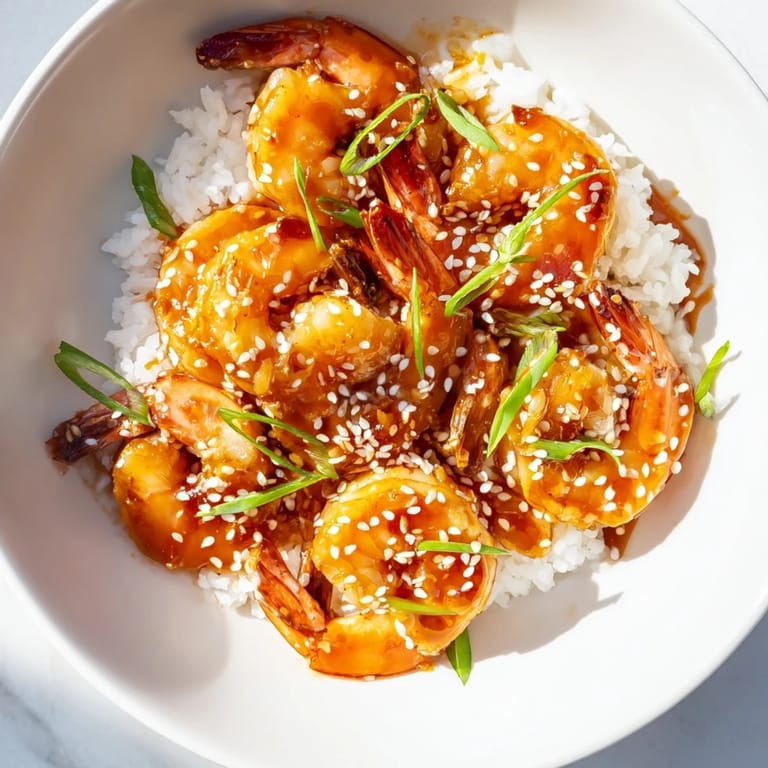
- Pour your sauce over the shrimp and stir gently to coat everything. Let it bubble and thicken for 2 to 3 minutes, and you'll watch the shrimp turn fully opaque and the sauce reduce into something glossy and irresistible.
- Garnish and serve:
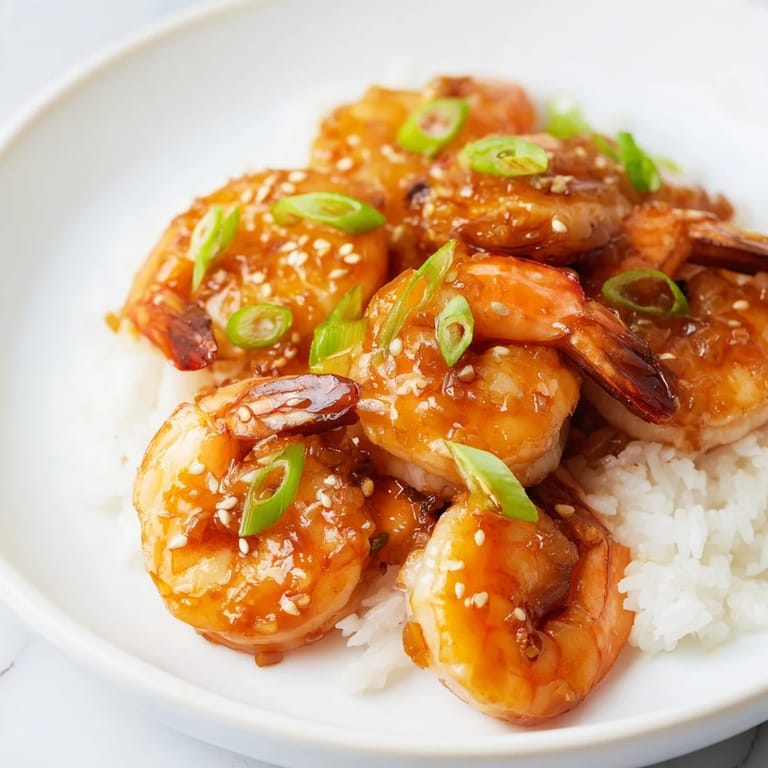
- Remove from heat, scatter your green onions and sesame seeds on top, and serve immediately over rice or noodles while everything's still warm and the sauce is still clinging to every bite.
 Save to Pinterest
 The first time someone asked for the recipe, I almost didn't give it to them because I thought I was the only one who could make it right. Then I realized that sharing good food is better than keeping secrets, and now it's spread to people I've never even met. There's something beautiful about that.
Why This Works So Well
The whole magic here is that you're building a glaze, not a swimming sauce—the honey caramelizes slightly, the soy adds depth, and the garlic and ginger keep it from being too one-note. It's the kind of recipe where every single ingredient pulls its weight, and nothing feels like it's just there for show. That balance between sweet, salty, and spicy is what makes people go quiet when they eat it and ask if you've been secretly taking cooking classes.
Cooking Without Drama
The biggest thing I learned is that this dish doesn't need babysitting once the shrimp hits the pan—that's actually the entire point. You're not julienning vegetables or managing multiple burners; you're just making sure your shrimp doesn't overthink things. The simplicity is the whole reason this works on a Tuesday night when you're tired, and also the reason it's impressive enough for when people are coming over.
What to Serve Alongside
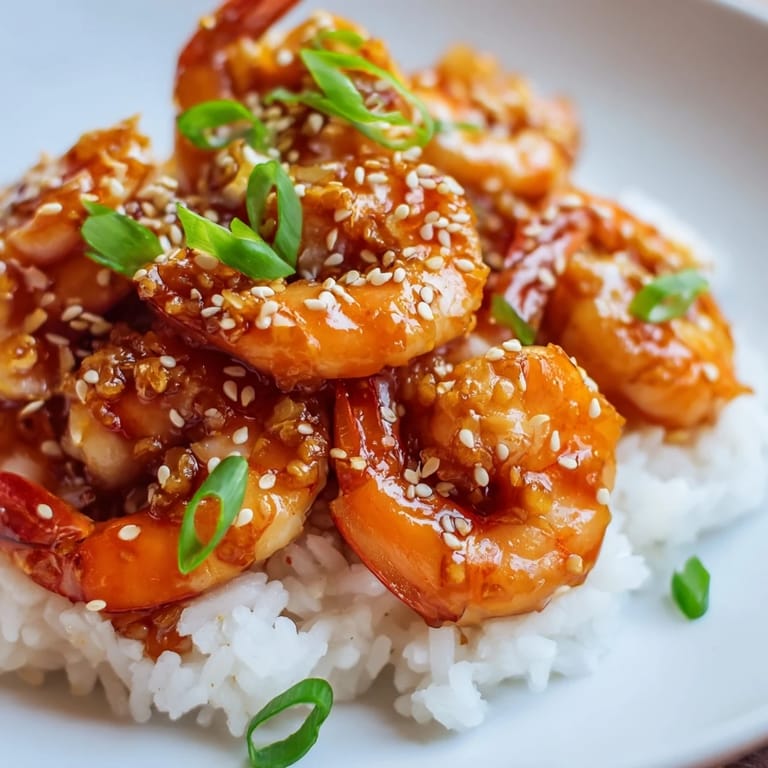
I've served this over steamed rice, over noodles, even in lettuce wraps when I was feeling fancy, and it worked every single time. The sauce is forgiving enough to work with whatever you've got in your kitchen, and I think that's partly why it's become such a regular in my rotation. You could even spoon it over roasted vegetables if you're in that mood.
- Steamed jasmine rice soaks up the sauce like it was made for it.
- Rice noodles give you a lighter feel if that's what you're after.
- A side of sautéed snap peas or broccoli makes it feel more like a full meal without much extra work.
 Save to Pinterest
 This recipe taught me that some of the best dinners are the ones you pull together without overthinking, and that honey and garlic are a pairing that just works. It's been my go-to for nights when I want to feel proud of what I'm cooking without it feeling like work.
Recipe Questions & Answers
- → What type of shrimp works best?
Large peeled and deveined shrimp are ideal for even cooking and easy eating. Tails can be kept on for presentation or removed for convenience.
- → Can I adjust the spiciness?
Yes, including or omitting the crushed red pepper flakes controls the heat level. Start with a small amount if you're sensitive to spice.
- → What’s a suitable oil for cooking?
Vegetable or sesame oil works well. Sesame oil adds a nutty aroma that complements the glaze beautifully.
- → How to serve this dish?
Serve hot over steamed rice or cooked noodles to soak up the flavorful glaze and balance the dish.
- → Any good alternatives to shrimp?
Chicken or tofu can substitute well, adjusting cooking times accordingly to ensure tenderness and flavor absorption.