 Save to Pinterest
 My neighbor brought over a jar of homemade guava paste last summer, and I stared at it for weeks wondering what to do with something so densely sweet and unfamiliar. Then one Saturday morning, while cleaning out my spice cabinet, I lined up smoked paprika, cumin, and cinnamon on the counter and thought, what if this tropical fruit played well with smoke and spice? Two hours later, I had a sauce that tasted like a Caribbean beach collided with a smoky backyard grill, and suddenly that mysterious jar had found its purpose.
I made this sauce for a small dinner party on a humid evening when nobody wanted heavy food, and watching my friends dip grilled vegetables into this sunset-colored glaze, then pause mid-bite with that surprised smile—that's when I knew this recipe was keeper material. Someone asked for the jar to take home, and I realized I'd accidentally created something that felt both a little bit fancy and completely unpretentious.
Ingredients
- Guava paste (1 cup, chopped): The soul of this sauce—buy it in the international aisle, usually near Latin ingredients, and don't skip it or substitute lightly, as it provides the unique tropical backbone nothing else quite replicates.
- Water (1 cup): This becomes your canvas for blending and thickening, so use filtered if you have it, since tap water sometimes carries flavors that interfere.
- Apple cider vinegar (1/3 cup): The acid that prevents this sauce from becoming cloying and keeps it bright; regular vinegar works in a pinch but tastes slightly harsher.
- Yellow onion (1 small, finely chopped): Sauté it until translucent so it dissolves into the sauce rather than leaving chewy bits behind.
- Garlic (3 cloves, minced): Minced small so it distributes evenly throughout and doesn't create harsh pockets of raw flavor.
- Olive oil (1 tablespoon): Just enough to soften the aromatics without making this sauce oily or heavy.
- Smoked paprika (1 tablespoon): This is non-negotiable—regular paprika tastes flat and wan by comparison, so seek out the good stuff.
- Cumin (1 teaspoon, ground): Adds an earthy, slightly nutty complexity that makes people wonder what they're tasting.
- Black pepper (1 teaspoon, ground): Fresh cracked tastes superior, but pre-ground works if you use it within a few months.
- Chili powder (1 teaspoon): This is your heat and depth; adjust up or down depending on your tolerance and mood.
- Allspice (1/2 teaspoon, ground): A warm spice that whispers cinnamon, clove, and nutmeg all at once—absolutely essential to the Caribbean character.
- Cinnamon (1/2 teaspoon, ground): Use Ceylon if you can find it, as it tastes sweeter and less aggressive than the common Cassia variety.
- Salt (1/2 teaspoon): Enhance all the flavors, but taste before you add more since soy sauce also brings saltiness.
- Red pepper flakes (1/2 teaspoon, optional): Skip this if heat bothers you, or double it if you like fire alongside the sweetness.
- Brown sugar (2 tablespoons): Molasses-forward and deeper than white sugar, which makes the sauce taste richer and less one-note.
- Molasses (1 tablespoon): The dark horse ingredient that adds umami and a subtle bitterness that balances the guava's sweetness.
- Dijon mustard (1 tablespoon): A little sharpness that wakes up the palate and keeps everything from tasting too heavy.
- Soy sauce or tamari (1 tablespoon): Umami bomb that rounds out all the spices and makes the sauce taste intentional; use tamari for a gluten-free version.
Tired of Takeout? 🥡
Get 10 meals you can make faster than delivery arrives. Seriously.
One email. No spam. Unsubscribe anytime.
Instructions
- Wake up the aromatics:
- Heat olive oil in a medium saucepan over medium heat, then add chopped onion and let it soften for 3 to 4 minutes—you're looking for that moment when it turns translucent and the kitchen starts smelling less sharp and more sweet. Add the minced garlic and cook for just 1 minute more; any longer and it turns bitter and acrid, which ruins everything downstream.
- Build the guava foundation:
- Pour in the chopped guava paste, water, and apple cider vinegar, stirring constantly until the paste begins to dissolve and the whole thing turns a beautiful sunset color. This takes patience and arm strength, but you'll feel the paste softening and releasing its flavor into the liquid.
- Add the spice orchestra:
- Scatter in smoked paprika, cumin, black pepper, chili powder, allspice, cinnamon, salt, and red pepper flakes (if using), stirring well so nothing clumps and every spice mingles evenly. Close your eyes for a second while stirring and breathe in—that's the aroma of something special happening.
- Round out with sweetness and umami:
- Add brown sugar, molasses, Dijon mustard, and soy sauce, mixing thoroughly until everything is integrated and the sauce looks glossy and unified. This is where the sauce transforms from just fruit and spice into something complex and crave-worthy.
- Let it simmer down:
- Bring the mixture to a gentle simmer, stirring often, then reduce heat to low and cook uncovered for 15 to 20 minutes until it thickens and coats the back of a spoon. The longer it simmers, the deeper the flavors become, but watch it so it doesn't scorch on the bottom.
- Blend it smooth:
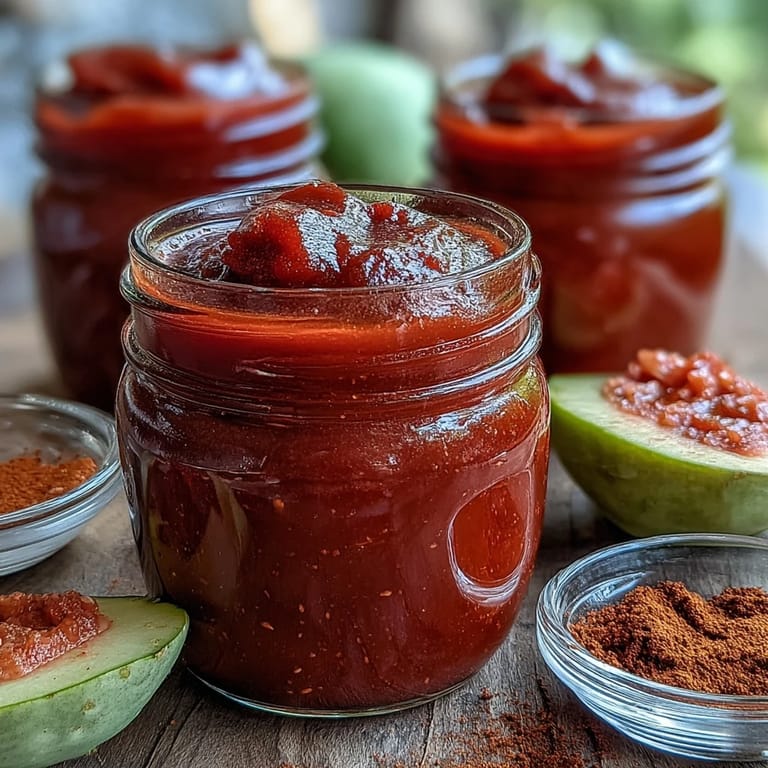
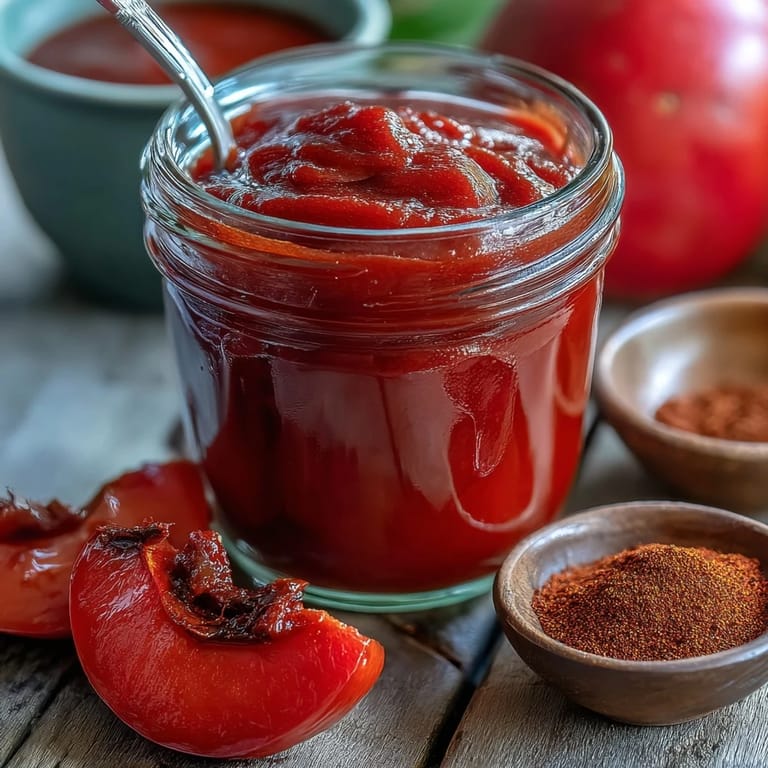
- Remove from heat and let it cool slightly, then use an immersion blender to puree it until smooth and glossy, or carefully transfer it to a standard blender in batches. The texture should be thick enough to coat meat but pourable enough to dip into.
- Taste and adjust:
- Once cooled slightly, taste it and tweak the seasoning—more salt, heat, or vinegar, whatever your palate says it needs. Let it cool completely before storing in a clean jar in the refrigerator, where it keeps for up to 2 weeks and gets even better as flavors settle.
 Save to Pinterest
 My friend who grew up in Puerto Rico tasted this sauce and got quiet for a moment, then said it reminded her of her grandmother's kitchen on holiday mornings—which might be the best compliment a recipe can receive. That's when I understood that food made with intention and actual spices, the ones that take time and thought, carries something beyond flavor.
The Guava Advantage
Guava paste is where this sauce departs from every mainstream barbecue sauce you've ever tasted, and once you understand why, you'll start buying it for other projects too. It's naturally pectin-rich, which means it helps thicken the sauce naturally without corn syrup or weird additives, and it brings a floral sweetness that tropical fruits have—not cloying, but genuinely complex. Most people who taste this sauce initially can't identify what makes it different, they just know it works.
Spice Ratios That Matter
The reason this sauce tastes balanced instead of chaotic is because the spices are layered—smoked paprika gives smoke and color, cumin adds earthiness, allspice brings warmth, and cinnamon prevents the whole thing from tasting savory and one-dimensional. If you doubled the cinnamon, you'd end up with a sauce that tastes like a dessert, and if you skipped the allspice, it would feel like something was missing but you couldn't say what. The chemistry matters, so while you can adjust heat and sweetness freely, play it careful with the spice ratios until you've made it once.
Serving and Storage Wisdom
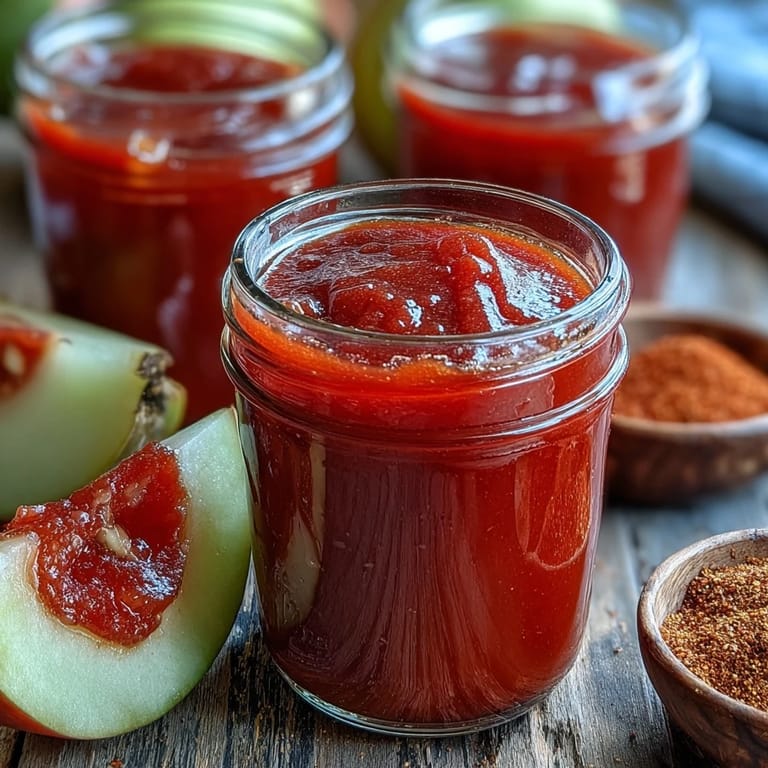
This sauce is thick enough to stay on grilled chicken without sliding off, but thin enough to drizzle onto a plate or dollop onto a burger, which is the sweet spot for versatility. It keeps in the refrigerator for up to 2 weeks, and honestly, it tastes better after a day or two once everything has settled and bonded together.
- For a spicier sauce: Add more chili powder a pinch at a time, or stir in a dash of hot sauce right at the end so you control the heat level.
- For a thinner, more drizzle-able consistency: Once blended, stir in a splash more water until it reaches the texture you want.
- If guava paste is impossible to find: Guava jelly works as a substitute, though you'll need to reduce the brown sugar and taste as you go since jelly is sweeter and looser than paste.
 Save to Pinterest
 Making a sauce from scratch means you control the story it tells, and this one tells a story of sweet fruit meeting smoke and spice in the best possible way. Once you've made it once, you'll find yourself reaching for it constantly.
Recipe Questions & Answers
- → Can I use fresh guava instead of guava paste?
While guava paste provides concentrated sweetness and thickening properties, you can use fresh guava. Simmer 2-3 cups chopped fresh guava with water until soft, then blend and strain before proceeding with the rest of the ingredients. You may need to reduce the added sugar since fresh fruit is less concentrated than paste.
- → How should I store this sauce?
Store completely cooled sauce in an airtight jar or container in the refrigerator for up to 2 weeks. The flavors will meld and deepen over time, often tasting even better the next day. For longer storage, freeze in ice cube trays and transfer to freezer bags for up to 3 months.
- → What dishes pair best with guava BBQ sauce?
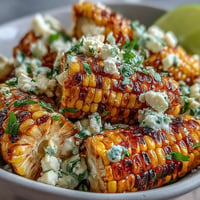
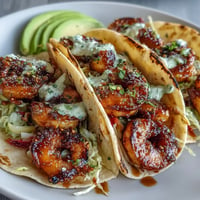
This sauce shines on grilled proteins like chicken, pork chops, and ribs. It's also excellent on shrimp, tofu, or roasted vegetables. Use it as a burger topping, dip for sweet potato fries, or glaze for grilled pineapple. The tropical sweetness complements spicy dishes beautifully.
- → How can I adjust the consistency?
If the sauce is too thick, add water 1 tablespoon at a time while reheating. For thicker results, simmer 5-10 minutes longer. Blending creates a smooth texture, but if you prefer some texture, skip the immersion blender and mash the guava by hand for a chunkier rustic sauce.
- → Is this sauce spicy?
The sauce has mild heat from chili powder and optional red pepper flakes. It's designed to be balanced rather than hot. To increase spice, add more chili powder, cayenne, or hot sauce to taste. The sweet guava helps mellow the heat, making it family-friendly while still flavorful.