 Save to Pinterest
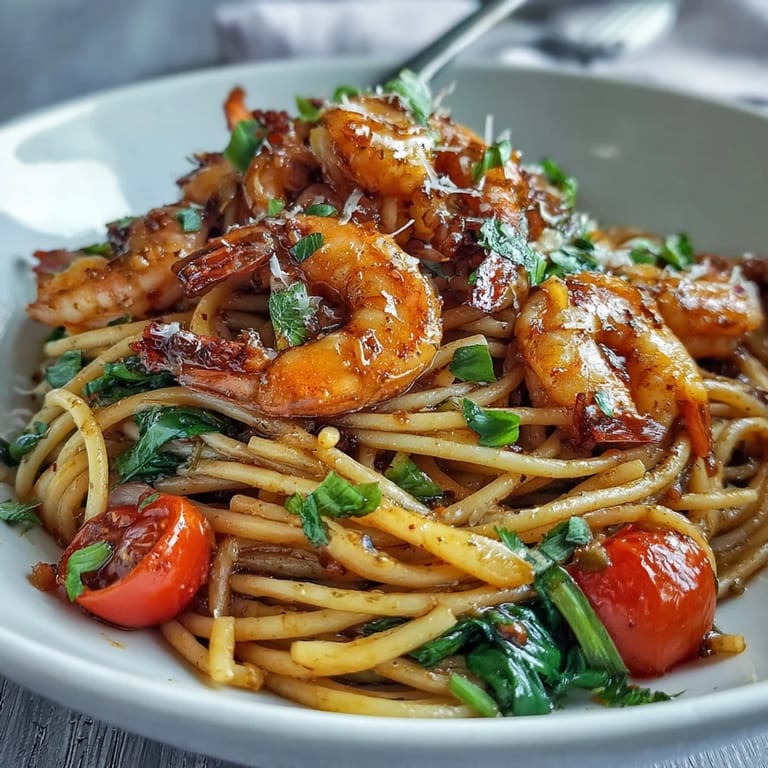
 There's something about cooking shrimp that makes the whole kitchen come alive. One Tuesday evening, I was rushing through dinner prep when the smell of garlic hitting hot olive oil stopped me mid-thought, and I found myself standing there just breathing it in instead of panicking about the clock. That's when this one-pot wonder clicked into place—a dish that feels fancy enough to impress but honest enough to make on a random weeknight. The lemon brightens everything, the shrimp cooks in minutes, and somehow the pasta soaks up all that briny, garlicky goodness without ever tasting heavy.
I made this for my sister last spring when she was going through a rough patch, and she showed up looking exhausted until that first bite hit her tongue. She closed her eyes and said, "This tastes like you're taking care of me," which is honestly all I ever want food to do. That's when I knew this recipe wasn't just about technique—it was about turning simple ingredients into a moment that mattered.
Ingredients
- Large shrimp (1 lb): Buy them peeled and deveined if you can—life's too short to fuss with that part, and the quality difference is minimal while the time saved is real.
- Angel hair pasta (12 oz): This delicate pasta absorbs sauce like a dream and cooks fast enough that you won't overcook it if you're paying attention.
- Cherry tomatoes (1 cup, halved): Look for ones that are genuinely ripe and colorful; they should smell faintly sweet at the stem, and they'll burst slightly as they cook, adding natural sweetness.
- Snap peas (1 cup, trimmed): The crunch here keeps everything from feeling mushy, and they're forgiving about timing since they're good even if slightly undercooked.
- Baby spinach (1 cup): Fold this in at the very end so it wilts gently without darkening or losing its bright color.
- Zucchini (1 small, sliced): Slice it thin so it cooks through in the same time everything else does; thick slices will lag behind.
- Fresh parsley and green onions: These are your final flourish—they add a fresh, almost grassy note that keeps the whole dish from tasting one-dimensional.
- Garlic (4 cloves, minced): Mince it fine so it dissolves into the oil quickly, and watch it like a hawk because burnt garlic tastes bitter and will ruin your sauce.
- Extra virgin olive oil (1/4 cup): This is your cooking fat and your flavor base, so don't skimp on quality here.
- Lemon zest and juice: The zest adds a floral brightness that juice alone can't deliver; zest it before cutting the lemon in half.
- Dry white wine or vegetable broth (1/2 cup): Wine adds a subtle sophistication, but broth works just fine if that's what you have on hand.
- Chicken or vegetable broth (3 cups): Use the low-sodium version so you can taste the dish itself rather than salt.
- Red pepper flakes (1/2 tsp, optional): This is your secret heat—it sneaks up on you in the best way and wakes up your palate.
- Parmesan cheese (1/4 cup, grated): Optional but highly recommended; it adds a savory richness that ties everything together.
Tired of Takeout? 🥡
Get 10 meals you can make faster than delivery arrives. Seriously.
One email. No spam. Unsubscribe anytime.
Instructions
- Warm your oil and toast the aromatics:
- Heat that olive oil over medium heat until it shimmers, then add your minced garlic and red pepper flakes. You'll smell it change within about a minute—that's your cue to keep moving.
- Sauté your vegetables:
- Toss in the tomatoes, snap peas, and zucchini, stirring them around for 2 to 3 minutes until they start to soften and release their flavor into the oil. You're not cooking them through yet; you're just waking them up.
- Deglaze and build your base:
- Pour in the wine, let it bubble and reduce for a moment, then add your broth, lemon zest, and juice. Bring it all to a gentle boil—you'll see the broth turn slightly golden from the garlic and oil.
- Cook the pasta:
- Add the angel hair pasta directly to the liquid, stirring to make sure nothing clumps together, and cover the pan. Stir every minute or so, and after 3 to 4 minutes, taste it—it should be almost tender but still with a tiny bite to it.
- Add the shrimp:
- Scatter the shrimp across the top, spread them out evenly, and cover again. They'll turn pink and opaque in 2 to 3 minutes, and that's the moment you know everything is ready.
- Finish with greens and herbs:
- Remove from heat and fold in the spinach, green onions, and fresh parsley—the residual heat will wilt everything without overdoing it. Taste and season with salt and pepper.
- Serve immediately:
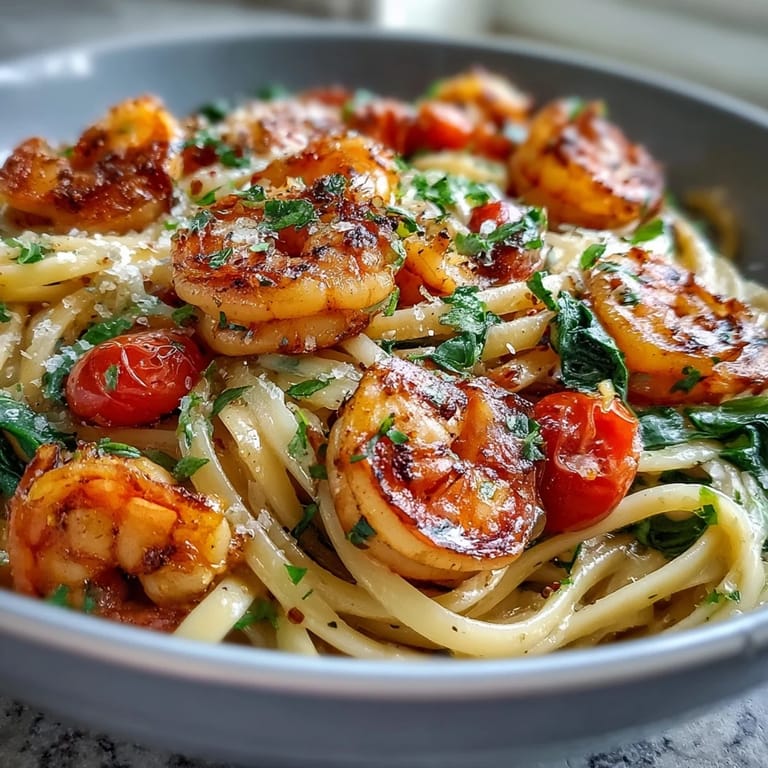
- This dish is at its best right now, while the pasta is tender, the shrimp is succulent, and the sauce is still silky. Garnish with Parmesan and a squeeze of fresh lemon.
 Save to Pinterest
 My neighbor came over once while I was making this, and the smell drew her into the kitchen where she ended up staying for the whole meal. That's when I realized some dishes are more than dinner—they're an invitation to slow down and be present with someone else.
The Magic of One-Pot Cooking
There's a reason one-pot meals have a cult following: every element cooks together, which means the flavors blend and build rather than staying separate. The pasta absorbs the broth, the vegetables soften and sweeten, the shrimp releases its natural brine into the sauce, and suddenly you have something more cohesive than the sum of its parts. It's the kind of cooking that feels less like following instructions and more like orchestrating a conversation.
Building Brightness with Citrus
Lemon is the difference between a dish that tastes good and one that tastes alive. The zest adds an aromatic layer that juice alone can't deliver, and using both together creates a brightness that cuts through the richness of the olive oil and pasta without tasting sour. I learned this by accident once when I only had lemon juice and no fresh zest, and the dish felt flat by comparison. Now I always zest first and squeeze second, and it's made every version of this recipe better.
Variations and Flexibility
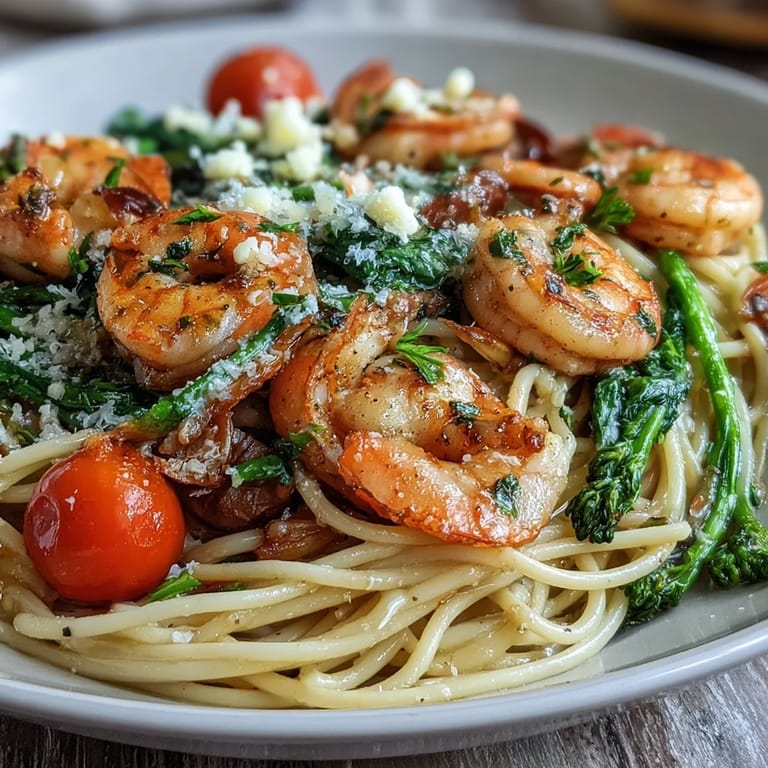
The beauty of this recipe is that it's flexible without losing its identity. In summer I swap the snap peas for asparagus or thin green beans, and in early fall I've used diced fennel instead of zucchini. The core technique stays the same—aromatics first, vegetables next, broth and pasta together, shrimp at the end—so you can adapt it to whatever looks good at your market without feeling like you're improvising.
- For a heartier version, add diced bell peppers or mushrooms alongside the original vegetables.
- If dairy isn't your thing, skip the Parmesan and finish with extra fresh herbs instead.
- A gluten-free pasta swap works perfectly here, though you might need a minute or two more cooking time depending on the brand.
 Save to Pinterest
 This is the kind of dish that reminds you why cooking matters—it's quick enough to fit your actual life but thoughtful enough to make you feel cared for. I hope it becomes a regular in your kitchen too.
Recipe Questions & Answers
- → Can I use a different type of pasta?
Yes, thin pasta like linguine or vermicelli can be used as a substitute, but cooking times may vary slightly.
- → How do I know when the shrimp is cooked?
Cook shrimp until they turn pink and opaque, usually 2-3 minutes after adding them to the dish.
- → What can I substitute for white wine?
Vegetable broth works well as a non-alcoholic alternative, maintaining the dish’s depth and flavor.
- → Is it possible to make this dish gluten-free?
Absolutely, simply use gluten-free angel hair pasta or a similar gluten-free thin pasta variety.
- → Can I customize the vegetables?
Yes, snap peas can be replaced with asparagus or other spring vegetables depending on availability and taste.