 Save to Pinterest
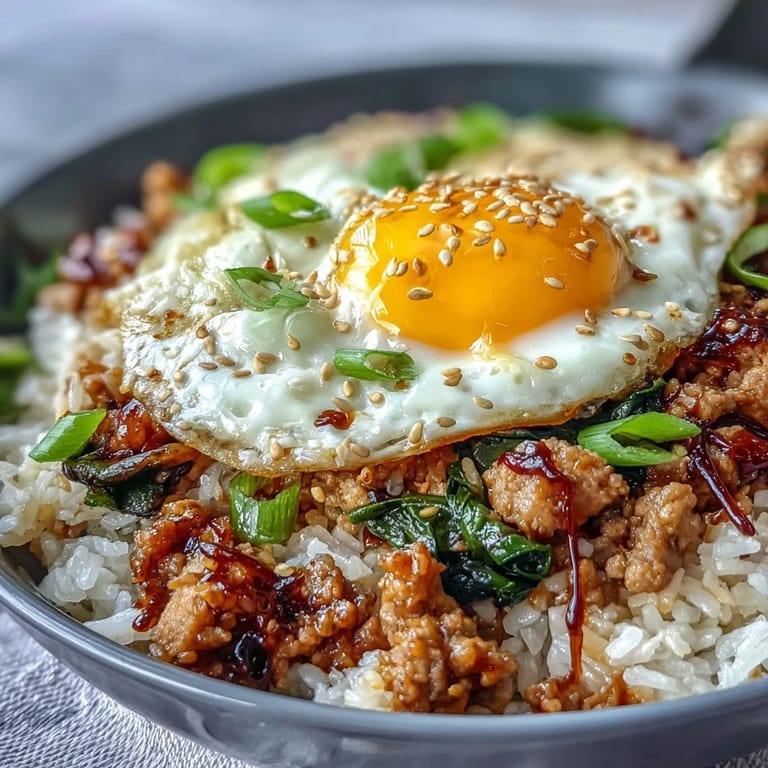
 One evening, I stood in front of my pantry holding a jar of gochujang and wondering what to do with ground turkey that had been thawing all day. The question wasn't complicated, but the answer came from remembering a bibimbap bowl I'd eaten years ago at a tiny restaurant tucked between a laundromat and a bookstore. That same sweet-spicy warmth, that same silky egg yolk breaking across everything, but simpler, faster, all in one skillet. What emerged from that moment of improvisation became something I make when I want dinner to feel both comforting and exciting.
I served this to my partner on a random Tuesday after we'd both had the kind of day that calls for something warm and full of flavor. He took one bite, broke the egg yolk, watched it cascade across the rice, and didn't say much for a while except, "Make this again." Now it's become our shorthand for a good night, the kind where the kitchen smells bold and spicy and nobody wants seconds because they're still savoring the first bite.
Ingredients
- Ground turkey: Lean and quick-cooking, it soaks up the sauce beautifully without overpowering the other flavors. I learned to break it up aggressively as it browns so it doesn't clump.
- Gochujang: This Korean red chili paste is the soul of the dish, bringing sweetness, heat, and umami all at once. Don't skip it or substitute lightly; it's what makes everything sing.
- Eggs: Exactly 7 minutes in simmering water gives you that jammy, runny yolk that doubles as your sauce. Timing matters here.
- Sesame oil: Toast the skillet with it first to build flavor from the very beginning. The aroma alone prepares your kitchen for something good.
- Day-old rice: Fresh rice turns mushy; cold rice from yesterday stays separate and lets the sauce coat each grain without turning everything into porridge.
- Onion, garlic, ginger: This holy trinity blooms in sesame oil and becomes the flavor foundation that makes people ask for your recipe.
- Soy sauce, honey, rice vinegar: Together they balance the gochujang's heat with sweetness and a subtle tang that keeps everything from being one-note.
- Baby spinach: Wilts in seconds and adds color and nutrition without changing the flavor profile.
- Carrot: Julienned fine so it softens quickly and becomes almost silky in the sauce.
- Scallions and sesame seeds: The final touch that adds freshness, crunch, and a visual reminder that this meal came from care, not a shortcut.
Tired of Takeout? 🥡
Get 10 meals you can make faster than delivery arrives. Seriously.
One email. No spam. Unsubscribe anytime.
Instructions
- Soft-boil your eggs with intention:
- Bring water to a gentle boil, add eggs, and set a timer for exactly 7 minutes. This is not the moment to multitask or estimate; those 7 minutes are what separate a jammy yolk from a fully cooked one. Transfer to ice water immediately so they stop cooking.
- Build your flavor base:
- Heat sesame oil in your skillet and let it shimmer for a moment before adding onion, garlic, and ginger. You'll smell when they're ready to release their flavors, around 3 minutes. Don't rush this; it's where everything else will live.
- Brown the turkey thoroughly:
- Once you add the ground turkey, use your spatula to break it into small pieces as it cooks. After 5 to 6 minutes, it should be completely cooked through with no pink remaining. If there's excess fat pooled in the skillet, drain it now.
- Add the carrot and let it soften:
- Give the carrot 2 minutes in the heat to begin losing its raw edge. It'll still have some texture, which is exactly what you want.
- Create the sauce:
- Lower the heat to medium, then add gochujang, soy sauce, honey, rice vinegar, and broth. Stir everything together until the sauce is smooth and coats the turkey evenly. Bring it to a simmer and let it bubble gently for a moment.
- Add cream and spinach if desired:
- Pour in heavy cream or coconut cream if you want extra richness, then pile in the baby spinach and stir until it wilts completely. This happens in about a minute.
- Fold in the rice gently:
- Add your cold day-old rice and mix it thoroughly until every grain is coated with sauce and heated through. The rice will warm from the residual heat of the skillet.
- Taste and adjust:
- Take a small spoonful and taste it. Need more salt? Add a splash of soy sauce. Want more heat? A pinch of gochugaru will get you there. Trust your palate.
- Serve with the jammy egg crown:
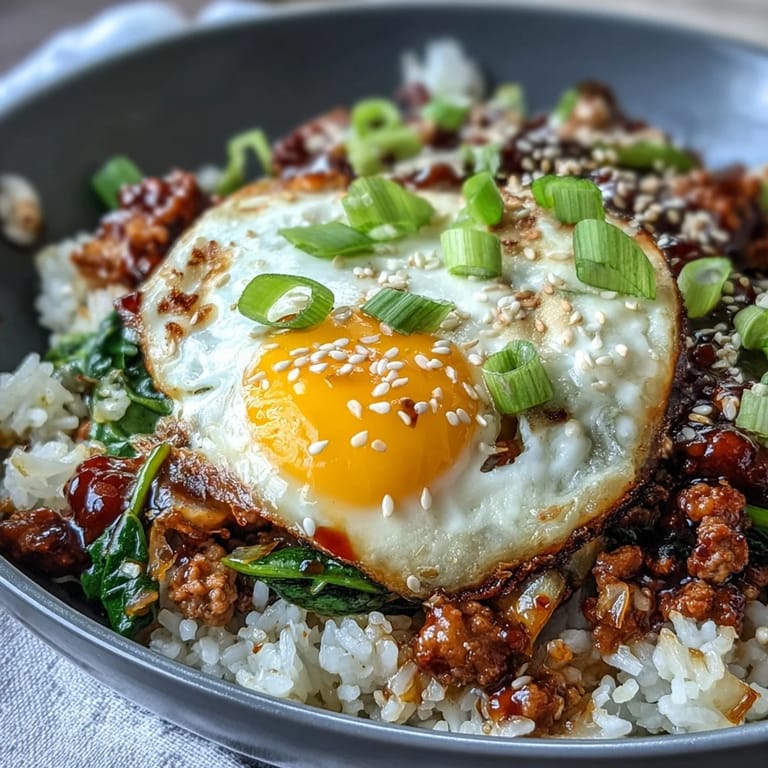
- Divide the rice skillet among bowls, slice each soft-boiled egg in half, and place it on top. The yolk will break as soon as anyone digs in, becoming the ultimate garnish.
 Save to Pinterest
 There's something about watching someone realize that an egg yolk can be both a topping and a sauce, that ground turkey can be elegant, that one skillet can hold an entire meal and a moment of genuine satisfaction. This dish has become proof that comfort and excitement aren't opposites; sometimes they're the same thing.
The Secret Behind Gochujang
Gochujang is fermented, which means it brings layers of flavor that no other hot sauce or chili paste can replicate. The deeper you look into Korean cooking, the more you realize gochujang is the backbone of so much that tastes effortlessly complex. I started keeping a jar open in my refrigerator after I understood this, using it in everything from scrambled eggs to salad dressings. It's one of those ingredients that teaches you that good cooking often comes down to a single element that knows how to work harder than everything else.
Why Day-Old Rice Changes Everything
Fresh rice is fluffy and lovely on its own, but it's also full of moisture and fragile. When you introduce it to a saucy skillet, those grains surrender completely, merging into something closer to risotto than fried rice. Day-old rice, chilled in the refrigerator, develops a firmer exterior and drier interior that lets it maintain its dignity while soaking up flavor. I learned this the hard way, with soggy rice and disappointment, which is exactly how you remember these lessons.
Customizing Your Bowl
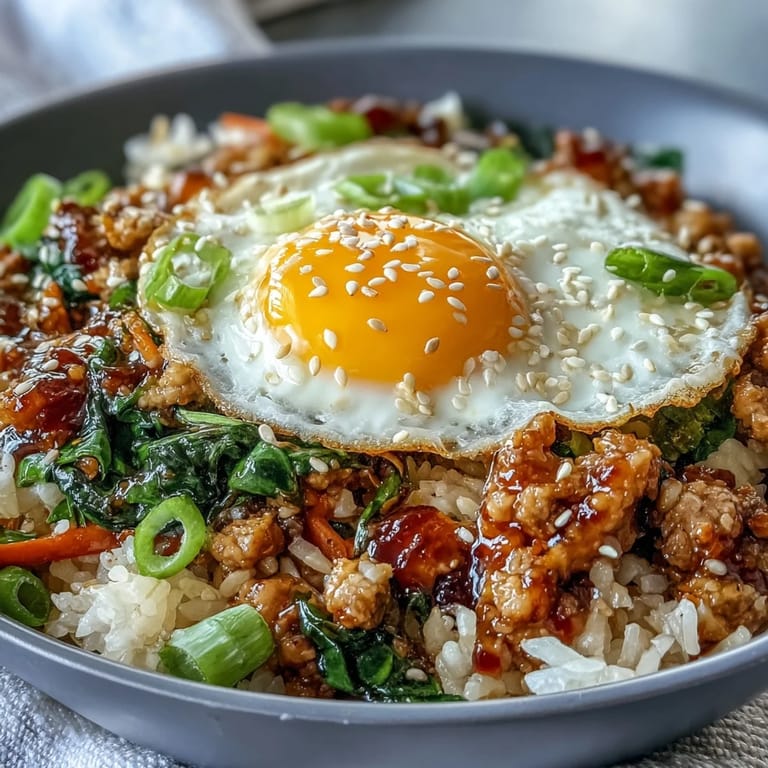
This dish is forgiving in ways that matter. Swap the turkey for chicken if that's what you have, or even add extra vegetables if your crisper is overflowing. Some people love kimchi alongside; others prefer a drizzle of gochugaru for extra heat. The structure is solid enough to hold your preferences without falling apart. Think of it as a framework rather than a command, a suggestion from someone who's made it enough times to know what works but not so many times that I've forgotten what experimentation feels like.
- Kimchi on the side adds a funky, fermented contrast that brightens everything.
- A drizzle of gochugaru (Korean chili flakes) on top brings visible heat for those who want more spice.
- Coconut cream instead of heavy cream creates a subtle sweetness that feels almost luxurious.
 Save to Pinterest
 This skillet has become my answer to nights when I want something that tastes like it took effort, feels nourishing without being heavy, and leaves the kitchen smelling like somewhere people want to be. Make it once and it'll probably ask to be made again.
Recipe Questions & Answers
- → What makes this skillet Korean-inspired?
The dish features gochujang (Korean red chili paste), soy sauce, sesame oil, and rice vinegar—classic Korean staples that create a distinctive sweet and spicy flavor profile. The garnish of scallions, sesame seeds, and optional kimchi further enhances the Korean fusion elements.
- → Can I use other proteins instead of ground turkey?
Absolutely. Ground chicken works beautifully as a direct substitute. You could also use ground pork or beef, though the cooking time may need slight adjustment depending on the fat content. Plant-based ground meat alternatives also work well for a vegetarian version.
- → Why is day-old rice recommended?
Day-old rice has lower moisture content, which prevents it from becoming mushy when combined with the sauce. Freshly cooked rice can release excess water and make the dish overly sticky. If you must use fresh rice, spread it on a baking sheet and refrigerate for 30 minutes to dry slightly.
- → How do I achieve the perfect jammy egg?
Simmer large eggs in gently boiling water for exactly 7 minutes, then immediately transfer to an ice bath to stop the cooking process. This timing produces a set white with a golden, runny yolk that's perfect for spooning over the rice skillet.
- → Is this dish spicy?
The spice level is moderate and customizable. Gochujang provides a gentle heat balanced by honey and brown sugar. For more intensity, add gochugaru (Korean chili flakes). To reduce heat, decrease the gochujang to 1 tablespoon and increase the honey slightly.
- → Can I make this dairy-free?
Yes. Simply omit the heavy cream or substitute with coconut cream for a dairy-free version that maintains the creamy texture. The sauce is naturally rich from the gochujang and sesame oil, so the cream is optional.