 Save to Pinterest
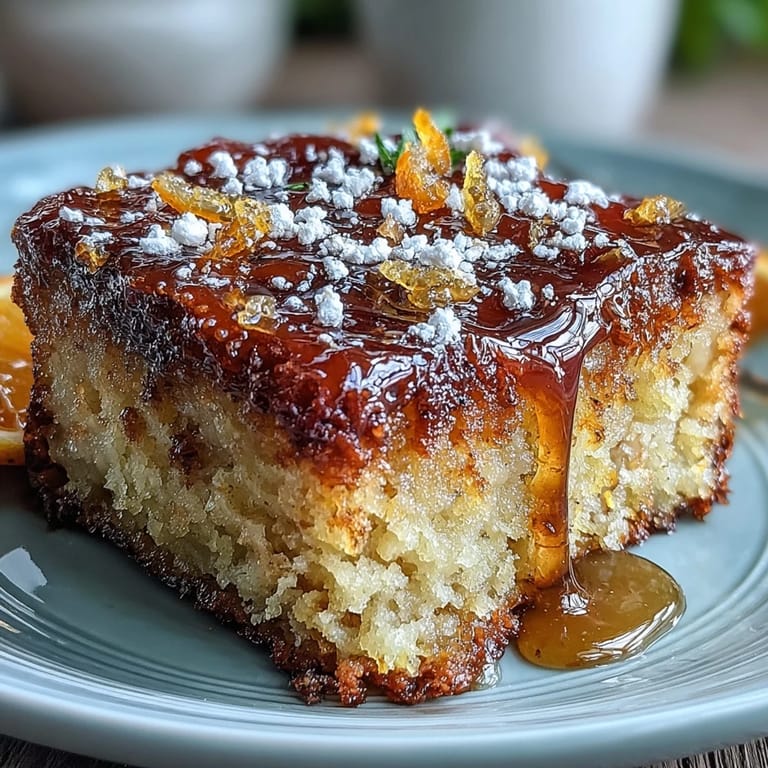
 The sound of the blender whirring has come to mean something bright is on its way in my kitchen. At the tail end of winter, when oranges are at their juiciest, I stumbled upon the idea of using every bit—the peel, the pith, the lot—for this whole orange cake. The aroma that fills the air when that vibrant orange is blitzed to a fragrant pulp can lift anyone&aposs mood. There&aposs no fancy technique here—just pure, effortless citrus joy. My mornings have felt lighter ever since.
Once, I baked this cake on a whim before friends dropped by for coffee on a rainy Saturday afternoon. Their surprise at both the golden color and punchy citrus scent made me grin—I love when something this simple feels totally new to guests. We laughed about the audacity of tossing a whole orange in the blender, skins and all, then couldn't stop slicing until the entire cake was gone. The memory of us dusting powdered sugar onto still-warm slices is one I think about whenever storm clouds gather. Sometimes the best gatherings start with a single, unexpected orange.
Ingredients
- 1 large seedless orange: Seek out an organic orange, scrub it well, and leave the peel on—this deepens the flavor and scent.
- 3 large eggs: Room temperature eggs help the batter blend smoothly and yield a fluffier cake.
- 150 ml vegetable oil: Oil keeps the cake super moist, and I've found sunflower gives a particularly light crumb.
- 1 tsp vanilla extract: Adds subtle warmth that rounds out the citrus edge—don't skip it.
- 250 g granulated sugar: Lends both sweetness and a little crispness on the crust; superfine works too if you prefer.
- 250 g all-purpose flour: Stick to all-purpose for sturdy, tender slices that hold up even after a day or two.
- 2 tsp baking powder: Gives the batter that lovely domed shape—always check it&aposs fresh for maximum rise.
- 1/2 tsp salt: Helps balance the sweetness and amplifies all the flavors.
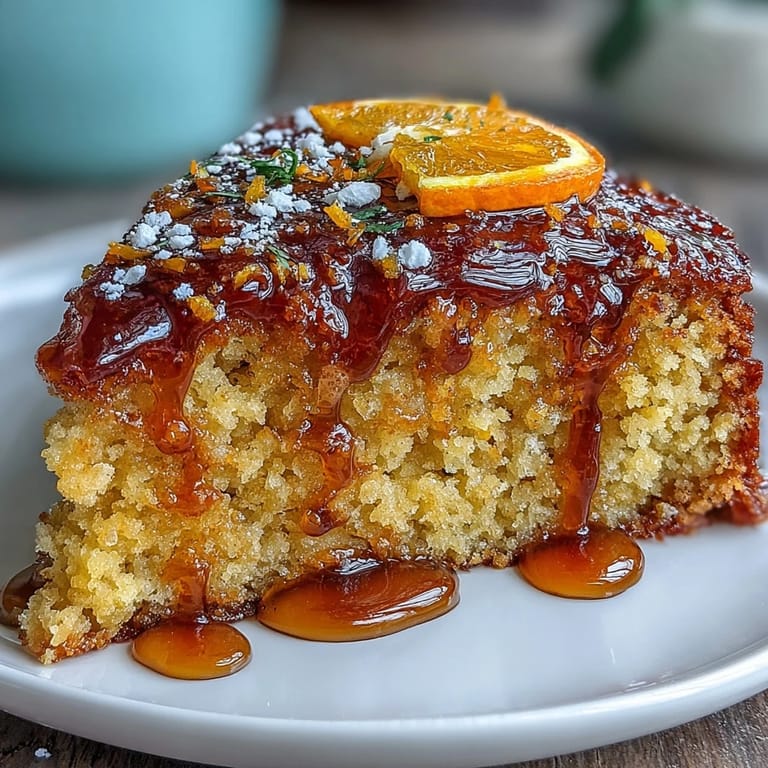
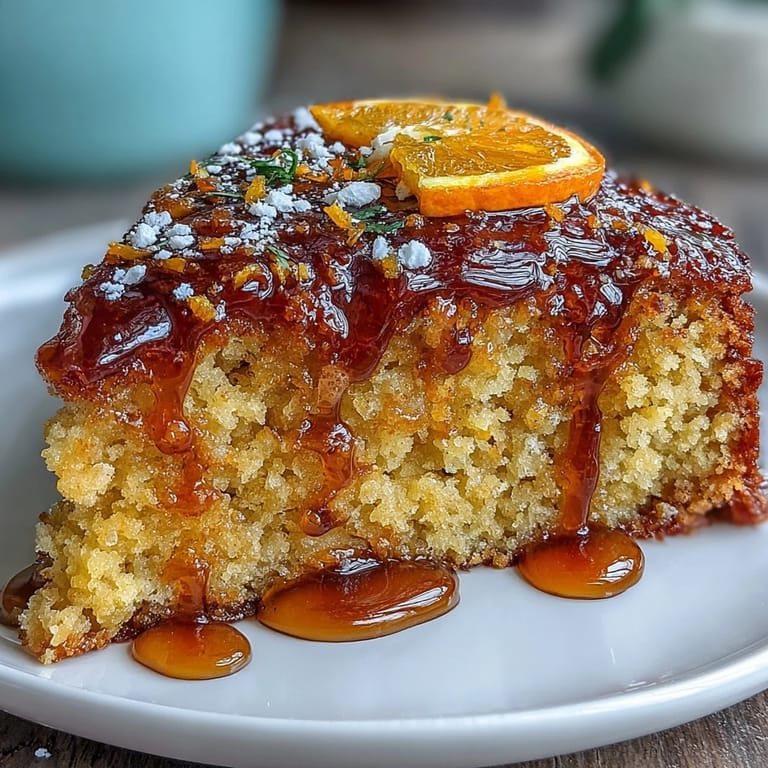
- Powdered sugar (optional): For a finish that looks like fresh snow and brings out the cake's sunshiney color.
Tired of Takeout? 🥡
Get 10 meals you can make faster than delivery arrives. Seriously.
One email. No spam. Unsubscribe anytime.
Instructions
- Set up your cake pan:
- Preheat the oven to 350°F (175°C) and line a 9-inch round cake pan, making sure to reach the corners with parchment for easy release.
- Blend the orange mixture:
- Add the quartered orange (peel and all), eggs, oil, and vanilla to your blender; buzz until no flecks of orange peel remain and it smells irresistibly bright.
- Combine the dry base:
- Mix sugar, flour, baking powder, and salt in a large bowl—the scent won&apost give much away yet, but this is your canvas.
- Unite wet and dry:
- Pour the fragrant orange blend over your dry mix, folding with a spatula until just combined; pause when you can't see any more flour—overmixing makes it dense.
- Bake the cake:
- Scrape the batter into the pan and smooth the top; it should look sunlit and slightly thick. Bake for 45 to 50 minutes, until the kitchen smells like marmalade and a toothpick emerges clean from the center.
- Cool and finish:
- Let the cake rest in the pan for 10 minutes. Tip it onto a wire rack and, once cooled, dust with a generous snowfall of powdered sugar if you like.
 Save to Pinterest
  Save to Pinterest
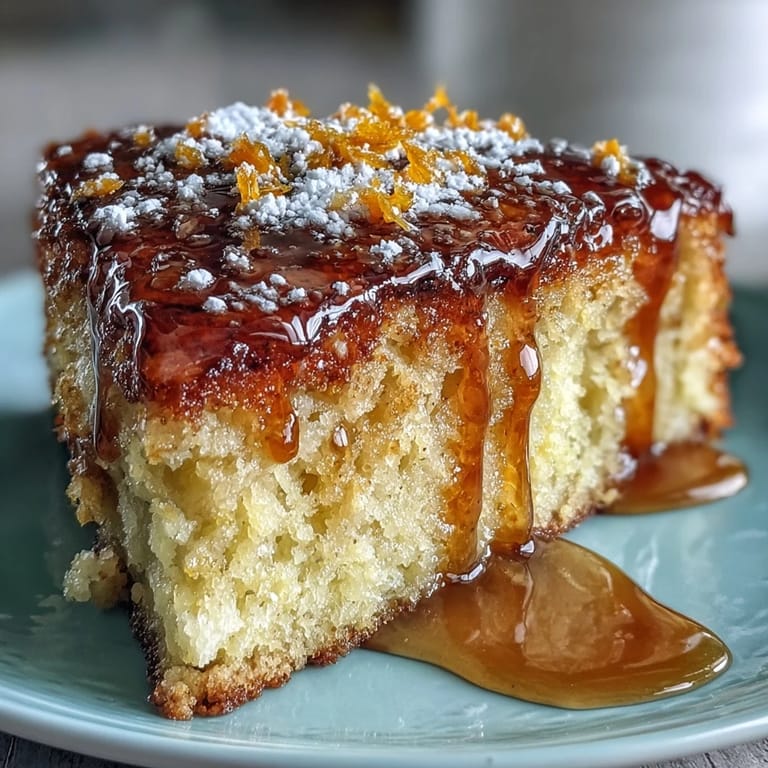
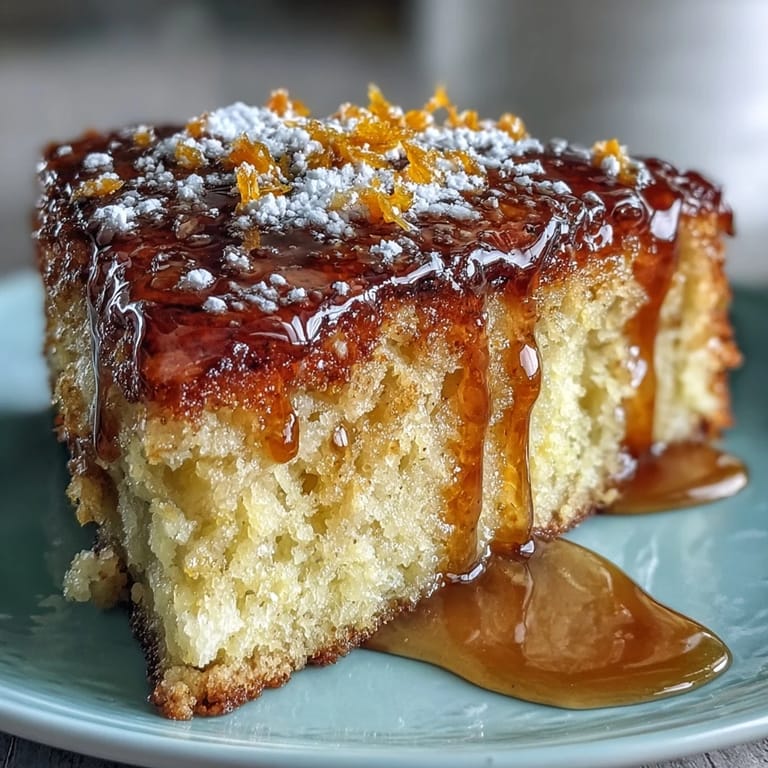
 The first time someone called this cake "breakfast in disguise," I knew it had found a place in my regular rotation. Served warm with coffee, it turns the most ordinary morning into something softly extraordinary—like finding a splash of sunlight on your table.
Getting the Most Flavor from Your Orange
Rubbing the orange under hot water for a moment before quartering seems to wake up the oils in the peel, making the batter even more fragrant. If your orange is small, use one and a half to avoid a dry crumb. And if you want a punchier flavor, try grating in a touch more zest for good measure.
What to Serve Alongside
During summer, a big dollop of cold vanilla ice cream on a fresh wedge is unbeatable, but in cooler months, I reach for thick yogurt or gently whipped cream. A little drizzle of honey over the warm cake transforms it into a luxurious dessert. This is the rare treat that plays just as well at breakfast as it does after dinner.
Making It Your Own
If you're feeling adventurous, a sprinkle of ground cardamom or a spoonful of orange liqueur changes up the cake&aposs mood entirely. I've also swapped half the flour with almond meal for a nutty variant, and it was a hit. The recipe is forgiving and eager for your spin.
- When storing, wrap tightly to keep the cake moist for two days.
- For a dairy-free finish, choose plant-based yogurt or ice cream with your slice.
- Remember to check for seeds, even in 'seedless' oranges—they sneak in sometimes.
 Save to Pinterest
  Save to Pinterest
 There's something quietly thrilling about transforming a whole orange—peel and all—into a golden, fragrant cake. I hope it brightens your kitchen just as much as it has mine.
Recipe Questions & Answers
- → Can I use any orange variety?
Yes. Navel, Valencia or blood oranges work; flavor and color vary. Choose seedless if possible and wash thoroughly. Organic fruit is best since the peel is used.
- → How do I prevent bitter peel flavor?
Use thin-skinned, organic oranges and remove any thick, bitter pith before blending. Blend until completely smooth and balance any slight bitterness with the sugar or a splash of orange liqueur.
- → What oil or fat substitutes work here?
Neutral oils like sunflower or canola give a light crumb. Melted coconut oil or light olive oil can be used for different notes; melted butter adds richness but cool it slightly before combining.
- → How can I tell when it's done baking?
Bake until the top is golden and a skewer or toothpick inserted near the center comes out clean or with a few moist crumbs. The cake should pull slightly from the pan edges.
- → Can this be made gluten-free or dairy-free?
Dairy-free is simple by using plant-based toppings. For gluten-free, swap the all-purpose flour for a 1:1 gluten-free blend with xanthan gum; expect a slightly different texture and possibly a small adjustment in bake time.
- → How should I store leftovers?
Store covered at room temperature for up to 2 days, or refrigerate in an airtight container up to 5 days. Bring to room temperature before serving for best texture and flavor.