 Save to Pinterest
 I'll never forget the year my aunt arrived at our holiday gathering with a massive wooden board lined with twelve distinct sections of cheese, each one a tiny world of flavor waiting to be discovered. She called it the Twelve Days of Cheese, and it changed how I thought about feeding people. What started as a practical way to serve multiple cheeses became the most talked-about dish of the evening—not because it was complicated, but because it invited everyone to slow down and taste their way through something thoughtful and celebratory.
I remember watching my friend Marcus, who always claimed he was 'not a cheese person,' work his way methodically through each section of one of these boards at a dinner party. By section seven he was debating the merits of Roquefort versus Gouda with genuine passion. That's when I realized this board isn't just about cheese—it's about permission to explore without pressure.
Ingredients
- Brie (50 g): The creamy, buttery anchor that welcomes newcomers to the cheese world. Buy it just a day or two before serving so it's soft but still structured enough to slice.
- Aged Cheddar (50 g): Sharp and complex, it reminds you why American cheese boards can be just as dignified as European ones. A year-aged minimum will give you the depth you're after.
- Manchego (50 g): This Spanish beauty has a firm texture and nutty sweetness that pairs brilliantly with almost anything. It's also the cheese that makes people nod knowingly when they taste it.
- Roquefort or Blue Cheese (50 g): The bold statement cheese. A little goes a long way, but its peppery bite teaches your palate something new. Use Roquefort if you're feeling fancy, a good domestic blue works beautifully too.
- Goat Cheese (50 g): Tangy and clean, it cuts through richer pairings and gives the board brightness. Look for one that's creamy but holds its shape.
- Gruyère (50 g): Nutty and slightly crystalline, this is the cheese that makes you understand why Swiss cheese devotees get so passionate. It's comfort in aged form.
- Camembert (50 g): Soft and earthy, almost mushroom-like in character. Buy it ripe but not overripe—you want it to bloom on the palate, not collapse on the board.
- Gouda (50 g): Caramel-sweet and approachable, this cheese brings people together. The smoke version adds an unexpected dimension if you're feeling adventurous.
- Comté (50 g): French mountain cheese with a complex sweetness that deepens as it sits on your tongue. It's expensive but worth it for the moment when someone says 'what IS this?'
- Pecorino (50 g): Sharp and salty, this Roman cheese brings Mediterranean joy to every bite. It's the reminder that bold flavors belong on the board.
- Havarti (50 g): Danish creamy goodness with subtle butterscotch notes. It's the bridge between mild and adventurous, making it a crowd-pleaser.
- Smoked Cheese (50 g): Whether you choose smoked provolone or another smoked variety, this is your wild card that sparks conversation. The smoke brings warmth and unexpected depth.
- Artisanal bread or assorted crackers (12 slices): Your vehicle for cheese. Choose something with character—seeded crackers, water crackers, or good sourdough all work beautifully.
- Honey (2 tbsp): For drizzling alongside Brie and Pecorino, where its sweetness becomes almost floral against creamy and salty cheeses.
- Fig jam (2 tbsp): Earthy and jammy, it elevates aged cheeses into something more luxurious. A tiny dollop is all you need.
- Whole grain mustard (2 tbsp): Grainy and tangy, perfect with Gruyère and other aged varieties. It adds a smart, grown-up note.
- Seedless grapes (24): Their juicy sweetness is the palate cleanser that keeps people moving through the board. Something about grape and cheese is endlessly satisfying.
- Dried apricots (12): Concentrated sweetness that brings out savory notes in aged cheeses. They're the detail that makes people realize you thought about this.
- Walnut halves (12): Earthy and slightly bitter, walnuts ground the board and add textural contrast. Toast them lightly if you have time—it makes a difference.
- Toasted almonds (12): Sweeter than walnuts, they pair well with softer cheeses and bring subtle sweetness. The toasting is non-negotiable.
- Apple slices (12): Crisp and refreshing, they're the palate reset you didn't know you needed between intense cheeses. Slice just before serving to prevent browning.
- Fresh pear slices (12): Delicate and subtly sweet, pears whisper rather than shout. They're especially beautiful with blue cheese and creamy varieties.
- Dark chocolate pieces (12): A surprising partner for cheese, especially smoked varieties and aged cheddar. Use something with at least 70% cacao for sophistication.
- Cornichons (12): These tiny pickled cucumbers bring sharp, briny brightness that cleanses the palate and adds a professional touch. They're the secret weapon.
- Fresh herbs for garnish (thyme, rosemary): Just a whisper of greenery transforms the board from nice to memorable. Fresh herbs say 'I cared' without saying a word.
Tired of Takeout? 🥡
Get 10 meals you can make faster than delivery arrives. Seriously.
One email. No spam. Unsubscribe anytime.
Instructions
- Create your canvas:
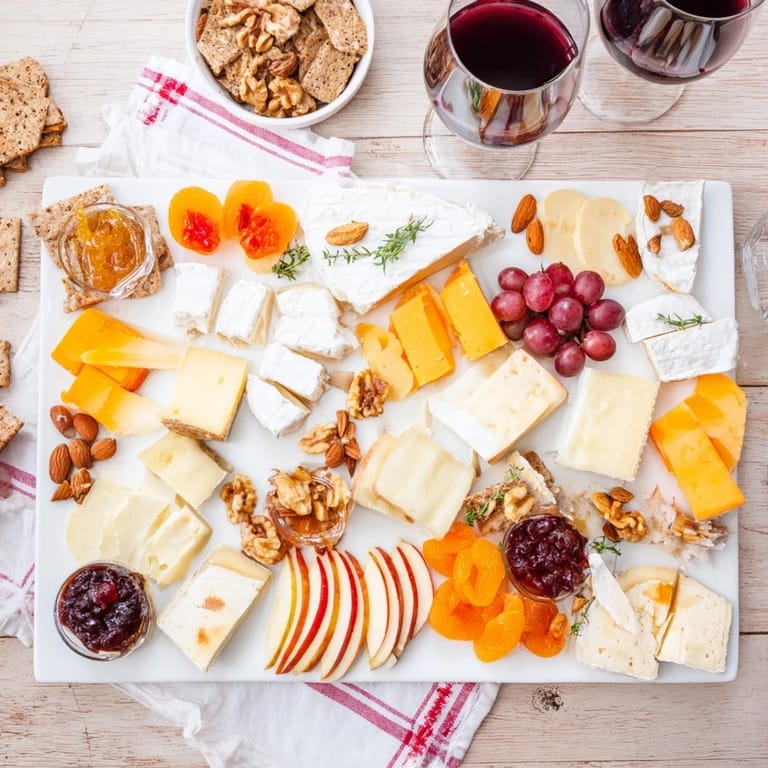
- Find yourself a beautiful large board or platter—wood, marble, slate, or ceramic all work wonderfully. This is where the magic happens, so choose something that makes you feel proud. Now comes the fun part: imagine dividing that board into twelve sections, like you're creating a flavor clock. You can use small ramekins as dividers, arrange the cheeses in a visual pattern that makes sense to you, or simply use your eye and a light hand with herbs as natural separators. There's no wrong way here—trust your instinct.
- Introduce each cheese:
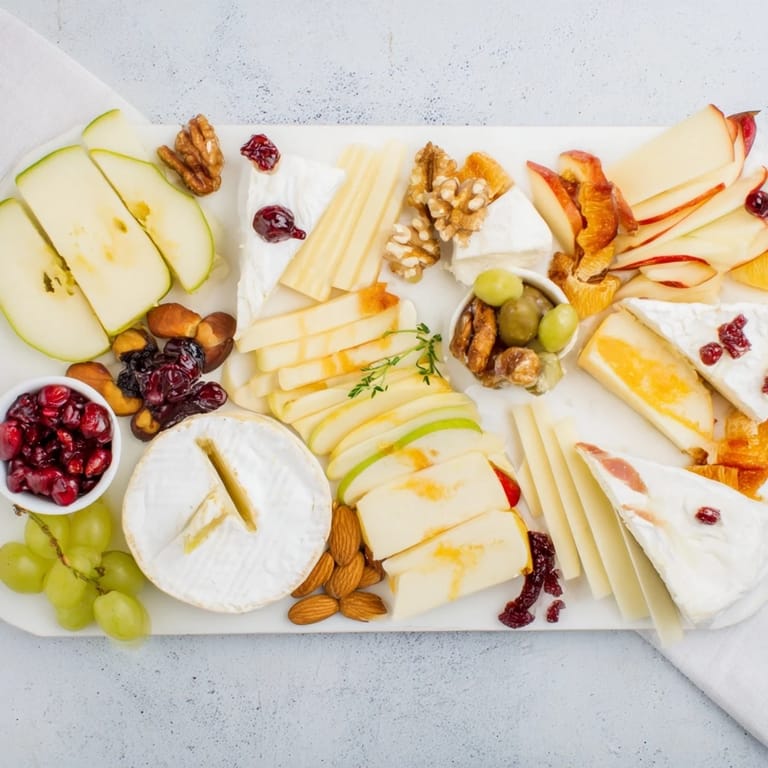
- Working around your board, place one cheese in each section, cutting the firmer ones into bite-sized pieces that feel generous but not overwhelming. Softer cheeses like Brie and Camembert can stay in their wedges for people to spread onto crackers. This is the moment where your board starts to come alive—you'll see the colors and textures creating their own story. Arrange them so the creamy ones aren't all clustered together; scatter the blues and aged varieties around for visual interest.
- Build the pairings with intention:
- Now here's where you get to play matchmaker. Brie gets honey and a thin apple slice—the sweetness melts into the creaminess. Aged Cheddar finds its partner in fig jam and a walnut—sharp cheese loves sweet-earthy company. Manchego gets quince paste or fig jam plus an almond for Spanish-inspired harmony. Roquefort, that bold blue, gets a pear slice and walnut—the fruit's delicate sweetness gentles the cheese's aggressive funk. Goat Cheese lounges with fresh thyme and a few grapes—herbs make it sing. Gruyère gets a dab of mustard and a cornichon for that sophisticated Parisian vibe. Camembert with apple and almond is cozy comfort. Gouda, already sweet, gets a dried apricot and a piece of dark chocolate—let them surprise each other. Comté gets grapes and a walnut for simplicity. Pecorino gets pear and a drizzle of honey because salty-creamy-sweet is a conversation between three senses. Havarti with fig jam and almond is pure indulgence. Smoked Cheese gets cornichon and dark chocolate—unexpected combinations are where memories happen.
- Frame it with bread and crackers:
- Arrange your chosen crackers or bread slices around the perimeter of the board, creating an edible frame. Make sure there's enough for each section—you want people to have easy access without anyone feeling rushed. This is practical and beautiful at once.
- Finish with flourish:
- Scatter fresh thyme sprigs and rosemary across the board with a light hand. You're not trying to hide the cheese; you're adding whispers of green that make the whole thing feel intentional and special. This final touch tells everyone that you're the kind of person who thinks about such things.
- Let it breathe:
- Bring your board to room temperature about 15 minutes before serving. Cheese eaten at room temperature is cheese at its most generous, most flavorful, most alive. Cold cheese is reserved and withholding. Room temperature cheese is hospitable and true to itself.
 Save to Pinterest
 There's a moment that happens at almost every gathering where someone tastes Roquefort for the first time, or discovers that they actually love goat cheese when it's properly ripened. That moment of revelation—when a flavor lands exactly right and someone's eyes light up—that's what this board creates. It's not fancy cooking. It's permission to be curious, served on a beautiful plate.
The Geography of Cheese
One of my favorite discoveries when building these boards was realizing that cheese tells the story of its homeland. Manchego comes from La Mancha in Spain and tastes like hot summers and sheep grazing on scrubland. Comté comes from the Alps and carries the memory of mountain air and cow bells. Roquefort lives in caves in southern France and tastes like centuries of tradition. When you arrange cheeses from around the world on a single board, you're not just serving food—you're inviting people to travel. This is why I always mention where each cheese comes from. It transforms the board from 'nice appetizer' into 'small edible journey around Europe.'
The Art of Pairing
The secret to a great cheese board isn't really about following rules—it's about understanding the basic grammar of flavor. Sweet things make creamy cheeses more luxurious. Salty things make them sharper. Bitter things (like dark chocolate or nuts) make them more complex. Acidic things (like cornichons or grapes) reset your palate. Once you understand these principles, you stop needing permission to try new combinations. That's when a cheese board becomes your own invention rather than someone else's recipe. I've had people surprised by Gouda and dark chocolate until they taste it and realize it's actually perfect—like caramel found a new best friend.
Setting the Stage for Celebration
What makes this Twelve Days of Cheese board special isn't just the cheeses—it's the permission it gives for lingering. In a world where appetizers disappear in five minutes, this board invites people to slow down, taste deliberately, and discover something new. The organization into twelve sections creates a natural guide—it says 'here's your journey, find your favorites, taste them again.' It's especially perfect for holiday gatherings when you want something elegant but unstressed, something that feels special without requiring you to be in the kitchen. The board does the heavy lifting of being beautiful so you can be present with your guests.
- Serve this alongside sparkling wine, a crisp white, or even cider—the bubbles cut through the richness of the cheeses beautifully
- Don't stress about exact quantities—use these as guidelines and adjust based on your guest list and preferences
- If someone has dietary restrictions, substitute a cheese or pairing rather than worrying—goat cheese works for dairy-sensitive palates, and vegan cheese has come remarkably far
 Save to Pinterest
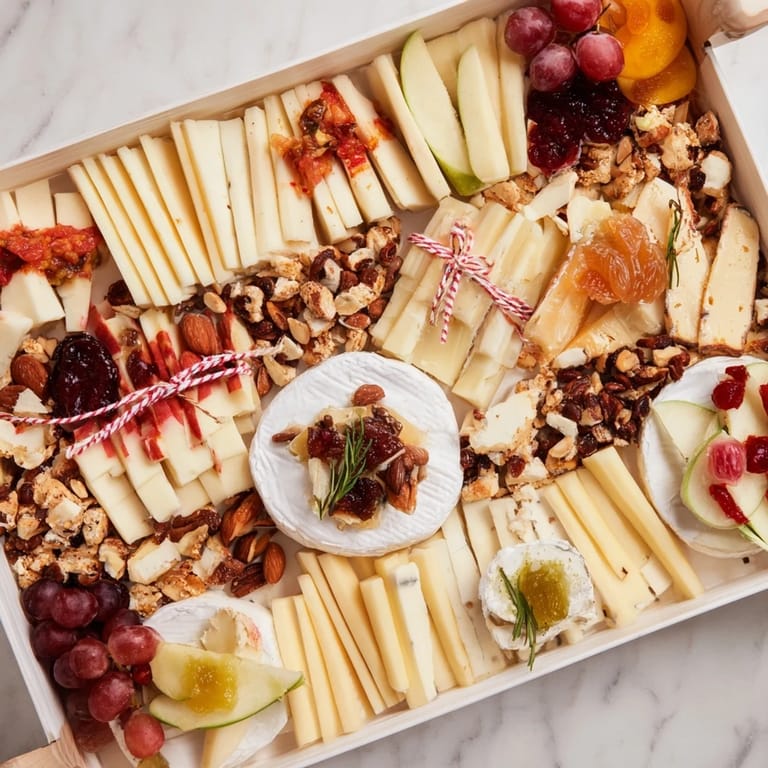
 This board became my signature move because it creates joy without complexity. It's how I show up for people I love.
Recipe Questions & Answers
- → How do I arrange the cheeses on the board?
Divide a large serving board into twelve sections using small bowls or visual lines, placing each cheese and its pairing in a separate area.
- → Can I substitute cheeses for dietary preferences?
Yes, you can use vegetarian or plant-based cheeses to accommodate dietary needs while maintaining flavor variety.
- → What are suitable pairings for the cheeses?
Complement cheeses with items like honey, fig jam, nuts, fresh fruits, crackers, and dark chocolate to enhance flavor contrasts.
- → Should the board be served warm or cold?
Serve the board at room temperature to allow the cheeses and accompaniments to showcase their best flavors.
- → How can I add an international touch?
Select cheeses from various countries and pairings that reflect diverse culinary traditions for global flair.
- → What drinks pair well with this cheese board?
Light reds, sparkling wines, or cider are excellent options to accompany the flavors of the cheeses and sides.