 Save to Pinterest
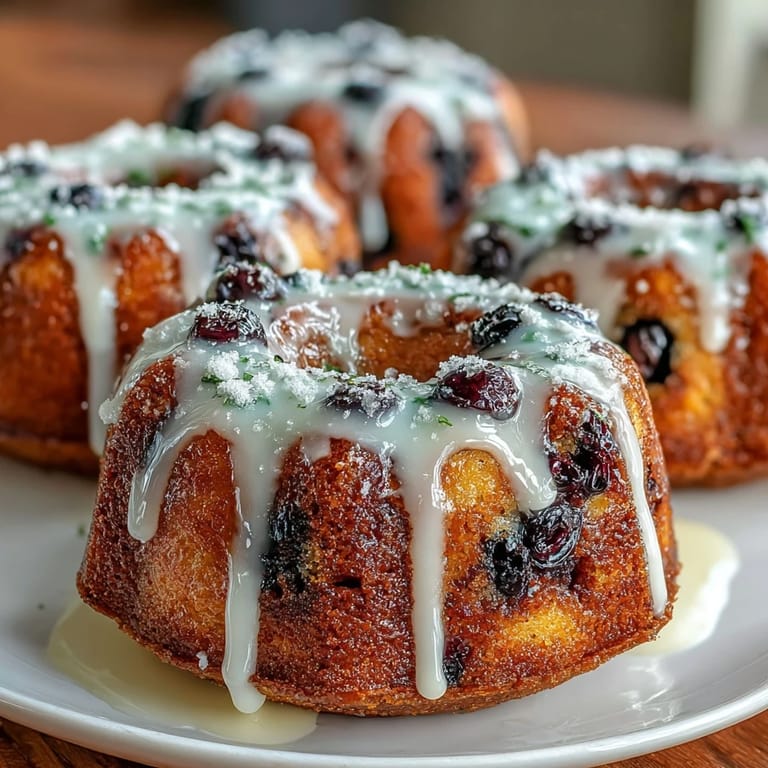
 There's something about the moment when sourdough discard transforms into something beautiful instead of being tossed away. I was standing at my kitchen counter on a quiet Tuesday afternoon, staring at a jar of starter I'd neglected to feed properly, when it hit me—why not bake mini cakes? The tart, complex flavor of sourdough paired with bright lemon and plump blueberries suddenly felt like the most natural thing in the world. These little bundt cakes emerged from that happy accident, and they've been my secret weapon ever since.
My neighbor Caroline stopped by one Saturday with her teenage daughter, and I'd just pulled these out of the oven. The smell alone—lemon and vanilla mingling with that distinctive sourdough tang—made them both pause at the doorway. I hadn't planned to offer them a cake, but watching her daughter's face light up after that first bite, commenting on how different it tasted from regular lemon cake, reminded me why I keep making these.
Ingredients
- All-purpose flour (2 cups): This is your structure, the thing that keeps these cakes tender but stable, so don't sift obsessively or you'll end up with dense results.
- Baking powder and baking soda (1 tsp and 1/2 tsp): The sourdough starter already has some lift, but these two work together to give you that delicate crumb without depending entirely on eggs.
- Salt (1/4 tsp): It sounds minimal, but it's doing serious work—brightening the lemon and smoothing out any flatness in the flavor profile.
- Unsalted butter, softened (1/2 cup): Room temperature is non-negotiable here; cold butter won't cream properly and you'll lose airiness before you even add eggs.
- Granulated sugar (3/4 cup): This amount balances the tartness of the sourdough and lemon without making the cakes cloyingly sweet.
- Eggs, room temperature (2 large): Cold eggs won't incorporate smoothly, and you need that emulsion for a tender crumb and good rise.
- Sourdough starter (1/2 cup): Active, discard, or even a bit sluggish—it all works because you're not relying on it for leavening, just for that irreplaceable tangy depth.
- Whole milk, room temperature (1/2 cup): It keeps the batter from becoming too thick and helps the lemon flavor bloom without drying things out.
- Fresh lemon juice and zest (2 tbsp juice, 1 tbsp zest): The juice gives brightness, the zest gives those little bursts of oil and flavor that make people ask what your secret is.
- Pure vanilla extract (1 tsp): It's there to support, not to dominate—pure extract matters because imitation can muddy the delicate balance here.
- Fresh or frozen blueberries (1 cup): If you're using frozen, don't thaw them or they'll bleed into the batter and turn everything gray; that flour coating is your insurance policy against sinking.
- Powdered sugar and fresh lemon juice for glaze: This simple finish is everything—it adds a little sheen and another layer of lemon brightness that ties the whole thing together.
Tired of Takeout? 🥡
Get 10 meals you can make faster than delivery arrives. Seriously.
One email. No spam. Unsubscribe anytime.
Instructions
- Prepare your pans with intention:
- Grease those mini bundt pans thoroughly—getting into every ridge and crevice—and dust them with flour so your cakes slide out cleanly. I learned this the hard way after watching a beautiful cake stick to the pan and tear on the way out.
- Combine your dry ingredients:
- Whisk the flour, baking powder, baking soda, and salt together in a medium bowl, which distributes the leavening evenly so you don't get pockets of batter that don't rise.
- Cream butter and sugar until it's cloud-like:
- Beat for about three minutes until the mixture is light, pale, and noticeably fluffier—this is where you're building the structure that will hold everything together. Stop and scrape down the sides occasionally so nothing gets left behind clinging to the bowl.
- Add eggs one at a time with patience:
- Each egg should be fully incorporated before the next one goes in, which takes about 30 seconds per egg but makes a difference in how smooth and emulsified your batter becomes.
- Introduce the sourdough, milk, and flavorings:
- Pour in the sourdough starter, milk, lemon juice, zest, and vanilla together and mix until everything is evenly distributed and the batter looks cohesive. The mixture might look slightly curdled at first, but keep going until it smooths out.
- Fold in the dry ingredients gently:
- Add the flour mixture gradually, stirring just until you don't see streaks of flour anymore—overmixing at this point activates gluten and makes your cakes tough and chewy instead of tender.
- Coat and fold in your blueberries:
- Toss the blueberries with that tablespoon of flour first, then fold them in gently at the very end so they're distributed throughout without being crushed.
- Divide batter evenly among the pans:
- Fill each mini bundt about two-thirds full, which gives the batter room to rise without spilling over the top. A small ice cream scoop works beautifully for keeping portions consistent.
- Bake until just done:
- Watch for 22–25 minutes until a toothpick inserted into the center comes out clean with maybe a few moist crumbs clinging to it. Don't overbake or the edges will be dry.
- Cool with respect for the structure:
- Let them rest in the pans for 10 minutes before inverting—they need time to set slightly or they'll fall apart. Then turn them out onto a wire rack and let them cool completely before glazing.
- Make and apply the glaze:
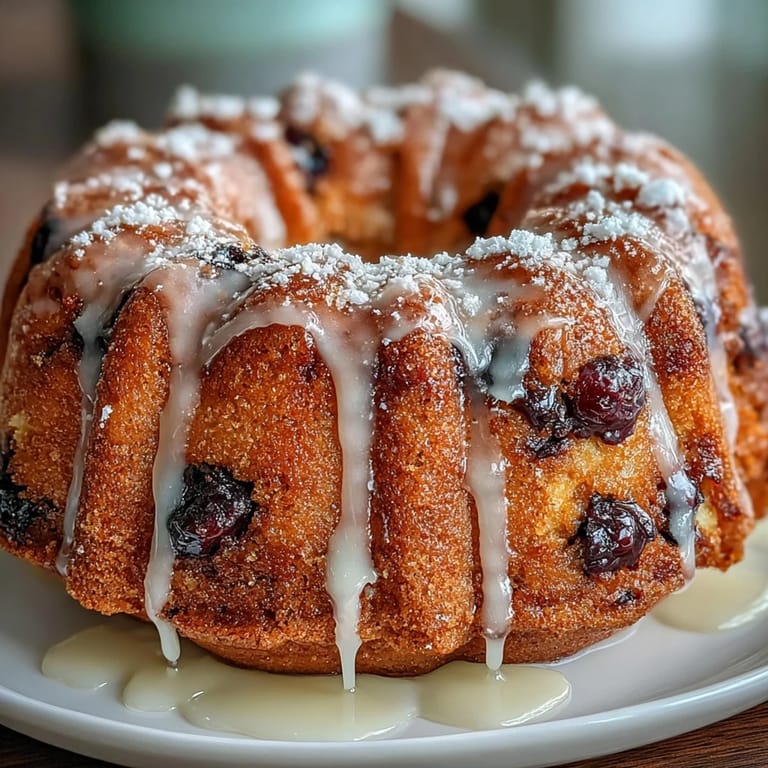
- Whisk the powdered sugar with lemon juice until it's smooth and pourable, then drizzle it over the cooled cakes in whatever pattern feels natural. A fork dipped in the glaze and held over the cake works beautifully for a delicate drizzle.
 Save to Pinterest
 I made these for my sister's book club last spring, and somehow they became the thing everyone talked about for weeks afterward. She told me later that one of the guests asked for the recipe three times, each time approaching me with a different tactic—I finally wrote it out on a card. That moment when food bridges people and becomes something they want to recreate in their own kitchens is why I keep cooking and sharing.
Why Mini Bundts Matter
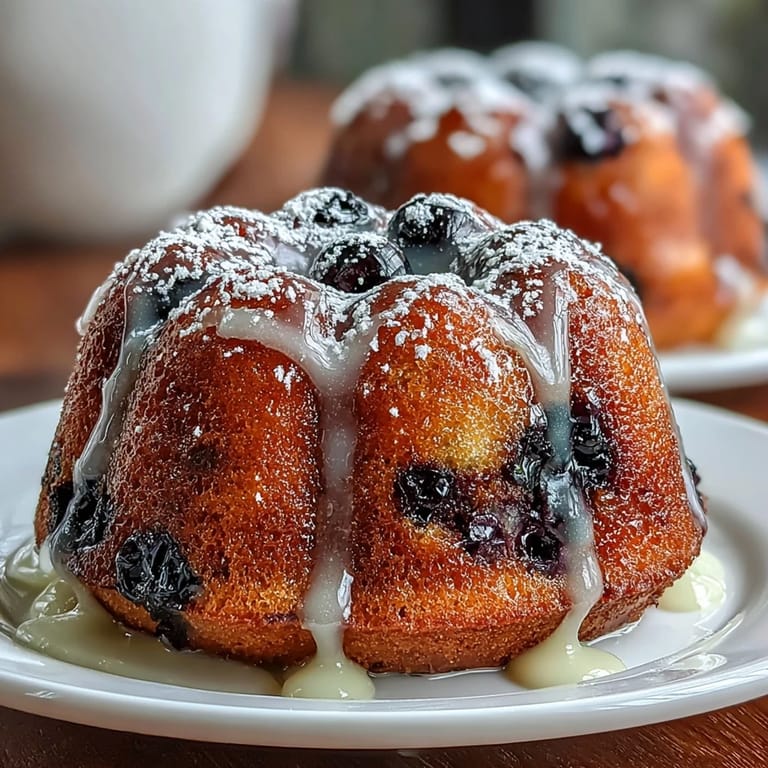
There's an elegance to individual cakes that a single large one just can't match. Each person gets their own little masterpiece, complete with those dramatic ridges and curves that make a simple batter look like you consulted a pastry school textbook. When you're feeding a crowd or bringing something to a gathering, eight perfect mini cakes feel more special and manageable than one large cake that needs slicing and plating at the table.
The Sourdough Secret
Most people think sourdough belongs only in bread, but that funky, complex fermentation is pure magic in tender cake. The starter adds moisture, extends shelf life slightly, and introduces a subtle tang that makes your palate keep coming back for another bite. It's not aggressively sour—it's more like a whisper that reminds you something interesting is happening in every mouthful, and it plays beautifully against the brightness of fresh lemon.
Serving and Storage Wisdom
These cakes are honestly perfect on their own, but a cloud of whipped cream or a small spoon of crème fraîche next to each one elevates them to something you'd serve at a proper tea party. They keep beautifully for three days in an airtight container at room temperature, which means you can bake them the day before and glaze them just before serving. They also freeze reasonably well for up to two weeks before glazing, which is excellent when you want to batch them ahead of time.
- Pair them with Earl Grey tea or sparkling Moscato to echo the lemon flavor and feel intentional about the pairing.
- If you're taking them somewhere, glaze them just before you go or wait until you arrive so the glaze stays pristine and doesn't get tacky during transport.
- These are genuinely better at room temperature than cold from the fridge, so pull them out about 30 minutes before serving if you've stored them in the cold.
 Save to Pinterest
 These little cakes came into my life as a solution to sourdough discard, but they've stayed because they bridge the gap between everyday baking and something elegant enough to feel celebratory. Make them for people you care about, and watch what happens.
Recipe Questions & Answers
- → What is the purpose of sourdough starter in these cakes?
The sourdough starter adds subtle tanginess and depth, enhancing flavor while contributing to a moist, tender crumb.
- → How can I prevent blueberries from sinking during baking?
Tossing blueberries with a tablespoon of flour before folding them into the batter helps keep them evenly suspended throughout the cakes.
- → Can I substitute the sourdough starter with another ingredient?
Yes, plain Greek yogurt can be used instead, providing moisture and slight tang while maintaining texture.
- → What baking tools are recommended for best results?
Use mini bundt cake pans for the classic shape, along with an electric mixer, mixing bowls, and a wire rack for cooling.
- → How should I store the mini bundt cakes to keep them fresh?
Store cakes in an airtight container at room temperature for up to two days, or refrigerate for longer freshness, bringing to room temp before serving.
- → What drinks pair well with these lemon blueberry cakes?
Sparking Moscato or Earl Grey tea complement the bright citrus and berry flavors beautifully.