 Save to Pinterest
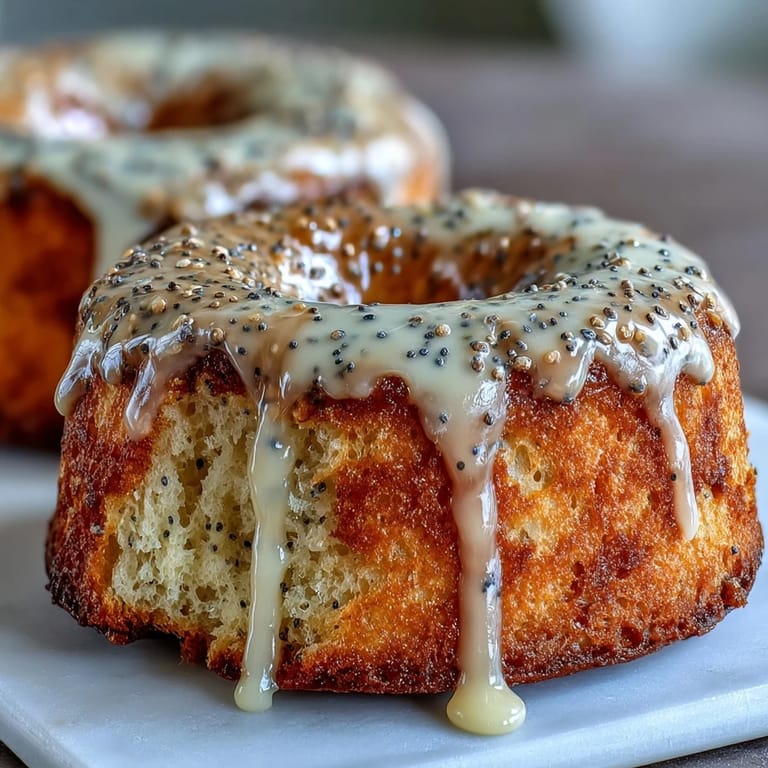
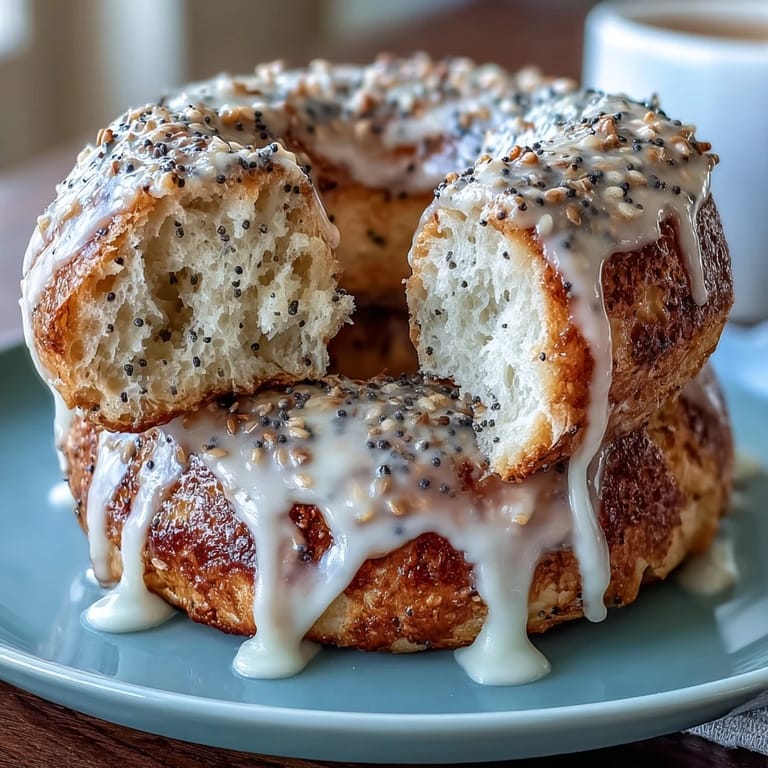
 Last summer, I was standing in my kitchen watching my friend Sarah measure out protein powder like she was mixing a science experiment, and she turned to me with this slightly desperate look asking if we could make bagels that didn't taste like chalk. That conversation led me down a rabbit hole of testing, tweaking, and honestly, several batches that belonged in the trash. But then something clicked: combining Greek yogurt with bright lemon zest and poppy seeds created bagels that were fluffy, flavorful, and actually packed with protein without any of that weird aftertaste. These have become my go-to whenever I want breakfast to feel both indulgent and intentional.
I made these for a Sunday brunch gathering and watched my neighbor literally close her eyes on the first bite—she assumed they were from a bakery and couldn't believe I'd boiled them at home. That moment reminded me that homemade doesn't have to mean complicated, and sometimes the simplest pleasures come from actually taking the time to do things right instead of cutting corners.
Ingredients
- Bread flour (2 cups): This gives your bagels structure and that chewy interior you actually want; all-purpose flour gets a bit too tender.
- Vanilla or unflavored whey protein powder (1 cup): The backbone of the protein content, and vanilla adds subtle sweetness without overpowering the lemon.
- Poppy seeds (2 tbsp): Not just for topping—these are mixed into the dough for texture and that classic flavor people expect.
- Baking powder (1 tbsp): Helps lift the bagels slightly so they're fluffy rather than dense.
- Fine sea salt (1/2 tsp): Balances sweetness and makes the lemon sing.
- Granulated sugar (1/4 cup): Feeds the yeast-free dough and adds subtle sweetness.
- Lemon zest from 2 lemons: This is where the magic happens—zest gives you bright flavor without adding liquid and throwing off your dough ratio.
- Plain Greek yogurt (1 cup): Your secret weapon for moisture and tang; low-fat or non-fat works perfectly.
- Large egg (1 for dough): Binds everything and adds richness to the crumb.
- Lemon juice (1 tbsp): Fresh is non-negotiable here; bottled tastes different and the dough will know.
- Unsalted butter, melted (2 tbsp): Adds tenderness without interfering with the lemon flavor.
- Water and honey for boiling (2 quarts water, 1 tbsp honey): Honey slightly sweetens and helps create that glossy exterior.
- Egg wash (1 egg beaten with water): Creates the golden-brown shine everyone expects from a real bagel.
- Powdered sugar (3/4 cup), fresh lemon juice (2 tbsp), and lemon zest (1 tsp) for glaze: This finish is tangy and light, not heavy or cloyingly sweet.
Tired of Takeout? 🥡
Get 10 meals you can make faster than delivery arrives. Seriously.
One email. No spam. Unsubscribe anytime.
Instructions
- Heat and prep your station:
- Set your oven to 375°F and line a baking sheet with parchment paper—you want everything ready so you're not scrambling once your dough comes together. This small step keeps you calm and focused.
- Build your dry mixture:
- Whisk together the bread flour, protein powder, poppy seeds, baking powder, salt, sugar, and lemon zest in a large bowl until everything is evenly distributed. You'll notice flecks of bright yellow throughout, which is exactly what you want.
- Combine the wet ingredients:
- In another bowl, stir Greek yogurt, one egg, lemon juice, and melted butter until completely smooth with no yogurt lumps hiding anywhere. This should look creamy and pourable.
- Bring wet and dry together:
- Pour the wet mixture into the dry mixture and start stirring with a wooden spoon until you can't make progress anymore. Then switch to hand-kneading for 2 to 4 minutes until you have a soft, slightly tacky dough that holds together but isn't sticky enough to stick to your hands.
- Adjust if needed:
- If your dough feels more like wet sand and won't hold together, add a tablespoon of Greek yogurt and mix again. If it's sticking so much you can't handle it, sprinkle in just a bit more flour and knead gently.
- Shape your bagels:
- Divide the dough into 8 equal portions by eyeballing it—they don't have to be perfect. Roll each piece into a ball, then use your thumb to poke a hole in the center and gently stretch it into a bagel shape with about a 2-inch hole.
- Let them rest:
- Place your shaped bagels on the prepared baking sheet, cover loosely with a clean kitchen towel, and let them sit for 15 minutes—this helps them hold their shape and gets them ready for boiling. You'll notice they puff up slightly, which is the sign they're ready.
- Bring water and honey to a gentle boil:
- While bagels rest, fill a large pot with 2 quarts of water, add 1 tablespoon of honey, and bring it to a gentle rolling boil. The honey is subtle but adds a slight sweetness to the outside.
- Boil in batches:
- Once at a simmer, carefully place one bagel at a time into the water and let it float for 30 seconds on the first side, then flip and cook 30 seconds on the other side. You're not cooking them through; you're creating that signature chewy bagel exterior.
- Return to the pan:
- Use a slotted spoon to remove each boiled bagel, let excess water drip off for a moment, then place it back on the baking sheet. If water pools on your sheet, gently tilt and dab with paper towels so they don't stick.
- Apply the golden finish:
- Brush each bagel with egg wash—this creates that beautiful golden-brown shine and helps any toppings stick if you want to add them. Use a pastry brush or even a clean small brush to coat evenly.
- Bake until golden:
- Bake for 18 to 22 minutes until the bagels are deep golden brown and sound slightly hollow when you tap them with a wooden spoon. The exact time depends on your oven, so start checking around 18 minutes.
- Cool before glazing:
- Transfer bagels to a cooling rack and let them cool completely—this takes about 15 minutes and is worth the wait because a warm bagel won't hold glaze properly. You'll hear them crackle slightly as they cool, which means they're setting up perfectly.
- Make and apply the glaze:
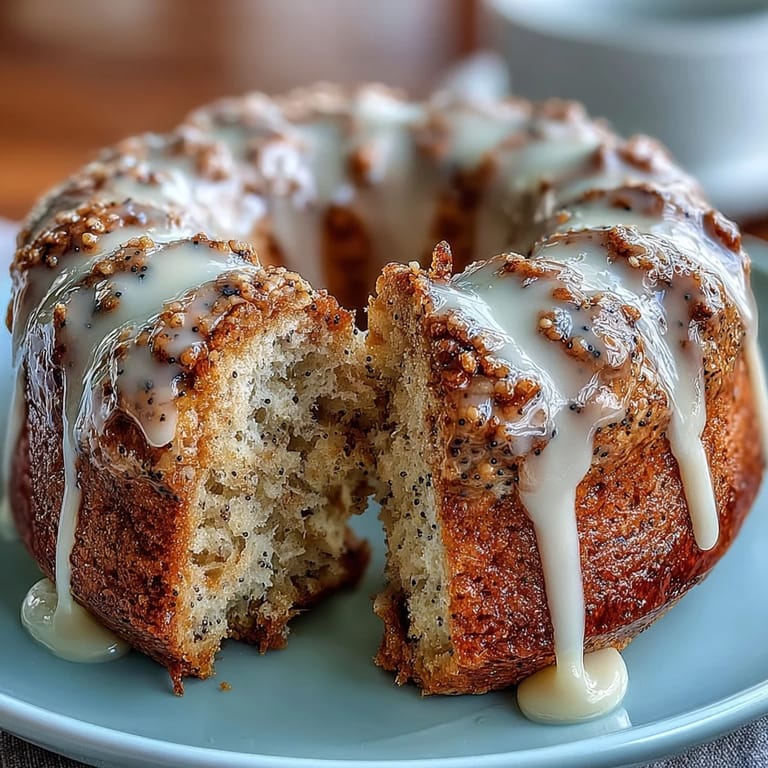
- Whisk powdered sugar, fresh lemon juice, and lemon zest together until you have a pourable but thick glaze that coats a spoon. Drizzle over the cooled bagels and let it set for 10 minutes before serving so it firms up slightly.
 Save to Pinterest
 I remember my daughter asking why these bagels were different, and I realized she'd only ever had store-bought ones that taste vaguely lemony and oddly dense. Watching her understand that homemade food can be better—not harder, just better—felt like winning something important in the kitchen.
The Protein Powder Secret
Most protein bagels I've tried taste like someone forgot they were making bagels and just made a protein bar instead, which is the opposite of what you want. The trick here is that vanilla protein powder adds sweetness while keeping things subtle, and because it's mixed directly into the dough instead of being an afterthought, it actually becomes part of the flavor story instead of fighting against it. The Greek yogurt does most of the heavy lifting for moisture, so the protein powder doesn't dry things out the way it can in baked goods.
Why the Boiling Actually Matters
The boiling step is where bagels become fundamentally different from regular bread, and it's the thing people always want to skip because it feels fussy. When you boil the bagels for those 60 seconds total, the outside sets up in a specific way that creates a chewy exterior while the inside stays fluffy—you literally cannot get that texture by just baking. The honey in the water adds the tiniest bit of sweetness to the crust, and it's barely detectable but somehow makes the whole thing taste more bakery-quality.
Making Them Your Own
These bagels are bright and lemony as written, but they're also flexible enough that you can play around without breaking them. Once you've made them once and understand how the dough should feel and behave, you have a foundation to build on instead of just following orders.
- If you want extra lemon intensity, add a few drops of lemon extract to the dough or swirl it into the glaze.
- Cream cheese or almond butter spread on a lightly toasted bagel transforms them into an actual complete meal.
- They keep fresh in an airtight container for three days, or you can freeze them for up to two months and toast them from frozen.
 Save to Pinterest
 These bagels prove that you don't need complicated techniques or hard-to-find ingredients to make something that feels special and tastes intentional. Make a batch on a weekend and you'll understand why they became my answer to that question my friend asked months ago.
Recipe Questions & Answers
- → What gives these bagels their fluffy texture?
The combination of bread flour, protein powder, and Greek yogurt creates a tender and fluffy crumb in the bagels.
- → How do the lemon zest and glaze enhance the flavor?
Lemon zest infuses bright citrus notes into the dough, while the light lemon glaze adds a tangy sweetness to complement the bagels.
- → Why are the bagels boiled before baking?
Boiling the bagels briefly helps form a chewy crust and gives them their traditional texture before baking.
- → Can the protein powder be substituted?
Yes, you can use vanilla or unflavored whey protein powder, and alternatives may be used but check for any allergen considerations.
- → How should I store leftover bagels?
Keep bagels fresh in an airtight container for up to three days or freeze them for up to two months.
- → Is there a way to make these gluten-free?
This version uses bread flour, but you could explore gluten-free flour blends; however, texture and rise may be affected.