 Save to Pinterest
 The first time I built a scythe platter, I wasn't thinking about impressing anyone—I was scrambling. A friend texted asking if I could bring something to a last-minute harvest gathering, and I had maybe an hour to figure it out. I pulled open the pantry and fridge, grabbed what felt right, and arranged everything in this sweeping curve on an old wooden board. When I arrived, people didn't just eat it—they hovered around it, photographing the shape, breaking bread, plucking grapes mid-conversation. That's when I realized this platter wasn't about perfection; it was about abundance arranged with intention.
I made this for my neighbor's birthday picnic on a Saturday when the air smelled like just-cut grass. She'd mentioned wanting something "rustic and easy," and I remembered how her kitchen garden had overflowed with fruit that season. Watching her face light up when she saw the platter arranged like a field—that's the moment I understood why simple food arranged with care can mean more than anything complicated.
Ingredients
- Baguette, sliced: The crisp exterior gives way to chewy interior, creating the perfect vehicle for everything else; I slice it at an angle for elegance without trying too hard.
- Multi-grain crackers: They add visual texture and provide a sturdy base for cheese or spreads without competing for attention.
- Seeded rye bread, thinly sliced: The dense, earthy flavor grounds the platter and pairs beautifully with aged cheese.
- Cooked farro or barley: These grains soften the board's center and add a subtle nuttiness that ties everything together.
- Seedless red grapes: Their jewel-like color clusters naturally draw the eye and burst with sweetness.
- Sliced pears and apples: The slight tartness and crisp texture balance richer elements like cheese and nuts.
- Dried apricots: Chewy and concentrated, they remind people that fruit doesn't need to be fresh to shine.
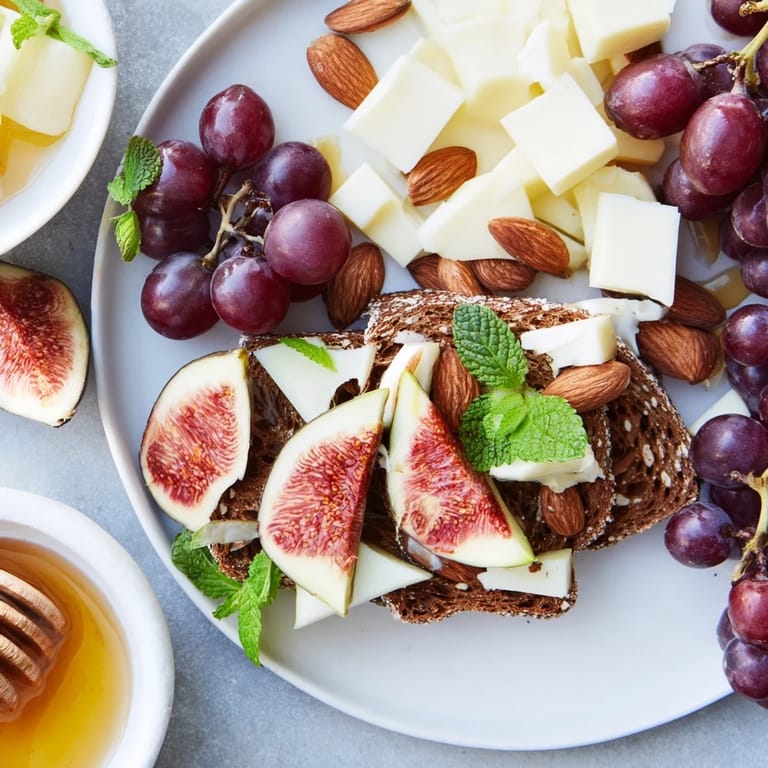
- Fresh figs: If you can find them, they're worth it—split them open so people see that gorgeous pink interior.
- Brie and aged cheddar: Brie melts into everything nearby; cheddar brings sharpness that cuts through sweetness and richness.
- Honey or fig jam: A drizzle transforms bread into something more luxurious than it has any right to be.
- Fresh mint and roasted nuts: These final touches add aroma and crunch, making each bite feel deliberate.
Tired of Takeout? 🥡
Get 10 meals you can make faster than delivery arrives. Seriously.
One email. No spam. Unsubscribe anytime.
Instructions
- Set your stage:
- Start with a wooden board or large platter—something with character, not a glass rectangle. You're building a landscape, so you need a surface that feels like earth.
- Carve the scythe:
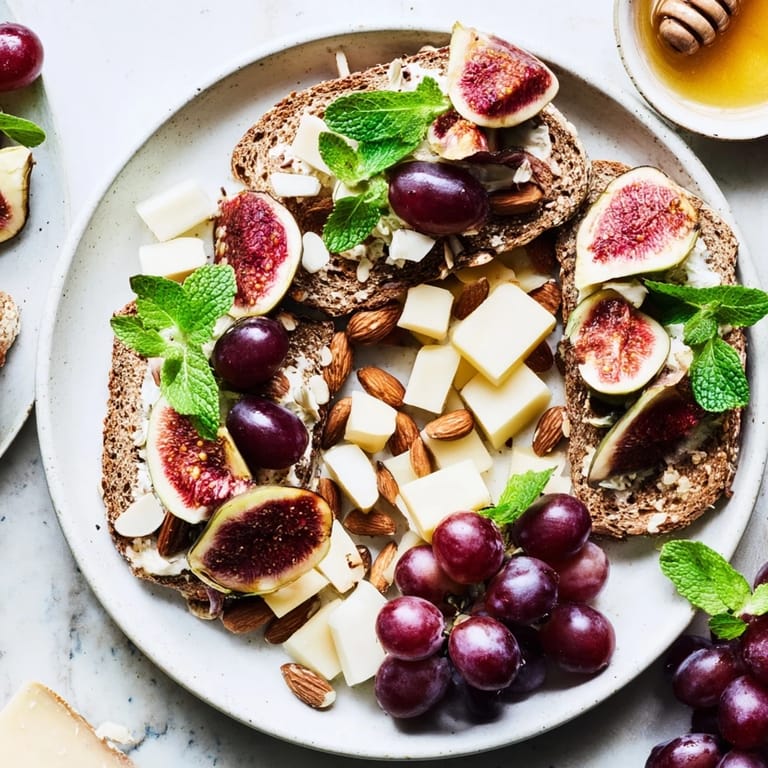
- Arrange your sliced breads in one sweeping curved line, letting them overlap slightly like you're recreating the path of a blade through grain. Don't overthink it; asymmetry looks more natural.
- Fill the field:
- Spread the cooked grains along the inside of your bread curve in a thin, loose layer. They should look like they naturally settled there, not like you measured them out.
- Dance the fruits:
- Now comes the fun part—fan your fruit slices between and alongside the breads, letting colors play against each other. Red grapes next to pale pear slices, golden apricots tucked into corners. Think about how it catches light.
- Nest the cheese:
- Place small clusters of brie and cheddar cubes near the breads in spots that feel generous but not crowded. They're anchors, not decoration.
- Add sweetness and shine:
- Place small bowls of honey or jam where people naturally reach—near the cheeses, at the platter's edges. They'll figure out how to use them.
- Finish with intention:
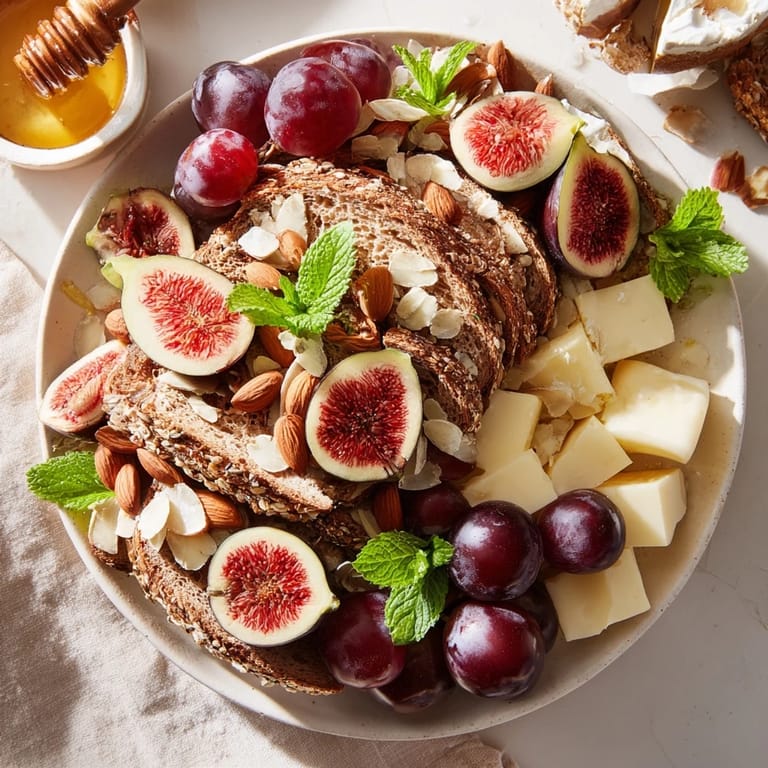
- Scatter roasted nuts across the top like you're blessing the whole thing, then tuck fresh mint leaves into gaps. Step back and look—if it feels alive, you're done.
- Serve while everything still holds its shape:
- The bread stays crispest in the first hour, and the fruit looks brightest before it starts to weep. Don't wait too long to share it.
 Save to Pinterest
 There's something about watching people gather around this platter that makes me remember why I cook at all. It's not about technique or following rules perfectly—it's about creating space where people feel welcome to eat, talk, and linger a little longer.
The Art of Arrangement
The scythe shape isn't just pretty—it's practical. The curve naturally guides people from bread to grain to fruit to cheese, almost like your hand knows where to go next. When you arrange food with intentionality, people sense that care and slow down to appreciate it. I've learned that the most impressive platters are the ones that look effortless, which means you have to think about them more, not less.
Seasonal Swaps and Variations
This platter is endlessly flexible, which is why I keep coming back to it. In summer, add sliced stone fruits like plums or apricots alongside the dried ones, or layer in fresh berries at the last moment. In fall, lean into dried fruits and nuts, maybe add some roasted seeds for texture. Winter is your moment for pomegranate arils and citrus slices. The structure stays the same—it's the details that shift with what's ripe and available around you.
Pairing and Serving Suggestions
I've served this platter alongside everything from afternoon tea to pre-dinner appetizers to late-night wine gatherings, and it works every time because it doesn't demand anything from you except an appetite. Pair it with something crisp and light—a sparkling wine, a pale ale, or just sparkling water with fresh lemon. The beauty is that the food speaks for itself, so your beverage can stay out of the way and just enhance. If you're feeding a crowd, one platter feeds about six generously, but honestly, people tend to graze over time, so scale up if your guests linger.
- Wine pairing: crisp whites or light sparkling beverages balance the fruit's sweetness and bread's richness.
- Make it heartier by adding cured meats or a small wedge of blue cheese if your crowd prefers savory anchors.
- If you're serving this as the main event, trust that the combination of grains, cheese, and fruit is more sustaining than it looks.
 Save to Pinterest
 This platter taught me that food doesn't need to be complicated to feel special. Sometimes the most memorable meals are the ones built from simple ingredients arranged with a little thought and a lot of generosity.
Recipe Questions & Answers
- → What breads work best for this platter?
Use a mix of textures like sliced baguette, multi-grain crackers, and seeded rye bread to add variety and complement fruits and cheeses.
- → Can I make this dairy-free?
Yes, omit cheeses or substitute with plant-based alternatives to keep it fully plant-based and suitable for dairy-free diets.
- → How should I arrange the grains and fruits?
Spread cooked grains in a thin layer along the inner curve, then fan fruits between breads to create a natural flow reflecting the harvest theme.
- → What garnishes enhance flavor and texture?
Fresh mint leaves and roasted nuts like almonds or walnuts add fresh aroma and satisfying crunch to the platter.
- → Are there suggestions for beverage pairings?
A crisp white wine or a light sparkling beverage pairs well, balancing the platter’s fresh and rich components elegantly.