 Save to Pinterest
 My roommate burst through the door carrying a block of halloumi like she'd discovered gold. We'd just returned from a weekend in Cyprus where we ate this cheese at every meal grilled, fried, sometimes even raw. The memory of that salty squeak against our teeth had haunted us since the flight home. That night, we experimented until we found the perfect crunch.
My friend's annual summer party was in full swing when I emerged from the kitchen with the first batch. The room went quiet as that unmistakable sizzling-cheese scent wafted through the air. Suddenly everyone was crowding the counter, grabbing at the golden pieces before I could even transfer them to the serving platter. Now I make double batches just to survive the first ten minutes.
Ingredients
- 250 g halloumi cheese: This Cypriot cheese holds its shape beautifully when heated and its natural saltiness means no added salt is needed, but patting it dry before coating ensures the breadcrumbs actually stick.
- 60 g (about 1 cup) panko breadcrumbs: Japanese-style breadcrumbs create that shatteringly crisp exterior that regular breadcrumbs just cant achieve, and they absorb less oil for a lighter result.
- 40 g (about 1/3 cup) all-purpose flour: This first coating layer helps the egg adhere, creating a three-part breading station that stays put during frying.
- 2 large eggs: Beaten until slightly frothy, these act as the glue between flour and panko, forming the crucial middle layer of the coating trio.
- 1/2 tsp freshly ground black pepper: Adds warmth and complexity that balances the halloumis natural saltiness, creating a more sophisticated flavor profile.
- 1/2 tsp smoked paprika (optional): I always include this because it adds a subtle smoky depth that pairs beautifully with the lemon and enhances that golden color even more.
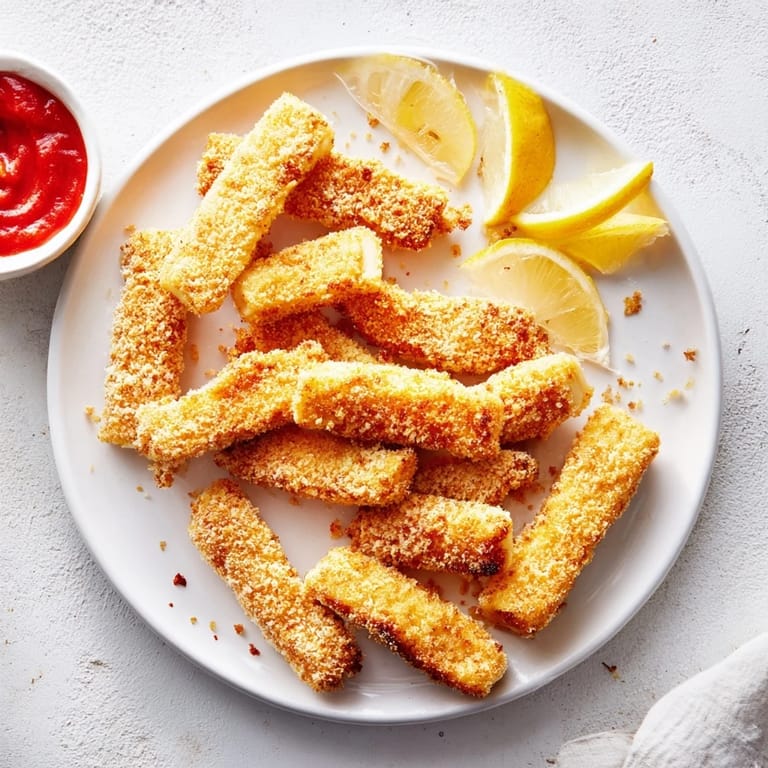
- 1 large lemon, cut into wedges: The acid cuts through the rich fried cheese, and squeezing fresh lemon over each piece transforms the dish completely.
- Hot sauce of choice: A spicy counterpoint to the salty cheese, though garlic aioli works beautifully if you prefer something creamy and milder.
- 250 ml (1 cup) neutral oil: Sunflower or canola oil has a high smoke point and neutral flavor that lets the halloumi shine without competing flavors.
Tired of Takeout? 🥡
Get 10 meals you can make faster than delivery arrives. Seriously.
One email. No spam. Unsubscribe anytime.
Instructions
- Prep the Halloumi:
- Pat the cheese thoroughly dry with paper towels, then slice into 1 cm thick batons or rectangles, cutting consistently so pieces cook evenly.
- Set Up Your Coating Station:
- Arrange three shallow dishes in assembly line fashion: flour mixed with pepper and paprika first, beaten eggs second, and panko breadcrumbs third.
- Coat Each Piece:
- Dredge halloumi in flour, dip thoroughly in egg letting excess drip off, then press into panko until completely coated on all sides.
- Heat the Oil:
- Pour oil into a large frying pan and heat over medium-high until shimmering but not smoking, testing with a breadcrumb to ensure it sizzles immediately.
- Fry Until Golden:
- Cook halloumi in batches without overcrowding, frying 2 to 3 minutes per side until deep golden brown and crispy all over.
- Drain and Serve:
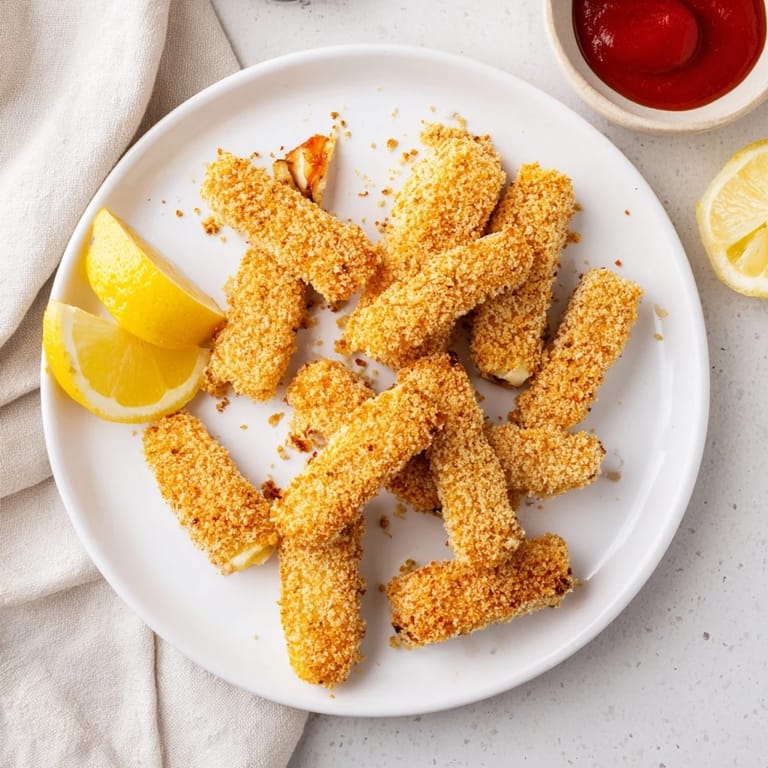
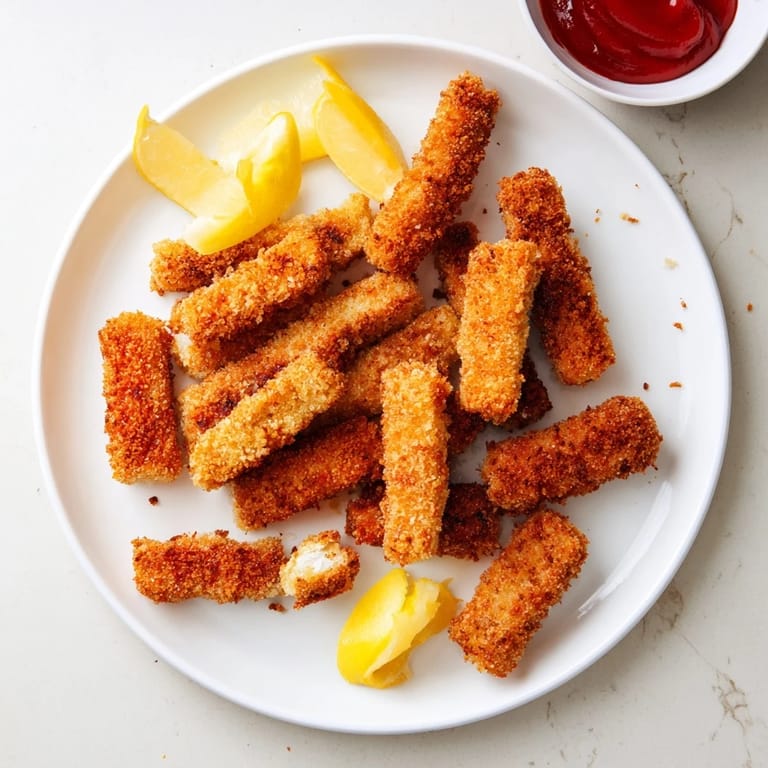
- Transfer to paper towels to drain briefly, then serve immediately while hot with lemon wedges and hot sauce alongside.
 Save to Pinterest
 My daughter now requests this for every family gathering, and honestly, I don't mind one bit. Watching three generations standing around the stove, sneaking pieces as they come out of the pan, has become its own kind of tradition. Some recipes feed you, but this one brings people together.
Make-Ahead Magic
You can bread all the halloumi pieces up to two hours ahead, arranging them on a parchment-lined baking sheet in the fridge. The coating sets up nicely during this chilling time, which actually helps the crumbs adhere even better during frying. Just let them sit at room temperature for 15 minutes before cooking to prevent cold spots in the oil.
Oil Temperature Secrets
I've learned that the perfect frying temperature is around 375°F, or when a small piece of panko dropped in the oil sizzles actively but doesn't burn immediately. Too cool and the coating absorbs excess oil, too hot and the outside burns before the cheese warms through. An instant-read thermometer takes all the guesswork out of this crucial step.
Serving Ideas
Beyond the classic lemon and hot sauce, try serving these with honey for a sweet-salty combination that's absolutely addictive. A tzatziki sauce or garlic yogurt dip also works beautifully if you want to cool things down. They're perfect alongside a Greek salad or as part of a larger mezze spread with olives, hummus, and warm pita.
- Try adding dried oregano or za'atar to the panko for an herby variation
- Serve immediately because halloumi loses its appealing texture as it cools
- Keep finished pieces warm in a 200°F oven while frying remaining batches
 Save to Pinterest
 There's something deeply satisfying about transforming a simple block of cheese into something that makes people's eyes light up. I hope this recipe brings as much joy to your table as it has to mine over the years.
Recipe Questions & Answers
- → Can I bake panko halloumi instead of frying?
Yes, though the texture will differ. Arrange coated pieces on a baking sheet lined with parchment, spray generously with oil, and bake at 200°C (400°F) for 15-20 minutes, flipping halfway. The result remains tasty but lacks the deep golden crunch achieved through shallow frying.
- → How do I store and reheat leftover halloumi?
Store cooled pieces in an airtight container in the refrigerator for up to 2 days. Reheat in a 180°C (350°F) oven for 8-10 minutes to restore crispness. Avoid microwaving, as this creates a soggy texture. For best results, enjoy immediately after preparation.
- → What can I use instead of panko breadcrumbs?
Regular breadcrumbs work but produce a denser coating. Crushed cornflakes offer excellent crunch and lighter texture. For a gluten-free version, use almond flour mixed with nutritional yeast, though adherence may require an extra egg wash dip.
- → Why is my halloumi tough instead of soft?
Overcooking causes halloumi to become rubbery and tough. The frying time of 2-3 minutes per side is optimal—just enough to brown the coating while keeping the cheese interior at that signature slightly squeaky, tender texture. Remove immediately once golden brown.
- → Can I prepare the coating ahead of time?
You can slice and prep the coating ingredients up to 4 hours in advance, but coat the halloumi just before cooking. The salt content in halloumi draws moisture out, making the coating soggy if left too long. Keep everything refrigerated until ready to fry.