 Save to Pinterest
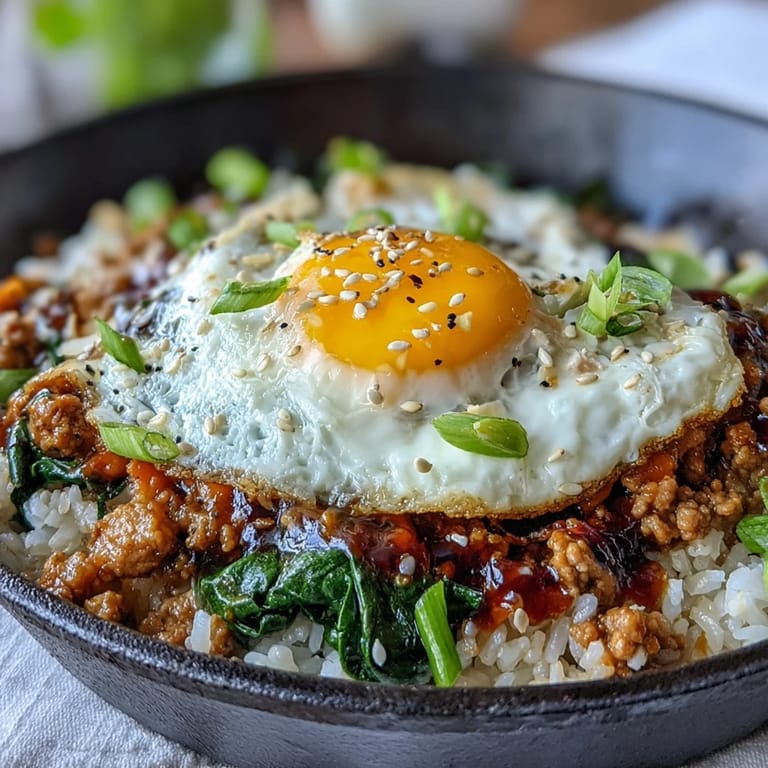
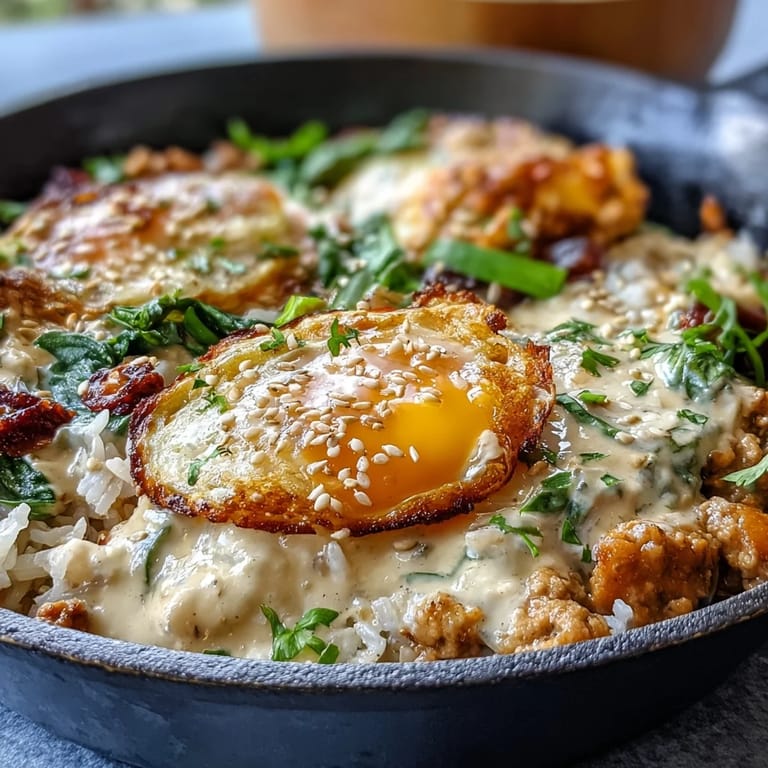
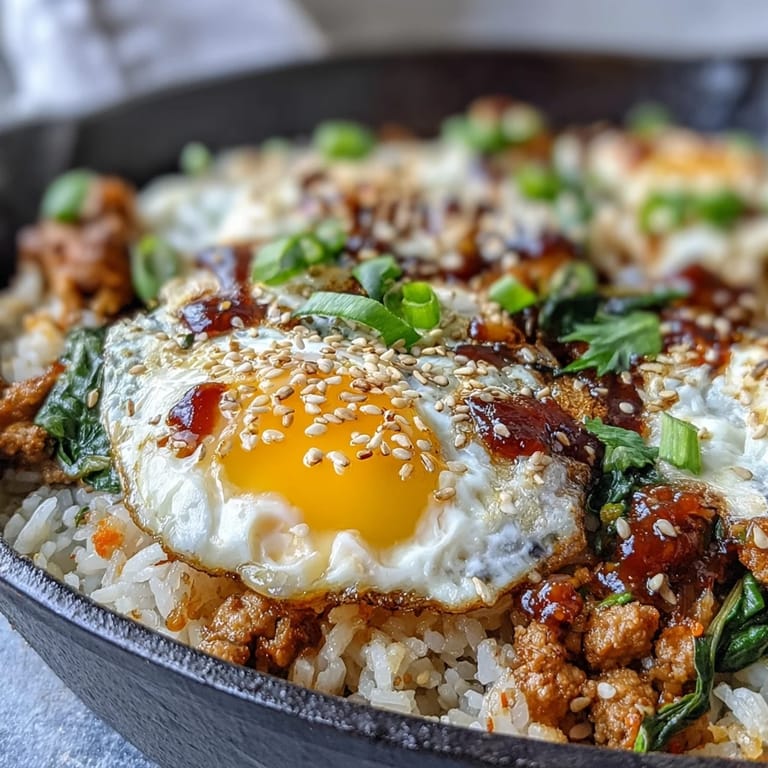
 A few years back, I was standing in my kitchen on a Tuesday night with nothing in the fridge except ground turkey, leftover rice, and a jar of gochujang I'd been meaning to use. My partner was hungry, I was tired, and something told me to just throw it all together with a soft egg on top. Twenty-five minutes later, we were both leaning over steaming bowls, that jammy yolk breaking into the creamy sauce, and suddenly a random weeknight felt special. This dish has become my go-to when I need comfort food that doesn't require a lot of fuss.
I made this for my sister when she was visiting and mentioned she'd been eating the same salad for three weeks straight. She took one bite and looked at me like I'd just personally solved her life problems. Now she texts me pictures of her own versions with different vegetables, and it's become our thing to compare notes on how much gochujang is too much gochujang.
Ingredients
- Ground turkey: Lean and mild, it acts like a canvas for the bold Korean flavors without overpowering them; don't skip browning it fully or you'll lose that caramelized depth.
- Gochujang: This fermented chili paste is non-negotiable if you want that authentic Korean backbone, but start with slightly less if heat isn't your thing.
- Fresh ginger and garlic: Minced small means they'll dissolve into the sauce rather than chunk up; this makes a real difference in texture.
- Sesame oil: Use toasted for that nutty richness, and add it at the end for sautéing since high heat destroys its flavor.
- Heavy cream or coconut cream: This is what transforms the sauce from spicy to spicy-and-luxurious; don't skip it even if you're dairy-free, coconut cream does the job beautifully.
- Day-old rice: Fresh rice absorbs too much liquid and becomes mushy; cold rice from yesterday stays fluffy and separate.
- Jammy eggs: Seven minutes gets you that runny center; timing matters, so use a timer and don't eyeball it.
Tired of Takeout? 🥡
Get 10 meals you can make faster than delivery arrives. Seriously.
One email. No spam. Unsubscribe anytime.
Instructions
- Start with the aromatics:
- Heat that sesame oil until it shimmers and smells incredible, then add onion, garlic, and ginger together. You'll know they're ready when the kitchen smells like a Korean restaurant and everything looks translucent and soft, about two to three minutes.
- Brown the turkey properly:
- Don't rush this step or stir constantly; let the meat hit the hot pan and caramelize for a minute or two before breaking it up with your spatula. You're building flavor here, not just cooking through.
- Layer in the vegetables:
- Carrots go in next because they need a couple minutes to soften slightly; spinach waits until later because it wilts in seconds and turns an unappetizing color if overcooked.
- Make the sauce:
- Whisk gochujang with soy sauce, honey, vinegar, and broth in a separate bowl first so there are no lumps of chili paste hiding in your dish. Pour it in and stir everything to coat, letting the sauce bubble slightly to deepen the flavors.
- Bring in the cream and rice:
- This is where it transforms into something silky; stir gently so the rice doesn't break apart, and simmer just long enough to heat everything through without drying it out.
- Cook the eggs simultaneously:
- Bring water to a boil in a separate pot, gently lower in your eggs, and set a timer for exactly seven minutes. When time's up, shock them in ice water immediately so the cooking stops and you get that perfect runny yolk.
 Save to Pinterest
  Save to Pinterest
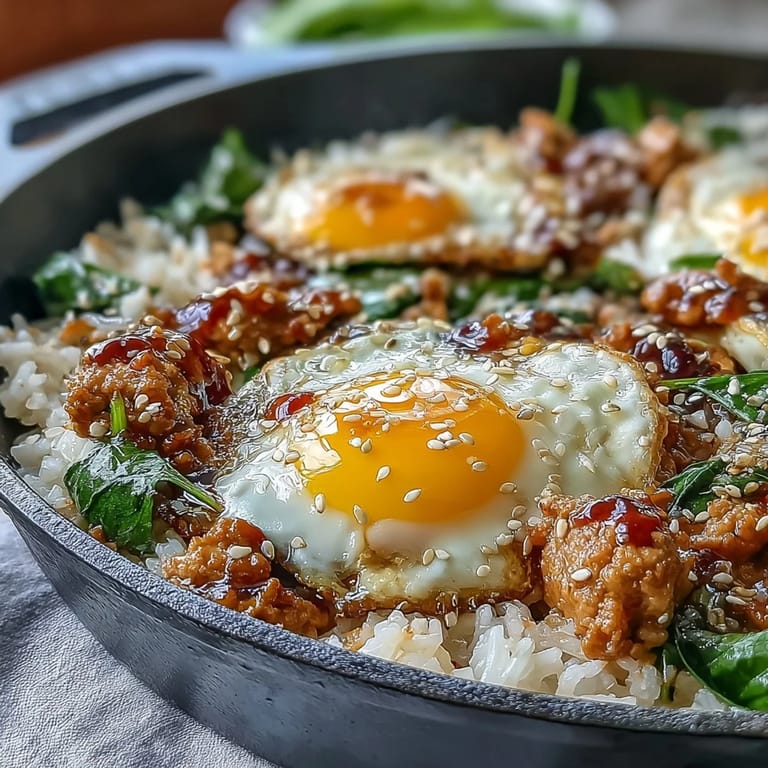
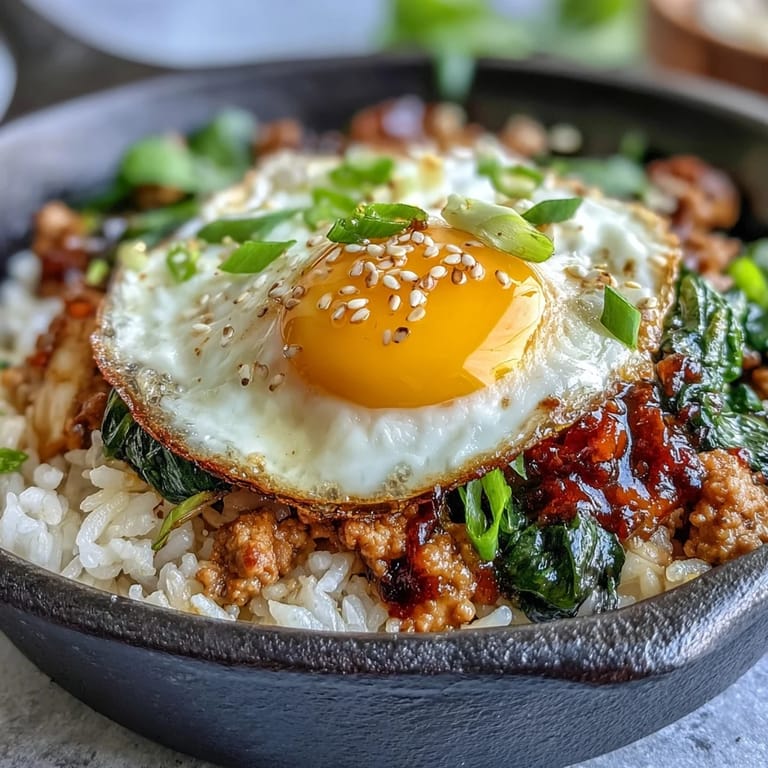
 There's something about cracking open that jammy egg and watching the yolk ooze into the creamy sauce that makes even a Tuesday feel like a celebration. My neighbor smelled it cooking one evening, and now she shows up on my stoop asking if I'm making the turkey skillet again because apparently it smells like good decisions.
Why This Becomes a Regular Rotation
Once you realize you can have this entire meal on the table in less time than ordering takeout, it stops being a special occasion dish and becomes your secret weapon for nights when you have zero energy but still want something that tastes like you tried. The best part is it tastes even better the next day when the flavors have had time to meld together, so making extra isn't a mistake, it's planning ahead.
Playing with Heat and Flavor
Gochujang is spicy but also sweet, and that balance is what makes this dish work rather than just burn. If you're heat-sensitive, use less and taste as you go; if you want it to set your mouth on fire, add extra gochujang or a pinch of cayenne at the end. The honey isn't there to make it sweet, it's there to round out the chili paste's edges and add depth.
Customizing Without Losing the Soul
I've made this with ground chicken when turkey wasn't on sale, with pork when I was feeling fancy, and even with crumbled tofu for a friend who doesn't eat meat. The sauce is what makes it, so as long as you have that gochujang-soy-cream situation going on, you're golden. Vegetables are flexible too; I've used mushrooms, bell peppers, green beans, broccoli, whatever was in the crisper drawer looking at me hopefully.
- Kimchi on the side adds a funky, fermented brightness that cuts through the richness of the cream.
- A squeeze of lime juice right before serving lifts everything and makes it taste fresher somehow.
- If you're making this dairy-free, coconut cream works perfectly and actually adds a subtle sweetness that's kind of wonderful.
 Save to Pinterest
  Save to Pinterest
 This is the kind of dish that reminds you why you cook in the first place. It's humble enough for a random Tuesday but delicious enough that you'll want to make it again next week.
Recipe Questions & Answers
- → Can I make this dish dairy-free?
Yes, simply substitute the heavy cream with full-fat coconut cream or omit the cream entirely. The sauce will still be flavorful and slightly creamy from the starch in the rice.
- → What type of rice works best?
Day-old white rice works best as it holds its texture better during cooking. Fresh rice can become too soft and mushy. Brown rice is also a great option for added nutrition.
- → How do I get perfect jammy eggs?
Simmer large eggs in gently boiling water for exactly 7 minutes, then immediately transfer to an ice bath to stop cooking. This yields creamy, runny yolks with set whites.
- → Can I adjust the spice level?
Absolutely. Reduce the gochujang to 1 tablespoon for milder heat, or increase to 3 tablespoons for more spice. You can also add a teaspoon of gochugaru (Korean chili flakes) for extra kick.
- → Can I substitute the ground turkey?
Ground chicken, pork, or beef all work well in this dish. Adjust cooking time slightly depending on the fat content of your chosen protein.